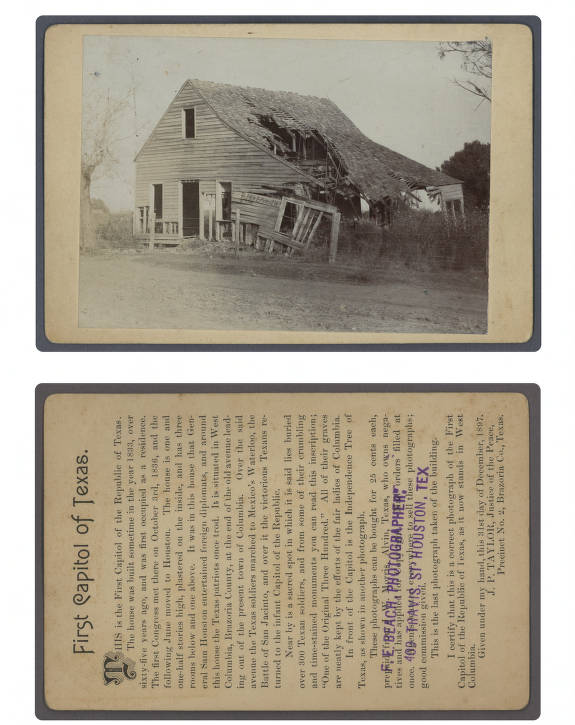
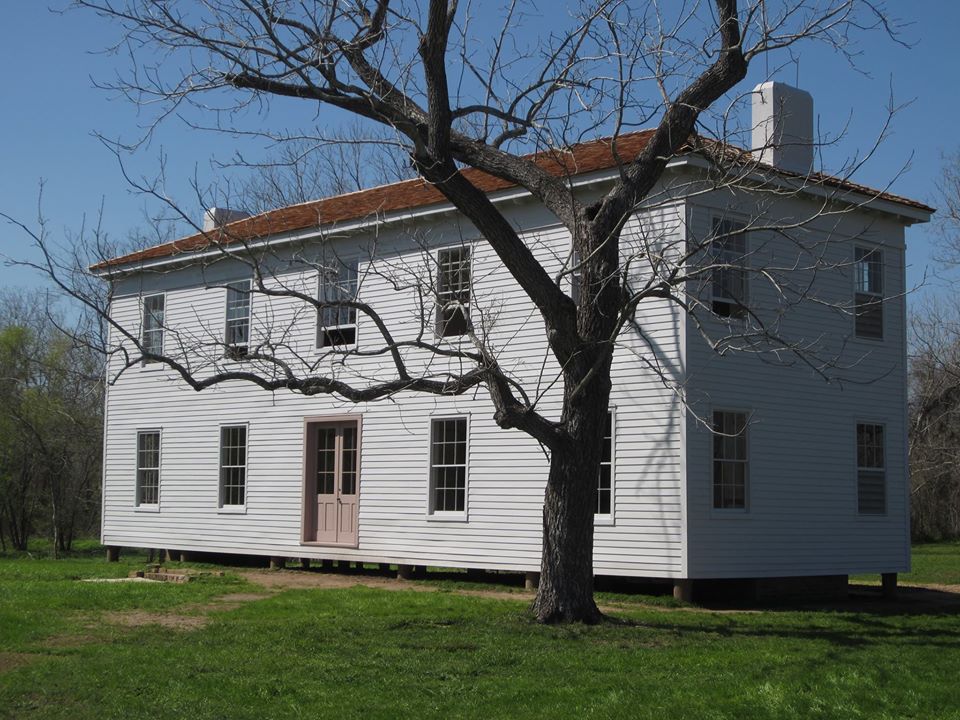
Varner-Hogg Plantation State Historic Site belongs on a Texas history itinerary because the plantation site preserves more than a century of layered stories involving enslaved labor, emancipation, agriculture, oil wealth and the families who controlled or worked the land. The value of the stop is not just the surviving building, battlefield, monument or landscape. It is the chance to place a familiar Texas story back in the geography where it happened and to see how transportation, settlement, conflict, work and family life shaped the surrounding region.
Its interpretation is most valuable when treated as a long history of changing power, labor and community rather than as a single historic house. A useful visit starts with the site's interpretive material rather than treating the property as a photo stop. Look for the details that connect the location to slavery and emancipation, plantation history and Texas oil era; those threads are also the best way to connect this stop with nearby museums, county history and other Texas Defined destinations.
Plan this as part of a broader West Columbia and Brazoria County route when possible. Hours, tours, restoration work, special programs and access can change, so verify current visitor information with the official site before leaving. Texas Defined uses the official source as the planning authority while this guide focuses on why the place matters, what to notice when you arrive and how it fits into the larger story of Texas.






.jpg%3Fwidth%3D1600)