Historic Sites & Museums
Texas History Is Better When You Stand Where It Happened
Missions, battlefields, courthouses and museums make more sense as a road map than a timeline. These are the places that turn state history back into geography.
Texas history is usually taught as a sequence of dates, flags and battles. On the ground it feels less orderly. A Spanish mission sits inside a modern city. A courthouse square still organizes a town built around nineteenth-century commerce. A battlefield that changed a republic can be reached from a freeway exit. Geography makes the stories overlap in a way textbooks rarely do.
Begin with San Antonio’s missions
The San Antonio missions are the clearest place to see the Spanish colonial period as a system rather than a single famous building. The Alamo carries enormous symbolic weight, but the larger mission trail shows churches, irrigation, agriculture and community life across multiple sites. Visiting more than one mission changes the scale of the story.
Then follow the revolution east
San Felipe de Austin, Washington-on-the-Brazos, Gonzales, Goliad and San Jacinto form a rough geographic arc through the Texas Revolution. You do not need to visit them in one trip. In fact, spreading them out works better. Each site explains a different piece: settlement, convention, uprising, military disaster and final battlefield.
Use courthouses to understand the towns
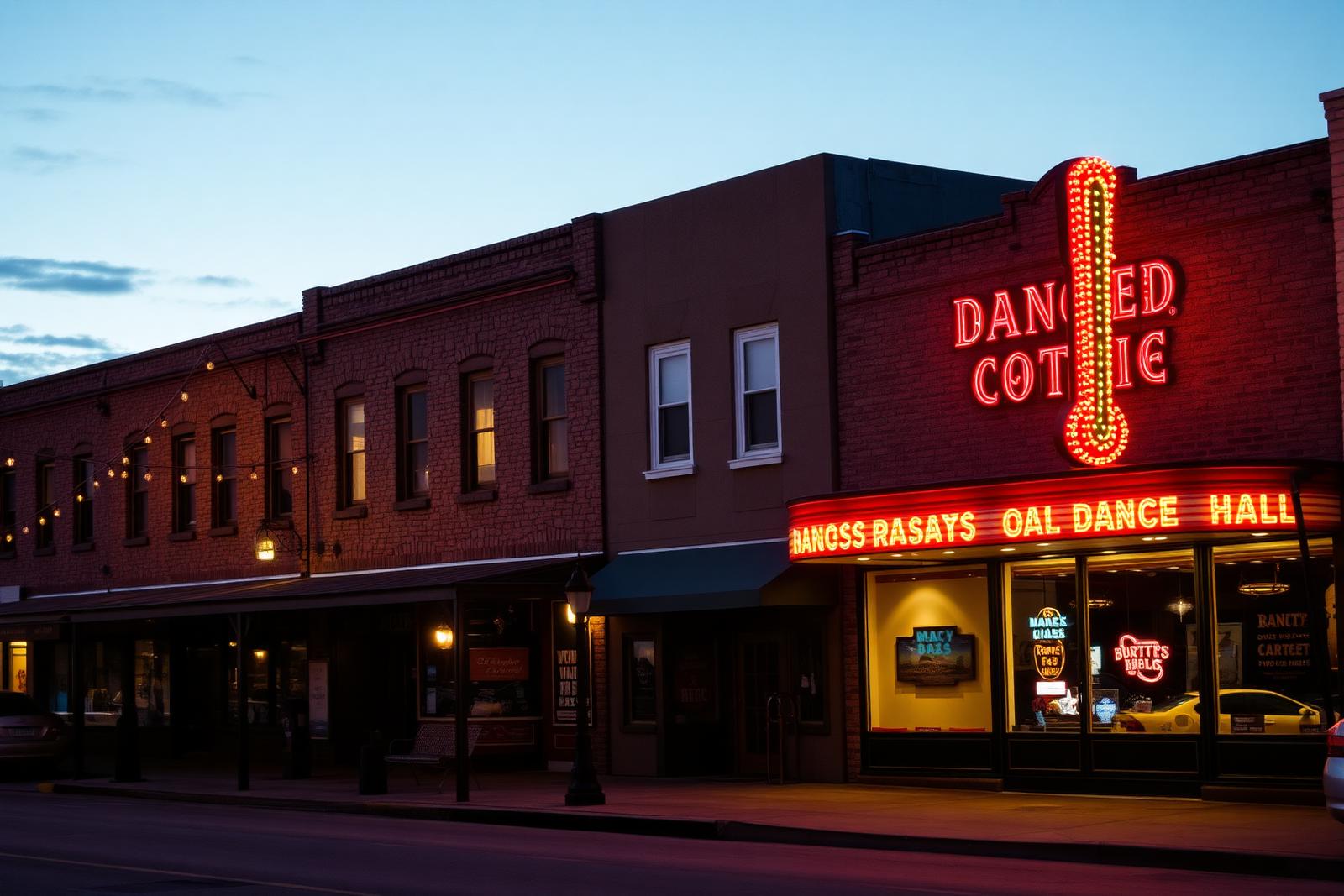
County courthouses are among the best surviving civic landmarks in Texas. Around them grew banks, stores, newspapers, hotels and law offices. In towns where the square remains intact, walking one block in each direction can reveal the original logic of the place. Preservation varies widely, but the courthouse still works as a compass.
Museums are strongest with a specific question
A giant museum can become a blur if you arrive with the assignment to learn Texas history. Pick a narrower question instead: cattle, oil, borderlands, Black history, Tejano culture, spaceflight, railroads, German immigration, Czech communities or the military. The state is too large for one museum to explain it honestly.
- Read the site’s current interpretation rather than relying on a decades-old plaque or childhood memory.
- Give outdoor sites time; landscapes often explain why an event happened where it did.
- Look for local museums in addition to major institutions. Small collections often preserve the most place-specific material.
- Treat cemeteries and memorial spaces as active places of remembrance, not scenery.
- Pair a historic site with the modern town around it. History did not stop when the marker went up.
“The advantage of standing at the real place is that the landscape gets a vote in the story.”
A good Texas history trip should complicate what you thought you knew. If a site only confirms a slogan, keep looking. The strongest places add people, geography and consequence back into the story.
Filed under
- history
- missions
- museums
- courthouses
From the magazine
More stories to read next
Historic Sites
Best Lighthouses to Visit in Texas: What You Can Actually See and Climb
August 21, 2026 · About 12 minutes
