Texas Explained
Possum Kingdom Lake Explained: An Early Brazos River Multipurpose Reservoir
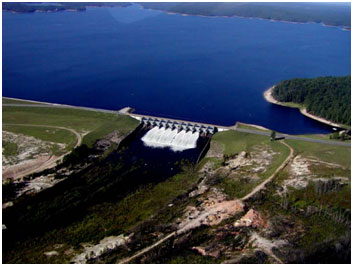
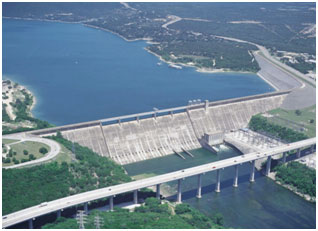
Possum Kingdom Lake pairs a dramatic North Texas landscape with serious water infrastructure. Morris Sheppard Dam supports municipal and industrial supply, irrigation, flood control, recreation and power generation on the Brazos River.
Possum Kingdom is famous for steep shoreline scenery and Hells Gate, but Morris Sheppard Dam makes the lake an important chapter in the history of Brazos River management. It was built before many of the large postwar reservoirs Texans now take for granted.
A reservoir with an unusually broad job list
TWDB says the Brazos River Authority owns and operates Possum Kingdom Lake and Morris Sheppard Dam for municipal, industrial and mining water supply, irrigation, flood control, recreation and power generation. Few descriptions make the multipurpose nature of a Texas reservoir clearer.
Built at the beginning of the modern reservoir era
The project was authorized in the 1930s, construction began in 1938 and the dam was completed in 1941. Deliberate impoundment and power generation followed immediately. That places Possum Kingdom near the front edge of the era when river authorities and large dams began reshaping Texas surface-water management.
The lake's storage has changed over time
TWDB reports that the reservoir's surveyed storage capacity is lower than its earlier listed capacity. Sediment accumulation is one reason reservoir surveys matter: a reservoir is a physical basin that can change over decades, so historical design numbers are not necessarily the same as modern measured storage.
A huge upstream watershed feeds the dam
The dam controls a drainage area measured in tens of thousands of square miles, although TWDB identifies a large portion as noncontributing. That is another reminder that a reservoir's true geography is its watershed, not the outline of the lake.
Why power generation belongs in the story
Hydropower was part of the project from the beginning. The dam therefore did more than hold water behind a new shoreline; it converted controlled river releases into electricity while supporting other water uses.
What Possum Kingdom teaches
- Texas river authorities were building multipurpose reservoirs before the postwar boom in federal lake construction.
- A single reservoir can support municipal, industrial, irrigation, flood-control, recreation and power needs.
- Modern volumetric surveys matter because reservoir storage can change over time.
- The watershed feeding a lake can be vastly larger than the recreation area people see.
- The scenic identity of a reservoir and its infrastructure identity can coexist.
The lake behind the landmark
Possum Kingdom makes an excellent Texas Explained profile because the scenery is memorable enough to obscure the engineering. Once the dam, river authority, watershed and changing storage are added back into the picture, the lake becomes a lesson in how early modern Texas learned to manage the Brazos.
Image credit: Texas Water Development Board reservoir record
Primary source: Texas Water Development Board ↗
Filed under
- Possum Kingdom Lake
- Brazos River
- Morris Sheppard Dam
- Brazos River Authority
- Texas reservoirs
- Texas water
From the magazine
More stories to read next
Lakes & Rivers
Toledo Bend Explained: Texas' Largest Reservoir and a Two-State Water Project
August 16, 2026 · About 9 minutes
Lakes & Rivers
Lake Whitney Explained: A Brazos River Reservoir Built for Multiple Jobs
August 16, 2026 · About 9 minutes
Lakes & Rivers
Lake Travis Explained: Austin's Flood-Control and Water-Storage Reservoir
August 16, 2026 · About 9 minutes