90 minutes
Capitol essentials
- 1Walk the rotunda and principal public spaces
- 2See legislative chambers when accessible
- 3Circle the south grounds

Hill Country · Historic Sites & Museums
Austin's landmark pink-granite Capitol, where free public tours, legislative chambers, historic grounds and exhibits connect Texas government with the architecture and civic history of the state in the center of Downtown Austin.
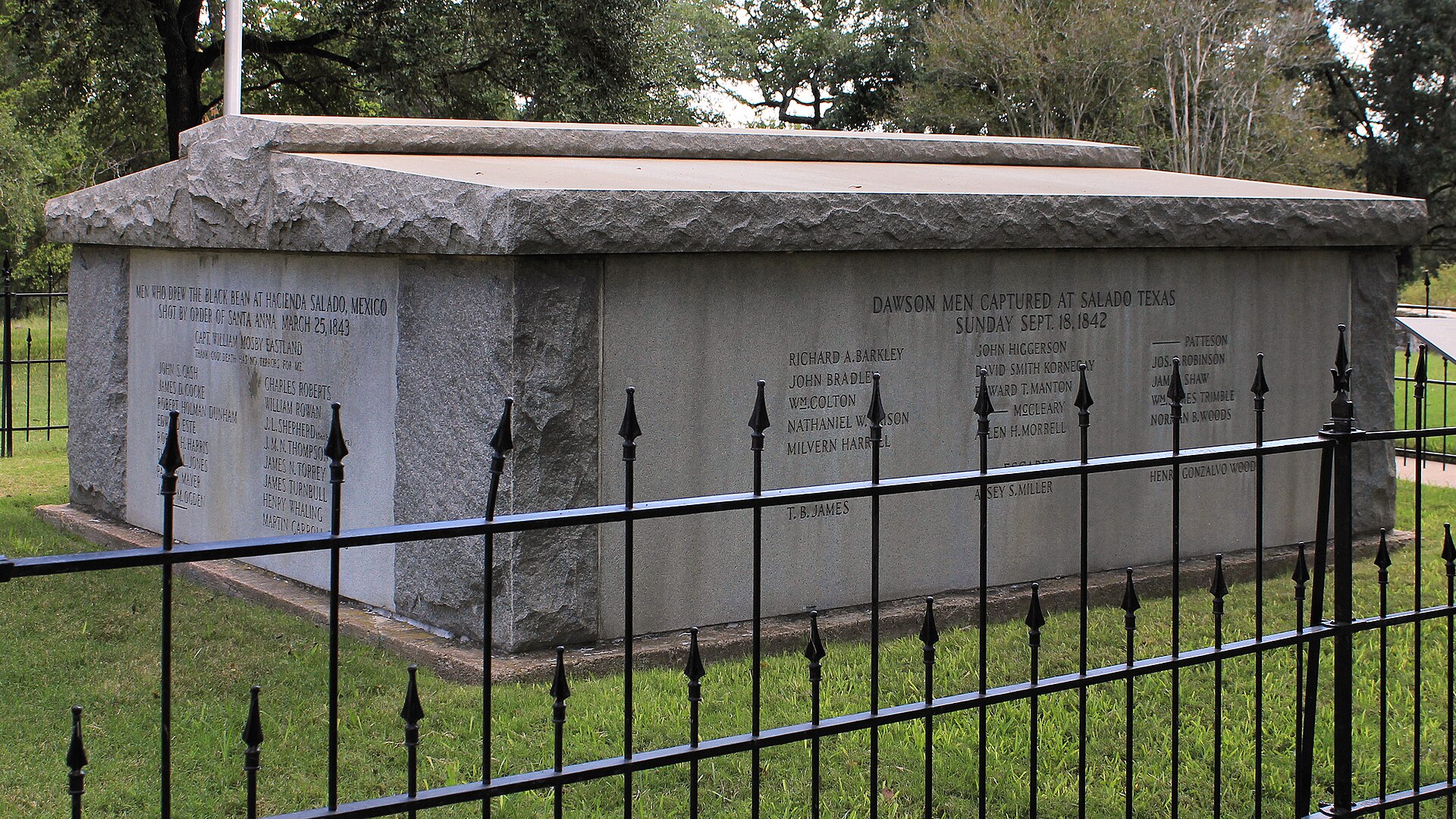
Photography: Daderot · CC0 1.0 · Wikimedia Commons
Plan the visit
The place
The Texas State Capitol is both a working seat of government and one of Austin's defining pieces of architecture. Completed in the 1880s and faced in distinctive Texas pink granite, the building was designed to project the scale and confidence of a growing state. That civic symbolism is easiest to understand inside the rotunda, where the dome, portraits and branching corridors organize the building around Texas political history.
A free guided tour is the best introduction for most first-time visitors because guides can explain the architecture, legislative chambers, major artworks and practical workings of the building in a compact visit. Self-guided exploration is also possible during public hours, but access to specific rooms can change when the Legislature, official events or security operations are using them.
The House and Senate chambers make the Capitol more than a monument. Seeing the desks, galleries and floor layouts gives context to how Texas law is debated and passed, while exhibits and portraits connect present-day institutions with the Republic, statehood, Reconstruction and later political eras. Visitors interested in current politics should remember that this remains an active government workplace rather than a museum set.
The grounds deserve time of their own. Monuments, mature trees and long views down Congress Avenue help place the Capitol within Austin's street plan, while the Capitol Visitors Center occupies a historic building nearby and provides additional orientation. The grounds also make an easy link between Downtown and the museum corridor immediately north.
Accessibility and visitor support are stronger than the building's nineteenth-century appearance might suggest. The State Preservation Board publishes accessible visitor guidance, including large-print and Braille materials and advance arrangements for sign-language tours. Visitors with specific needs should confirm the best entrance and tour arrangements before arrival.
The Capitol is one of TexasDefined's easiest attractions to turn into a full urban itinerary. The Bullock Texas State History Museum and Blanton Museum are within walking distance toward the University of Texas, while Downtown restaurants, Waterloo Park and the Congress Avenue corridor extend south. A separate half day can reach the LBJ Presidential Library, Barton Springs or the Lady Bird Johnson Wildflower Center.
The details
Tours & bookable experiences
TexasDefined handles the destination planning. Viator can be useful for guided tours, tickets and organized activities near Austin. Availability changes, so the booking link checks current inventory rather than promising a specific product.
Affiliate disclosure: TexasDefined may earn a commission from qualifying Viator bookings, at no additional cost to you.
Quick answer
Field notes
Conditions, closures, fees and availability can change. Use these notes to plan, then confirm the latest details with the official site before making the drive.
TexasDefined authority guide
Operational facts are tied to official sources and a recorded review date. Supporting agency, institutional, conservation, science and historic-designation sources add context where useful. TexasDefined's planning assessment is editorial judgment—not a paid rating or a claim of an unrecorded personal visit.
Verified visitor information
Reviewed August 17, 2026
Editorial assessment
Why it matters to Texas
The Texas State Capitol is both a working seat of government and one of the state's most important civic buildings. Its architecture, grounds, legislative chambers and monuments make it a direct introduction to Texas government and public memory.
Use the time you have
90 minutes
3 hours
Full day
Key dates
A short chronology of dates that materially shaped this place. Each entry links to the source used for the date and historical context.
1839
The Republic of Texas established Austin as its capital and used an early log structure as the seat of government.
Source: Texas State Preservation Board — Capitol HistoryMarch 2, 1885
Texas officials and civic leaders marked construction of the present Capitol with a cornerstone ceremony.
Source: Texas State Preservation Board — Capitol HistoryMay 16, 1888
The present red-granite Capitol was formally dedicated after a week of public festivities in Austin.
Source: Texas State Preservation Board — Capitol HistoryBefore you go
What's in the area
The Capitol sits between Downtown Austin and the University of Texas museum corridor, making it one of the easiest major Texas attractions to build into a car-light day. History museums are immediately north, while restaurants, parks and entertainment districts spread south and east.
Nearby
Easy additions that fit naturally around the main stop.
On the Capitol grounds
Exhibits and visitor information in a historic state building add context before or after the main Capitol tour.
About a 10-minute walk north
Three floors of Texas history make the Bullock the strongest museum companion to a Capitol visit.
About a 10–15-minute walk north
The University of Texas art museum provides a visual-arts counterpoint beside the state-history corridor.
About a 10-minute walk east
Downtown lawns, trails and event space offer an outdoor break close to the Capitol.
Eat nearby
Dining districts and food areas worth building into the same outing.
South of the Capitol
Restaurants, coffee and hotels line the central corridor for the easiest meal without moving the car.
North-west toward UT
Casual student-oriented restaurants and cafes work well with a Bullock or university museum visit.
About a 10-minute walk east
Music venues, bars and casual food make this a useful evening extension from the government district.
Short ride east
A deeper restaurant and nightlife bench makes East Austin a good choice when the day moves beyond the immediate Capitol area.
Stay nearby
The most practical lodging areas for minimizing driving and maximizing time on the ground.
Walkable
The most convenient base for the Capitol, Congress Avenue, downtown restaurants and central cultural attractions.
About 1 mile north
Useful for travelers combining the Capitol with the Bullock, Blanton and campus attractions.
About 0.5–1 mile east
A practical choice for live music, Waterloo Park and quick access back to the Capitol.
Explore more
Nearby parts of the city that add character, shopping, history or nightlife.
Immediate area
Austin's civic spine links the Capitol with historic commercial buildings, hotels and the riverfront farther south.
North
Museums, campus landmarks and student life create a second walkable district beyond the government complex.
East
Live music and nightlife provide a distinctly Austin transition after daytime history and government stops.
Short ride east
Restaurants, bars, galleries and neighborhood streets add a more local evening layer to the trip.
With kids
Good nearby additions when the itinerary includes younger travelers.
About a 10-minute walk
Interactive exhibits, major artifacts and Texas stories make the history corridor more engaging for school-age visitors.
On the UT campus
Dinosaurs, fossils and Texas natural history create an easy family-oriented extension north of the Capitol.
About a 10-minute walk
Open lawns and paths give families space to reset between indoor stops.
About 3 miles south-west
Swimming and park space offer a strong warm-weather contrast to museums and government buildings.
Go farther
Places that justify extending the visit beyond the immediate area.
About 2 miles north-east
Presidential history and major twentieth-century events make a natural political-history extension.
About 12 miles south
Native Texas landscapes and gardens create an outdoor half-day beyond central Austin.
About 3 miles south-west
Pair the city's civic center with its best-known spring-fed pool and major urban park.
About 5 miles north-west
A short climb to a Colorado River overlook adds a classic Austin landscape stop.
Build the trip
Nearby places, worthwhile detours and combinations for adding water, history, outdoors or a full weekend around this destination.
Close enough for the same trip
Places ordered by straight-line distance when reliable coordinates are available.
Austin · Travis County · Hill Country
Austin's state history museum beside the Capitol Mall, using three floors of artifacts, immersive galleries, films and changing exhibitions to connect Indigenous Texas, exploration, revolution, statehood, ranching, energy, immigration and modern life into one broad statewide narrative.
Approx. 1 miles away
Austin · Travis County · Hill Country
The Blanton Museum of Art at the University of Texas at Austin combines European, Latin American, American and contemporary collections with major installations and a redesigned outdoor museum grounds just north of the Texas Capitol.
Approx. 1 miles away
Austin · Travis County · Hill Country
Mexic-Arte Museum on Congress Avenue presents Mexican, Mexican American and Latin American art and culture through changing exhibitions, collections, education and public programs in the heart of downtown Austin.
Approx. 1 miles away
Austin · Travis County · Hill Country
One of Austin's oldest surviving residences began as a diplomatic property tied to France's recognition of the Republic of Texas. The house brings international diplomacy down to neighborhood scale and offers a striking counterpoint to the nearby Capitol complex.
Approx. 1 miles away
Austin · Travis County · Hill Country
The O. Henry Museum preserves the Austin home of writer William Sidney Porter, better known as O. Henry, with artifacts and interpretation connecting his Texas years to the short stories and wordplay that made his pen name famous.
Approx. 1 miles away
Austin · Travis County · Hill Country
The Susanna Dickinson Museum occupies the restored 1869 home of the Alamo survivor known as the Messenger of the Alamo, interpreting her life, nineteenth-century Texas women and the memory of the Texas Revolution.
Approx. 1 miles away
Around Austin
Other destinations connected to Austin.
Austin · Williamson County · Hill Country
A northwest Austin interactive aquarium with marine-life exhibits plus birds, reptiles and mammal encounters, built around hands-on family experiences.
Approx. 12 miles away
Austin · Travis County · Hill Country
The University of Texas at Austin's native-plant botanical garden in South Austin, where designed gardens, prairie restoration, an arboretum, family garden and nature trails show how Texas wildflowers and native landscapes can be beautiful, resilient and ecologically useful year-round.
Approx. 10 miles away
Austin · Travis County
An Austin state park where Onion Creek drops over broad limestone ledges at Upper and Lower Falls, with swimming holes, trails, camping and reminders of Central Texas history only minutes from the city.
Approx. 6 miles away
Austin · Travis County
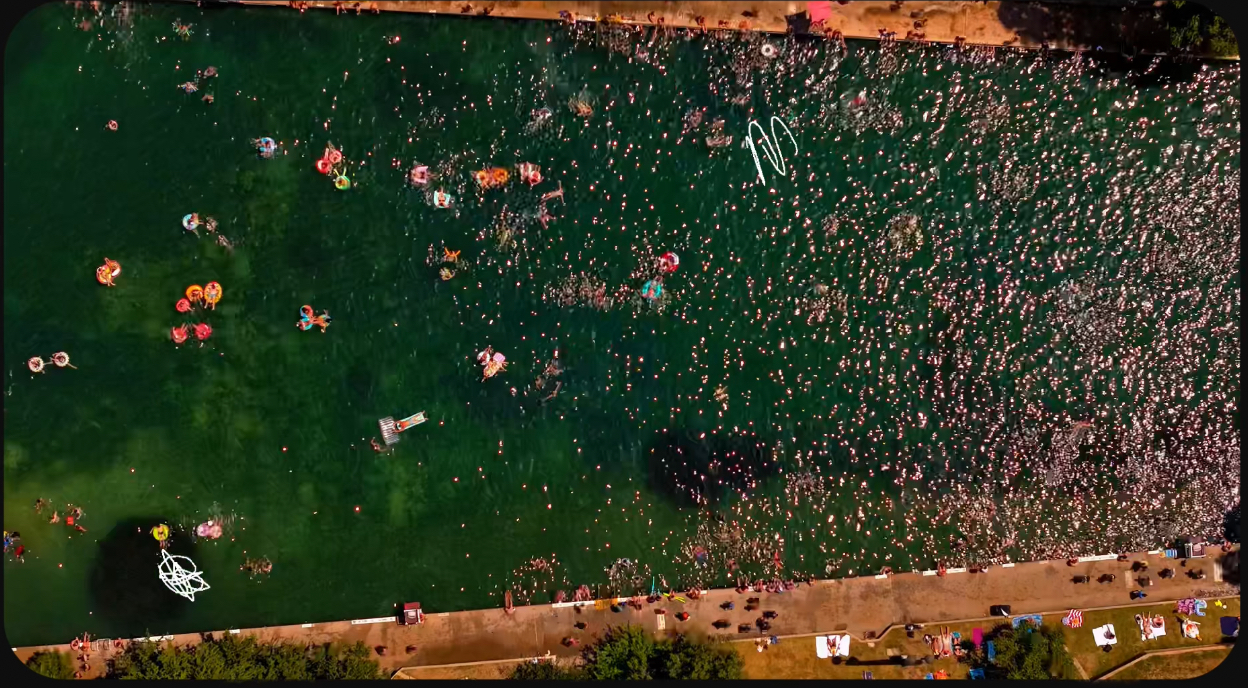
Austin's landmark spring-fed swimming pool in Zilker Park, supplied by the Edwards Aquifer and holding near 68–70 degrees year-round beneath limestone slopes and mature pecan trees.
Approx. 2 miles away
Austin · Travis County
Camp Mabry's museum of Texas militia, National Guard, State Guard and wartime service from the early nineteenth century to modern deployments.
Approx. 3 miles away
Austin · Travis County · Hill Country
The LBJ Presidential Library on the University of Texas campus preserves the presidency, archives and public life of Lyndon B. Johnson through immersive galleries on civil rights, the Great Society, Vietnam, the 1960s and presidential decision-making.
Approx. 1 miles away
Build a better day
Nearby parks, water, towns, history and outdoor places that complement this destination.
Bastrop · Bastrop County
Bastrop is a Colorado River town east of Austin where one of Texas' oldest communities, a preserved downtown, the Old Iron Bridge and the isolated Lost Pines forest create a rare mix of history and outdoor recreation.
Approx. 28 miles away
Wimberley · Hays County · Hill Country
A small Hill Country town on Cypress Creek and the Blanco River, known for spring-fed swimming, galleries, markets, shaded roads and nearby natural areas.
Approx. 29 miles away
Lockhart · Caldwell County
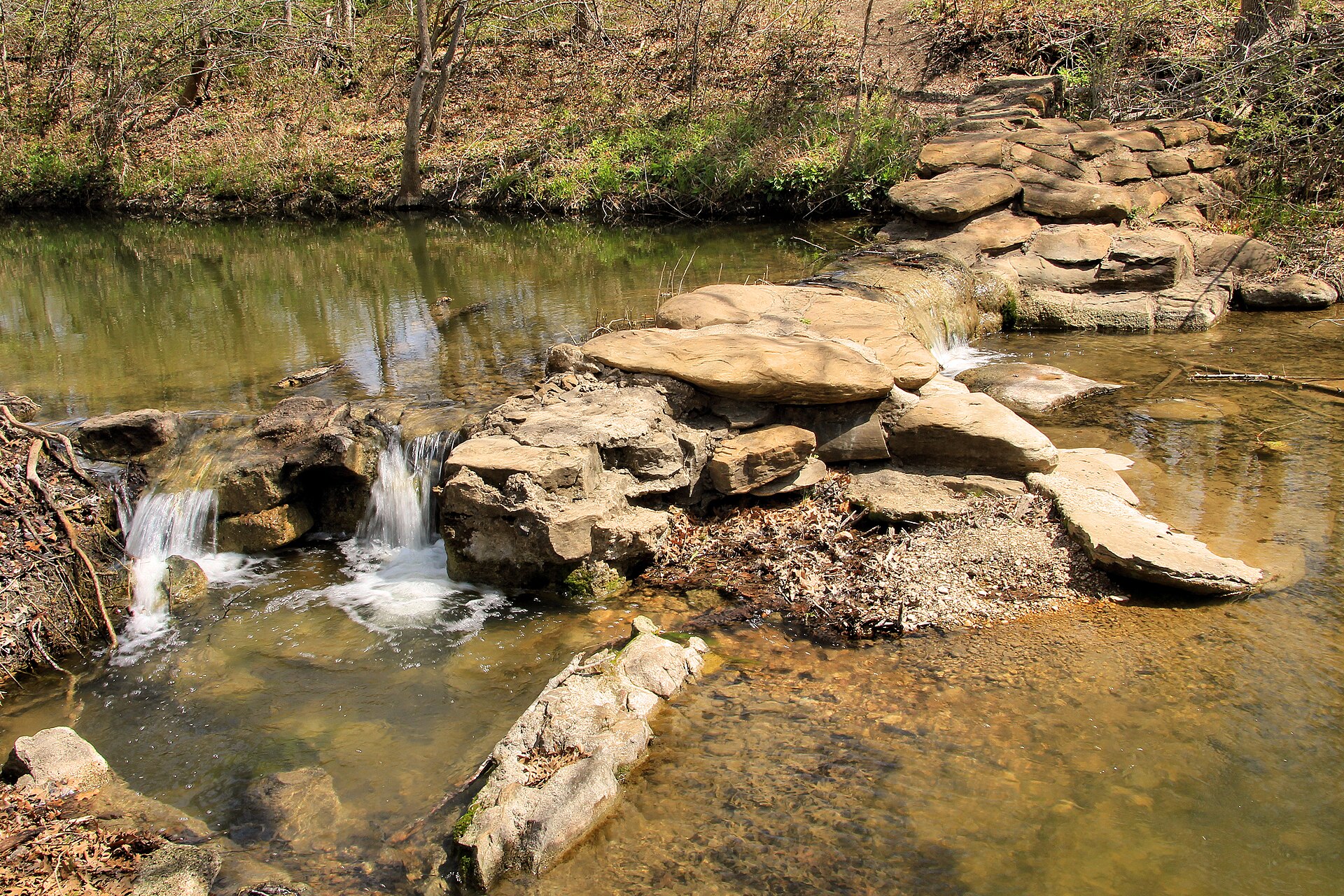
A small Central Texas state park beside Clear Fork Creek, notable for wooded trails, a historic CCC-built recreation landscape and the only golf course in the Texas State Park system.
Approx. 29 miles away
Bastrop · Bastrop County
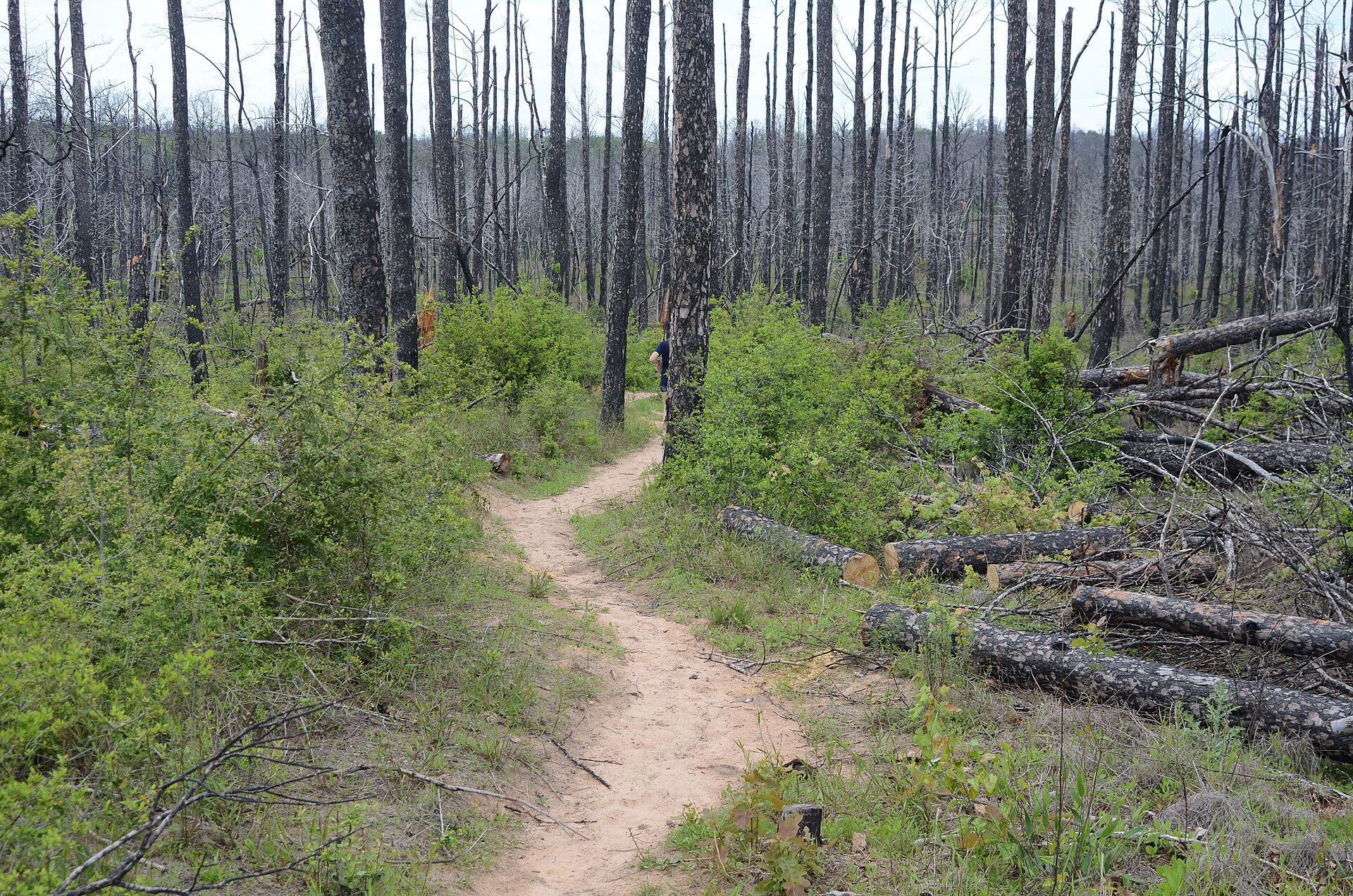
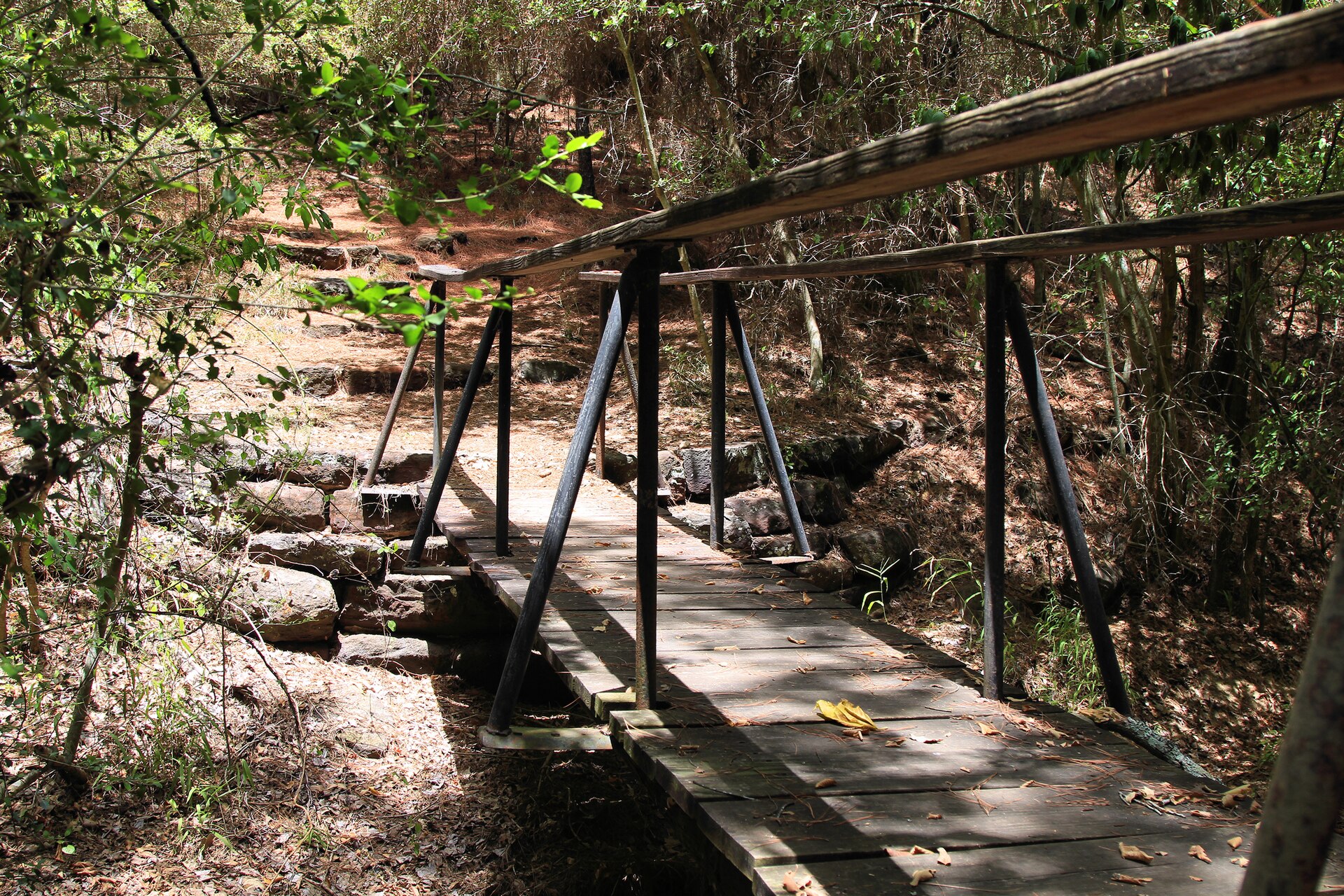
A historic Lost Pines park east of Austin where CCC stonework, loblolly pine forest and an evolving wildfire-recovery landscape frame hiking, camping and a scenic connection to Buescher State Park.
Approx. 29 miles away
San Marcos · Hays County · Hill Country
A Central Texas city built around powerful artesian springs and the clear San Marcos River, with tubing, paddling, a walkable downtown and a major university presence.
Approx. 30 miles away
Smithville · Bastrop County
A wooded park near Smithville connected to Bastrop State Park by a scenic road, with a small lake, CCC history and trails through recovering Lost Pines habitat.
Approx. 38 miles away
Add some water
Lakes, rivers, springs and coastal places that can fit into the same trip.
Dripping Springs · Travis County · Hill Country
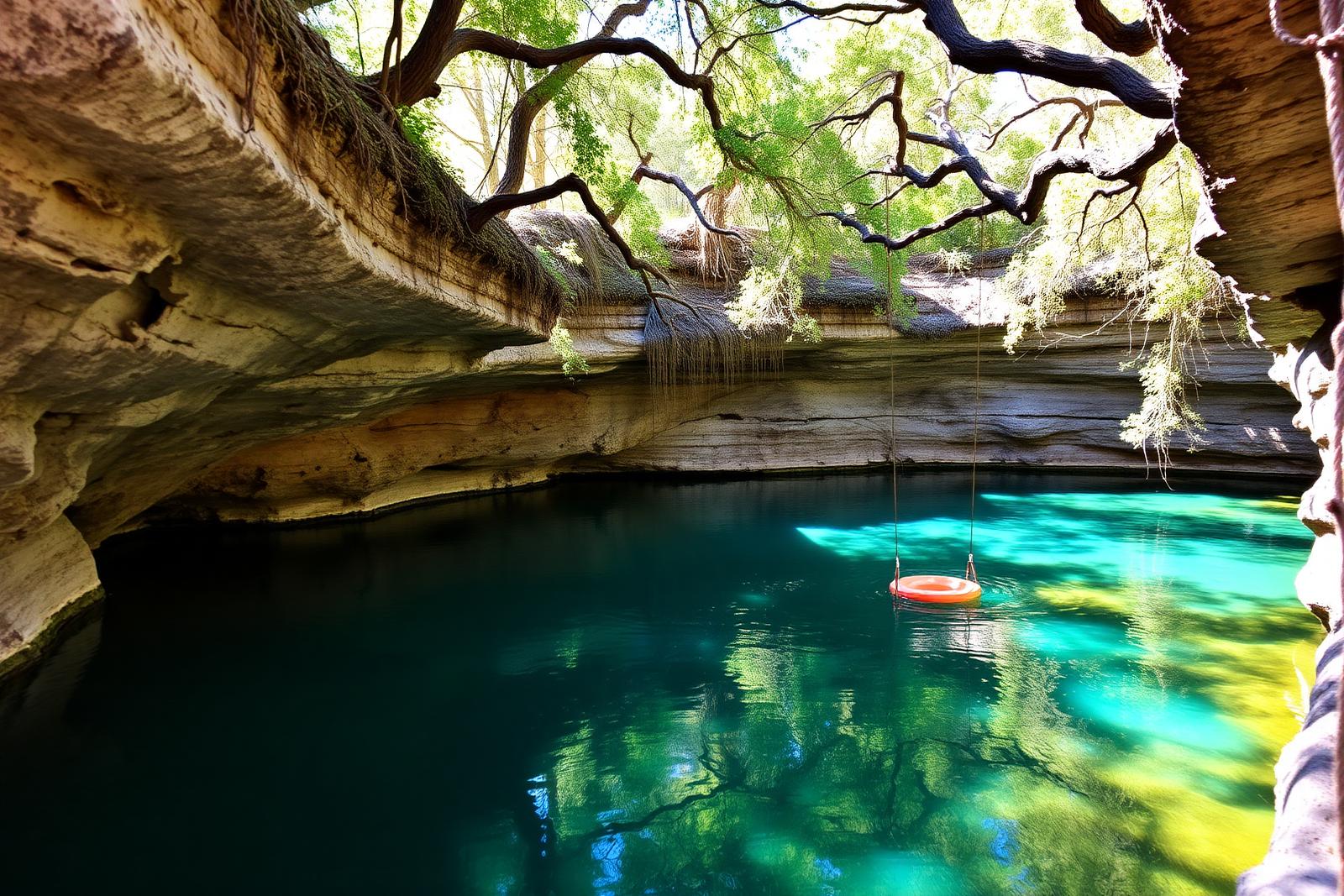
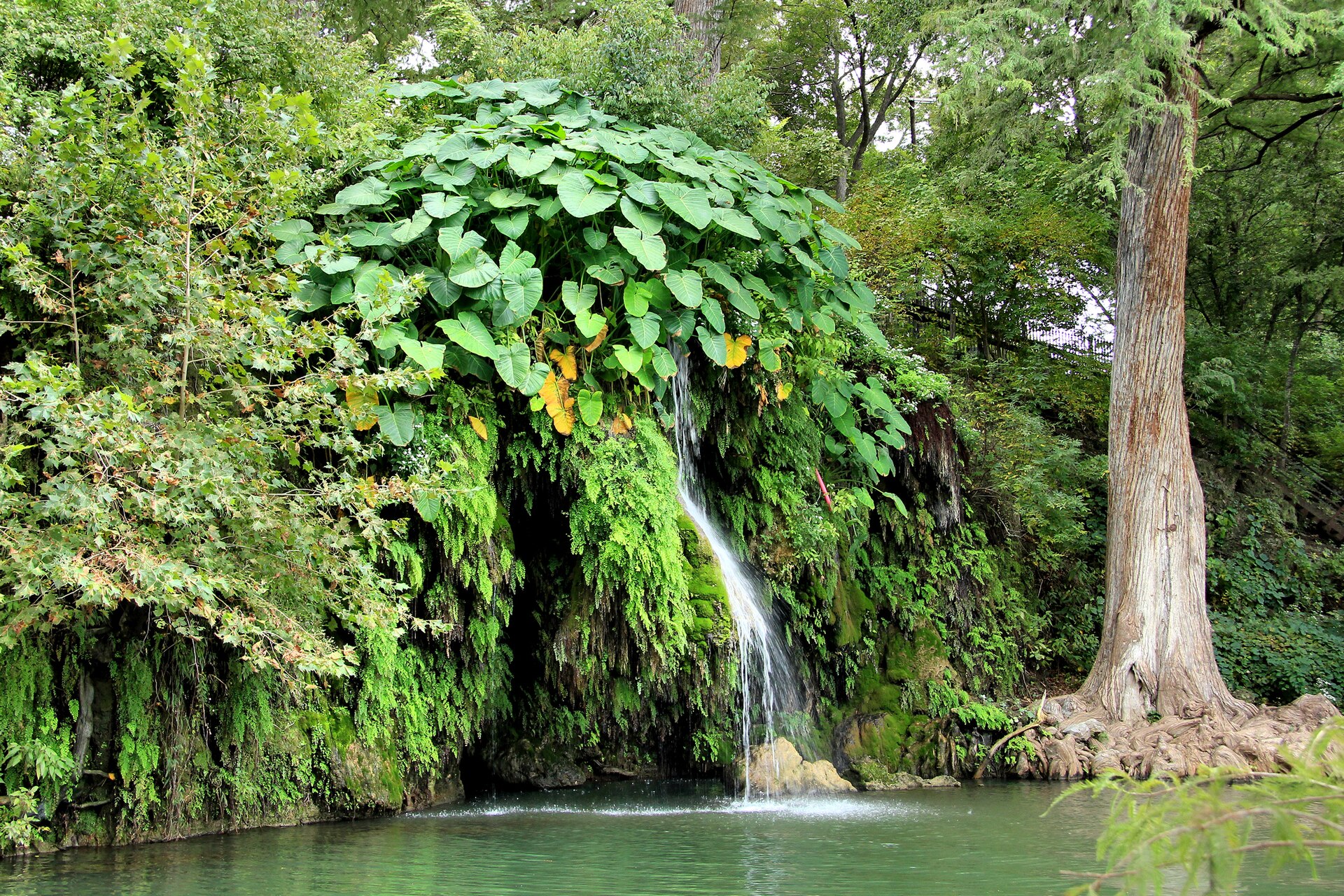
A protected Hill Country canyon and collapsed limestone grotto west of Austin, where Hamilton Creek drops into a jade-green pool beneath a broad rock overhang, reached by a rugged trail and managed through required reservations to protect sensitive habitat.
Approx. 24 miles away
Wimberley · Hill Country
A spring-fed swimming area on Cypress Creek inside Wimberley's Blue Hole Regional Park, shaded by mature cypress trees and managed through a seasonal reservation system that protects the experience from uncontrolled crowding.
Approx. 28 miles away
Spicewood · Burnet County · Hill Country
A privately operated Hill Country swimming destination near Spicewood with spring-fed pools, a small waterfall, cypress trees, gardens and camping on a family-owned property.
Approx. 28 miles away
Wimberley · Hays County · Hill Country
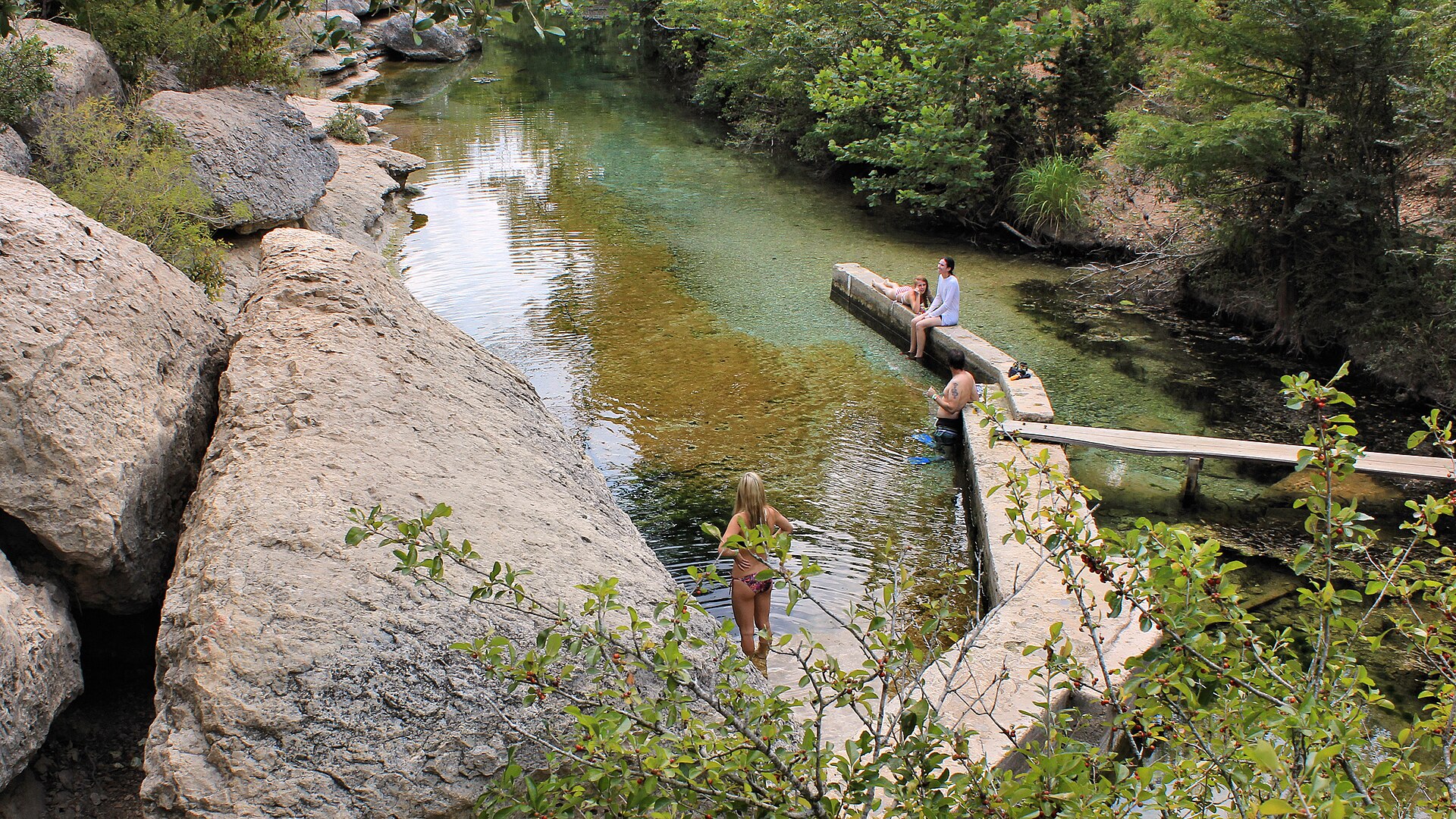
A deep artesian spring and karst opening near Wimberley that forms the headwaters of Cypress Creek, protected within a Hays County natural area with trails and tightly managed water access.
Approx. 28 miles away
Keep the day outside
Parks, caverns and outdoor destinations that pair naturally with this stop.
Georgetown · Williamson County · Hill Country
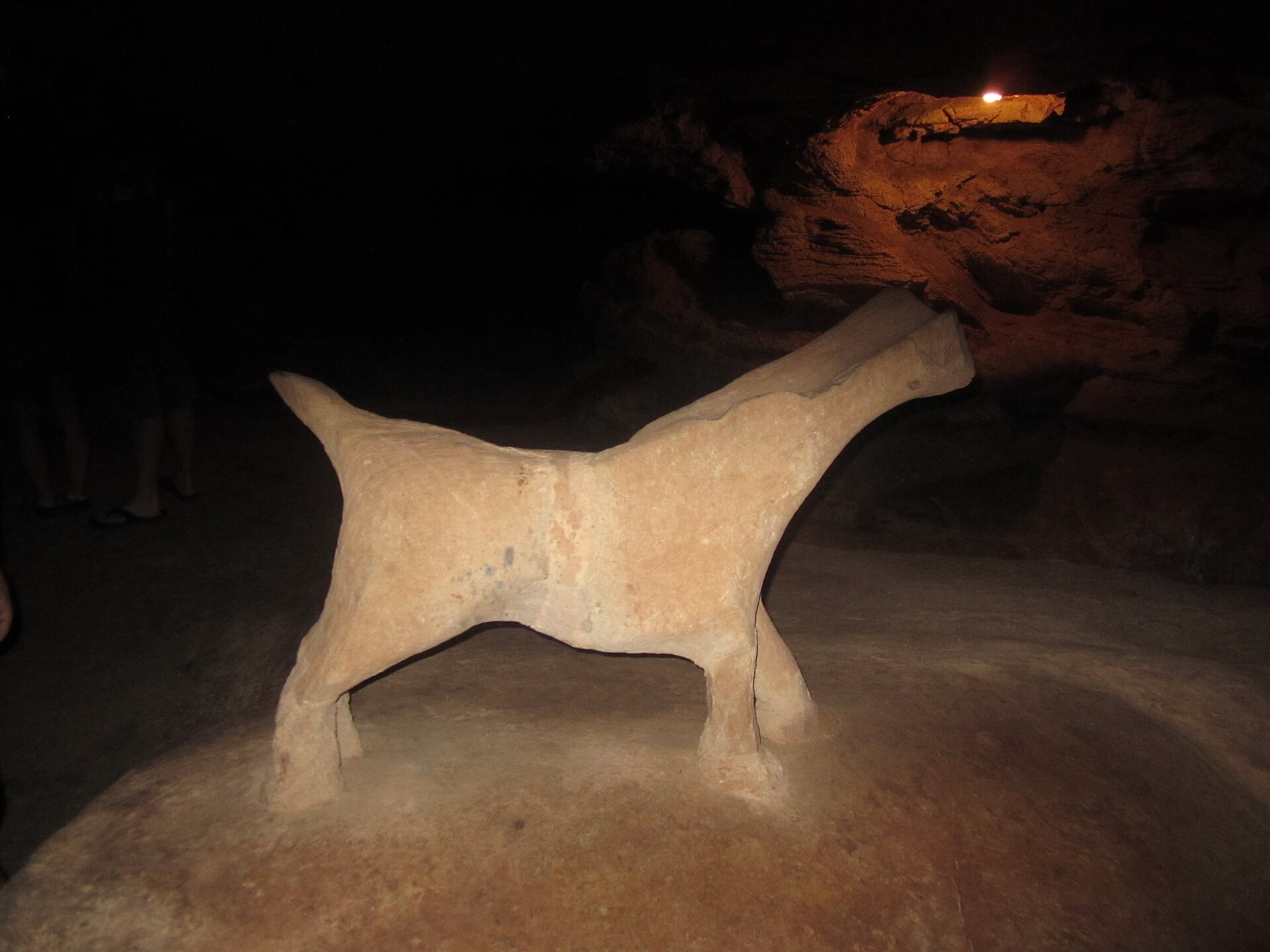
A limestone show cave beside Interstate 35 in Georgetown, where guided tours descend into decorated chambers, fossil-rich passages and active formations on routes ranging from the paved Adventure Tour to more rugged flashlight and wild-cave experiences.
Approx. 23 miles away
Burnet · Burnet County · Hill Country
A Hill Country cavern carved by ancient underground water, explored on guided tours beneath a historic 1930s Civilian Conservation Corps park landscape near Burnet.
Approx. 46 miles away
Make a weekend of it
A mix of towns, food, history, parks and water that can turn one stop into a fuller itinerary.
Austin · Travis County · Hill Country
The Harry Ransom Center at the University of Texas at Austin is a humanities research library and museum whose public exhibitions draw from major collections in literature, photography, film, theater, art and cultural history.
Approx. 1 miles away
Austin · Travis County · Hill Country
Texas Science & Natural History Museum on the University of Texas campus interprets the state's fossils, wildlife, geology and natural systems, including major paleontology displays drawn from the former Texas Memorial Museum collections.
Approx. 1 miles away
More like this
Similar destinations, favoring the same region and the shortest available distance.
Fredericksburg · Gillespie County · Hill Country
Fredericksburg's National Historic District centers on a broad Hill Country Main Street lined with limestone commercial buildings, German-Texan landmarks, museums, churches and more than 80 points of historic interest that turn the town's nineteenth-century immigrant story into a walkable living district.
Approx. 67 miles away
New Braunfels · Comal County · Hill Country
A compact National Historic District on the Guadalupe River in New Braunfels where nineteenth-century German-Texan buildings now hold Gruene Hall, shops, restaurants, lodging and live music, preserving the scale of the original township while remaining an active entertainment district.
Approx. 43 miles away
Johnson City · Blanco County · Hill Country
A two-part Hill Country national historical park connecting Lyndon B. Johnson's boyhood in Johnson City with the LBJ Ranch near Stonewall, where presidential history, ranch life and the Pedernales River landscape come together.
Approx. 53 miles away
Fredericksburg · Gillespie County · Hill Country
Fort Martin Scott was established in 1848 and became an early U.S. Army post on the expanding Texas frontier. Its Fredericksburg location makes it easy to connect German immigration, federal military expansion and Hill Country settlement in a single day.
Approx. 67 miles away
Fort McKavett · Menard County · Hill Country
The remarkably preserved West Texas post interprets U.S. Army life and conflict on the 19th-century frontier, including the service of Buffalo Soldiers. Its surviving buildings and remote setting create one of Texas' clearest physical impressions of an Indian Wars-era military post.
Approx. 146 miles away
La Grange · Fayette County · Hill Country
Ruins on the bluff above La Grange preserve one of Texas' earliest commercial breweries and the story of German immigrant entrepreneur Heinrich Kreische. Because it shares a landscape with Monument Hill, the stop combines immigration, industry and Texas military memory in one visit.
Approx. 58 miles away
Keep exploring the region
Additional places from the same Texas region.
Glen Rose · Somervell County · Hill Country
A drive-through conservation center near Glen Rose where giraffes, rhinos, antelope and other species roam large Hill Country pastures tied to endangered-species breeding and education.
Approx. 132 miles away
San Antonio · Comal County · Hill Country
A major Hill Country cave attraction north-east of San Antonio where guided routes descend through enormous limestone rooms, stalactites, stalagmites and flowstone, with multiple cavern experiences and above-ground family attractions surrounding the natural limestone bridge that gave the site its name.
Approx. 54 miles away
San Antonio · Comal County · Hill Country
A 500-acre drive-through safari beside Natural Bridge Caverns where visitors travel in their own enclosed vehicles among more than 500 animals from dozens of species, then continue through walkable animal areas and optional guided safari experiences.
Approx. 54 miles away
Fredericksburg · Gillespie County · Hill Country
A massive pink-granite dome north of Fredericksburg with nearly 21 miles of hiking, a famous summit climb, rock climbing, stargazing and a newly opened backcountry trail system.
Approx. 66 miles away
Concan · Uvalde County · Hill Country
A Hill Country favorite on the Frio River, where limestone hills, cypress-lined water, Old Baldy and the park’s long-running summer dances make the destination as social as it is scenic.
Approx. 129 miles away
Bend · San Saba County · Hill Country
A rugged Colorado River park northwest of Austin with 70-foot Gorman Falls, spring-fed pools, cave tours and more than 35 miles of hike-and-bike trails through limestone canyon country.
Approx. 66 miles away
Texas Explained
Go beyond the destination with the systems, landscapes and history that explain why this part of Texas looks and works the way it does.
Continue exploring
Read next
Historic Sites
The best Texas lighthouse experiences ranked by public access, history and trip style.
August 21, 2026 · About 12 minutes
Historic Sites
Missions, battlefields, courthouses and museums make more sense as a road map than a timeline. These are the places that turn state history back into geography.
August 7, 2026 · About 4 minutes


.jpg%3Fwidth%3D1600)
.jpg%3Fwidth%3D1600)


%2C%2520San%2520Marcos%2C%2520TX.jpg%3Fwidth%3D1600)






.jpg)

.jpg%3Fwidth%3D1600)