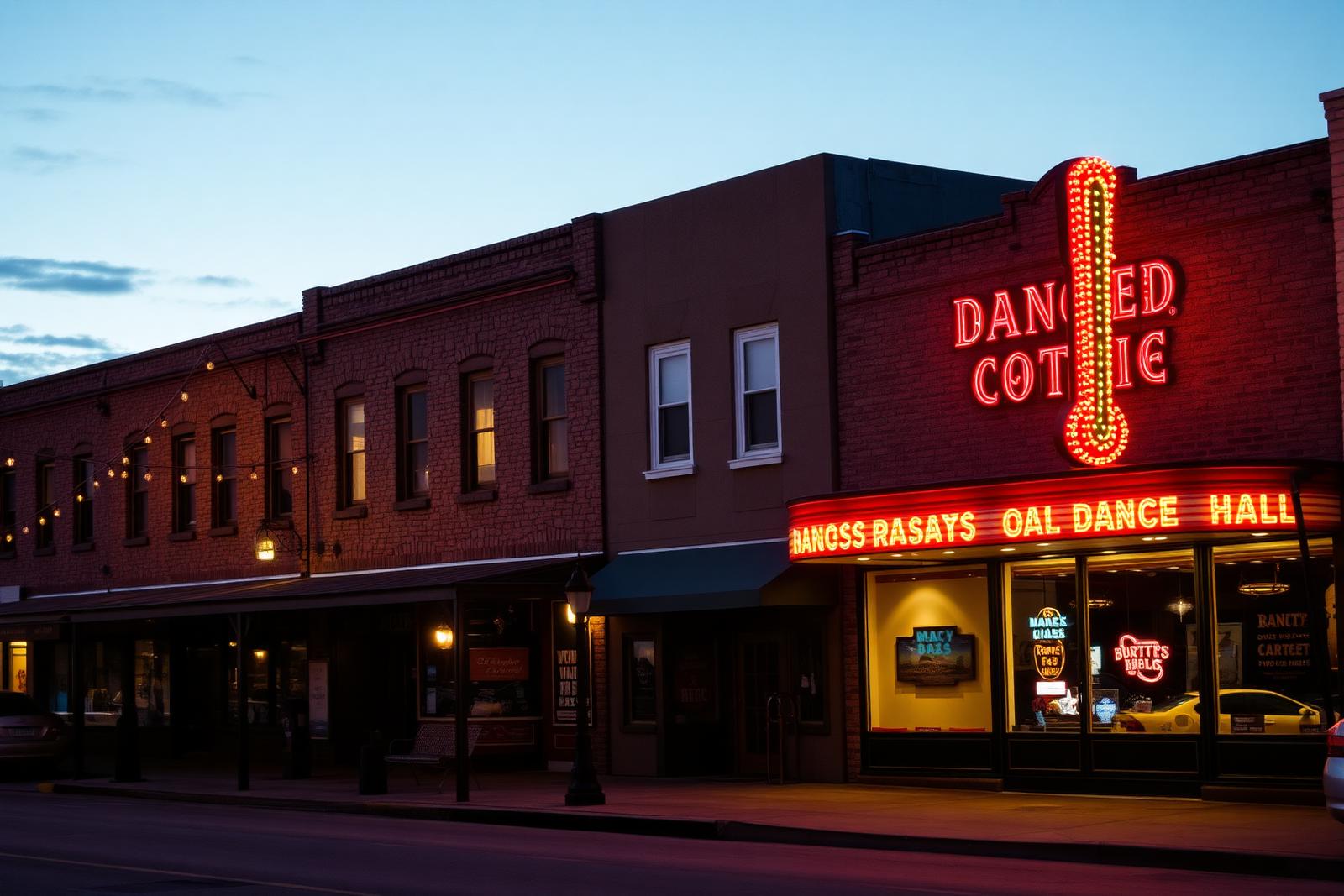
Bastrop's visitor appeal begins with the fact that its history and landscape overlap in a very small area. The city was incorporated during the Republic of Texas era, and historic downtown preserves a dense collection of buildings, shops, restaurants, cultural venues and civic landmarks near the Colorado River. The Old Iron Bridge now works as a pedestrian connection and viewpoint, giving visitors a direct transition from downtown streets to the river rather than forcing history and outdoor recreation into separate parts of the trip.
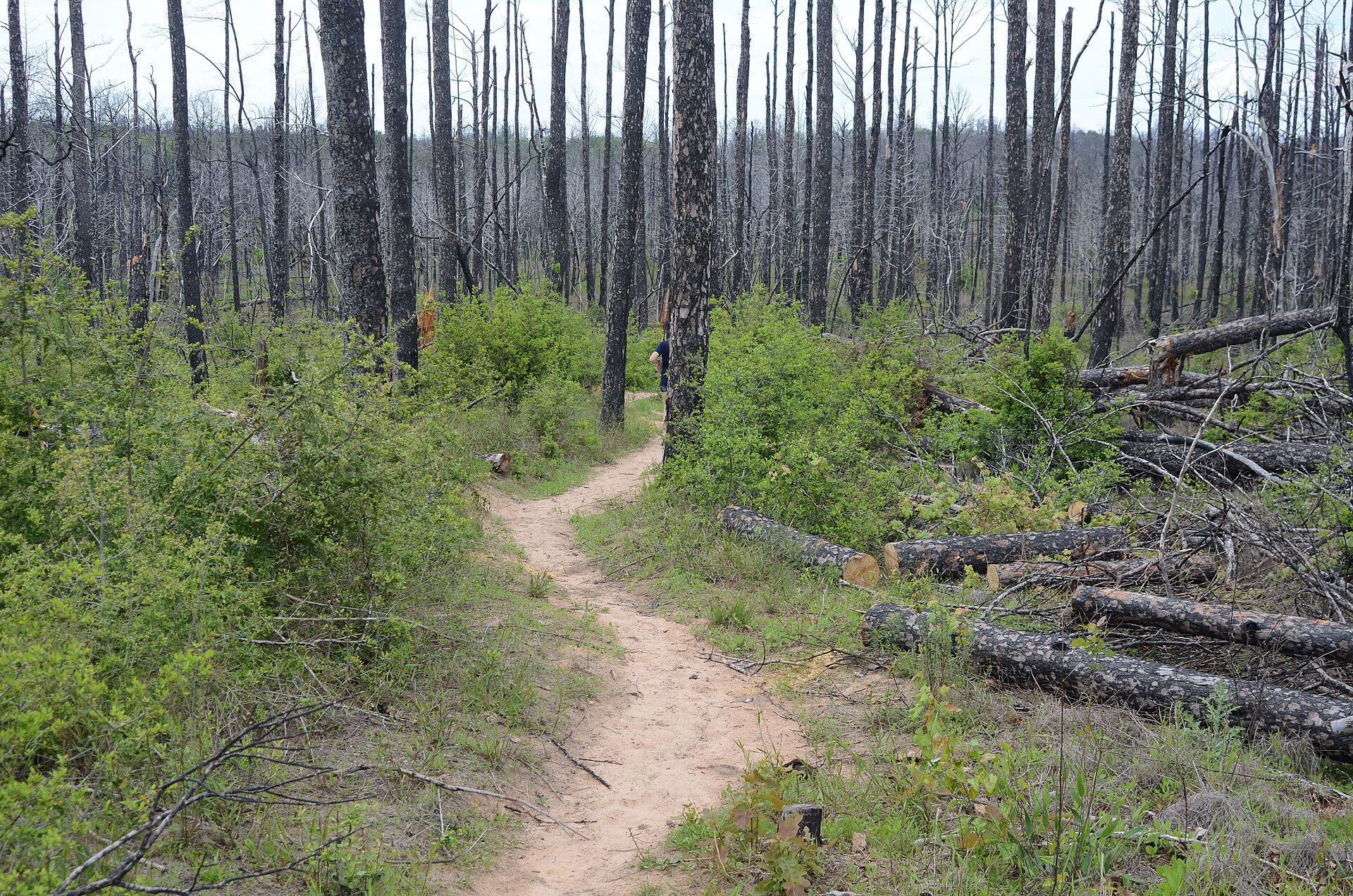
The Lost Pines make Bastrop geographically distinctive. This isolated stand of loblolly pine lies far west of the main East Texas pine forests, and Bastrop State Park protects a major piece of that landscape along with Civilian Conservation Corps architecture, trails and camping. The Colorado River adds paddling and shoreline recreation, while local arts, film locations and the Bastrop Opera House broaden the itinerary beyond parks. That mix allows a traveler to build a full day without repeating the same kind of activity.
A practical first visit starts downtown before the day heats up, continues across the river or into a museum, and saves Bastrop State Park or paddling for a separate block rather than treating the park as a quick roadside stop. Wildfire, drought and flood conditions can matter more here than a generic weather forecast, so outdoor plans should remain flexible. A weekend gives enough time for one downtown-and-river day and one Lost Pines day, with nearby Smithville, Buescher State Park or other Bastrop County stops available if conditions are good.





.jpg%3Fwidth%3D1600)



%2C%2520San%2520Marcos%2C%2520TX.jpg%3Fwidth%3D1600)


.jpg%3Fwidth%3D1600)