Deep Ellum developed just east of downtown Dallas after the Houston and Texas Central and Texas and Pacific railroads crossed in the early 1870s. The district organization traces the neighborhood's birth to that railroad era and explains the name as an evolution of 'Deep Elm,' shaped by the way early residents pronounced Elm Street. The rail lines brought workers, industry, immigrant communities and new commercial activity into a district that became one of Dallas' most culturally significant neighborhoods.
Music is central to Deep Ellum's identity. By the early twentieth century, the district had become an important center for Black entertainment and blues, with musicians and recording activity helping establish a legacy that Dallas tourism sources still treat as foundational to the city's music story. That heritage later expanded through jazz, punk, rock and other scenes as venues opened, closed and the neighborhood moved through cycles of decline and revival.
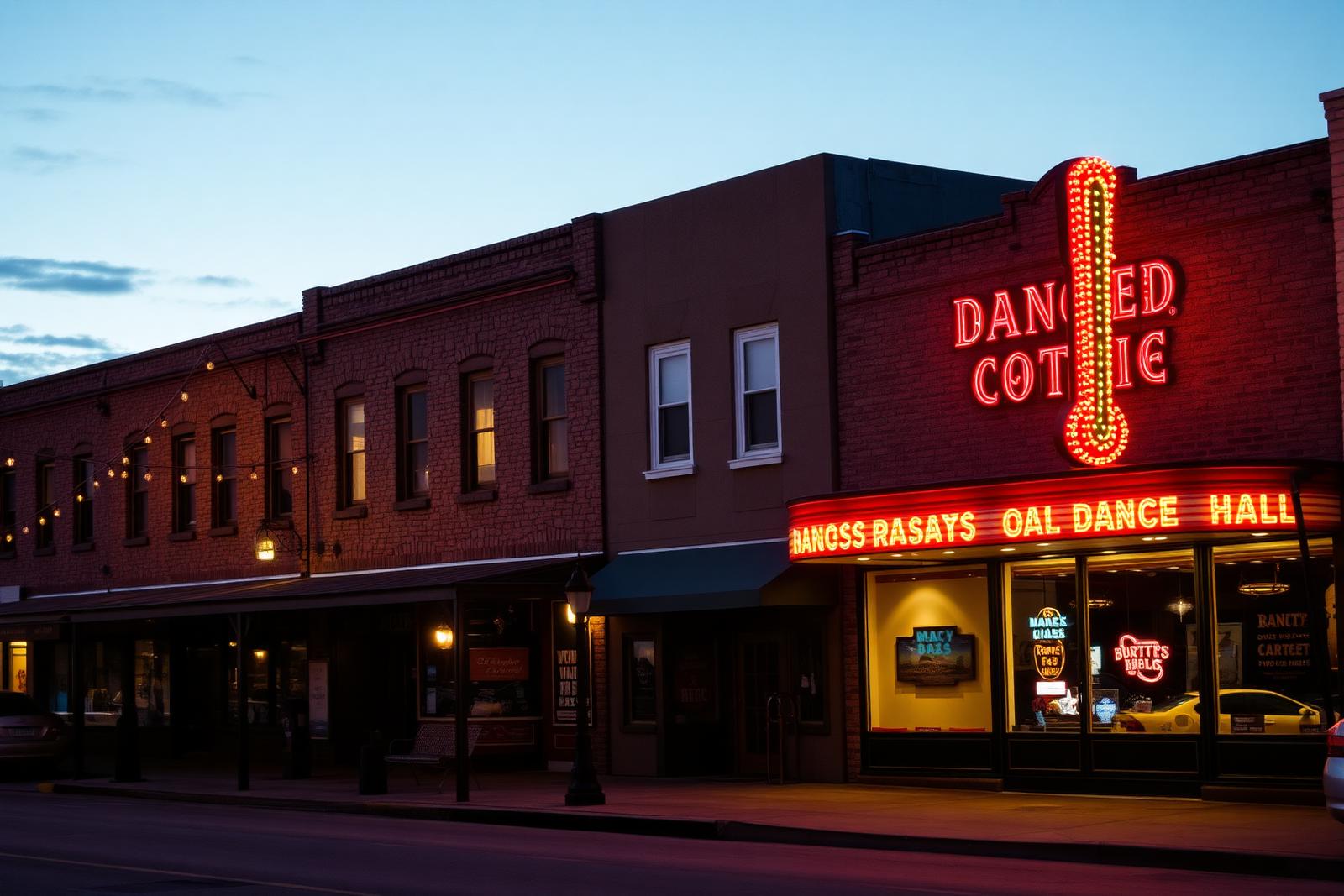
Today's Deep Ellum mixes that history with murals, galleries, restaurants, shops and a dense live-music and nightlife scene. The State of Texas designated Deep Ellum a Cultural District in 2020, and the Deep Ellum Historic District was listed in the National Register of Historic Places in 2023. Food, street-art and music tours can add context, but the durable destination is the neighborhood itself; visitors can explore it on foot while using current district and venue sources for changing schedules and operating details.


.jpg%3Fwidth%3D1600)


.jpg%3Fwidth%3D1600)

.jpg%3Fwidth%3D1600)
.jpg%3Fwidth%3D1600)

.jpg%3Fwidth%3D1600)



.jpg)
.jpg%3Fwidth%3D1600)