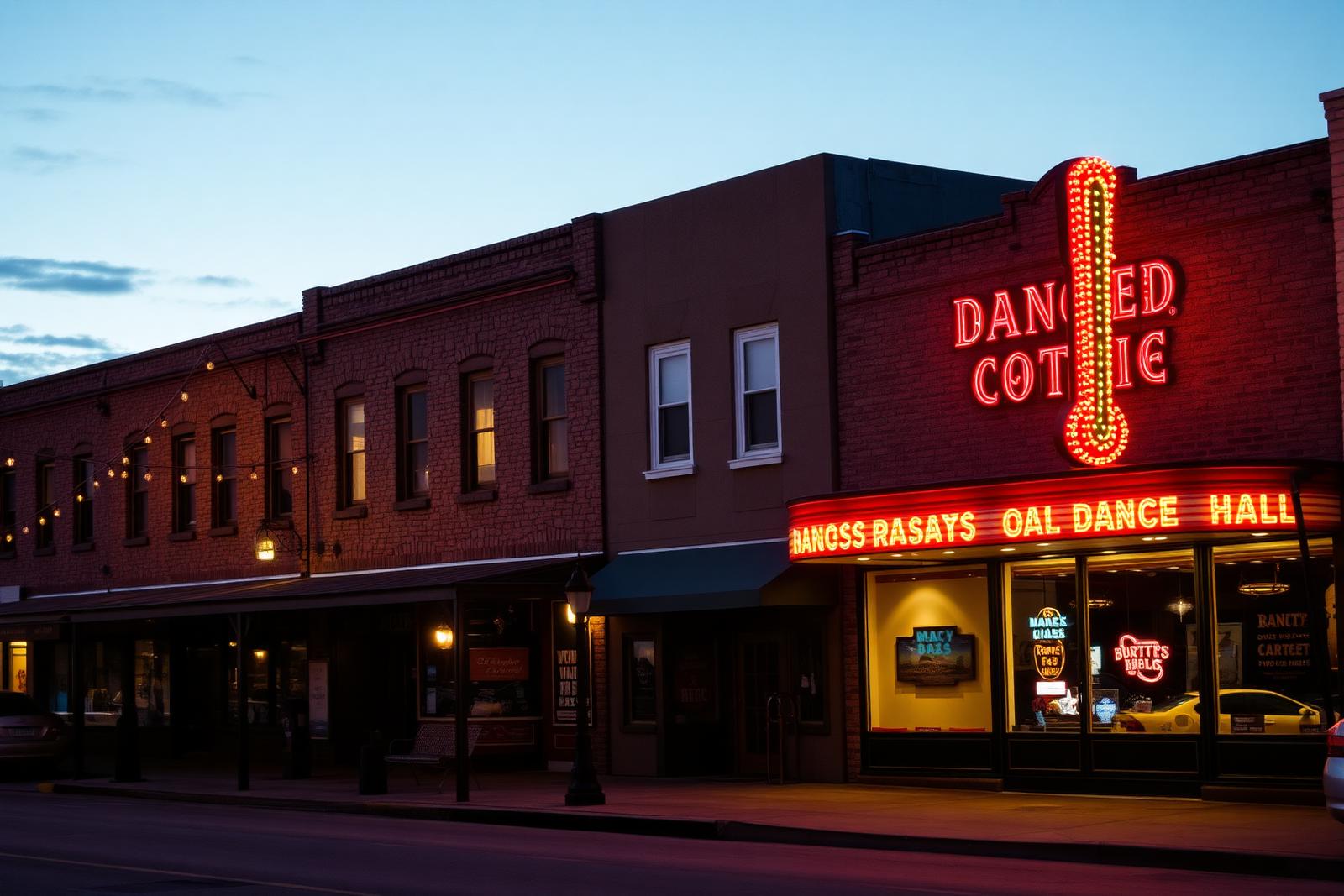
Palestine developed as an Anderson County seat and major railroad community, and those two roles remain visible in the city's architecture. Downtown contains commercial buildings, civic landmarks and neighborhoods from multiple periods, while the courthouse and railroad heritage help explain why the city grew into a regional center. Visit Palestine promotes more than a thousand historic sites and structures across the community, making architecture and self-guided touring a central part of the destination rather than a small side activity.
Rail history gives Palestine its most recognizable visitor experience. The Texas State Railroad operates excursions through the East Texas landscape, pairing historic rail travel with the wooded scenery that defines the region. Spring adds another identity through dogwoods, gardens and seasonal events, while museums and cultural stops provide indoor alternatives when weather is poor. This combination supports both a history-focused trip and a family weekend without requiring every hour to revolve around the train.
A first visit should separate the ticketed railroad experience from downtown exploration instead of expecting both to fit casually into a short afternoon. Reserve the train first if it is the priority, then build walking, museums and food around that fixed time. Dogwood and holiday periods can create significant demand for lodging and popular departures. One or two nights make it possible to see the architecture and neighborhoods at a slower pace while still allowing a substantial rail or Piney Woods excursion.



.jpg%3Fwidth%3D1600)





.jpg%3Fwidth%3D1600)



.jpg%3Fwidth%3D1600)

.jpg%3Fwidth%3D1600)