Small Towns
How to Read a Texas Small Town
Start at the courthouse, find the old commercial street, ask what still opens before eight and stay long enough to see the town as more than a photo stop.
The quickest way to misunderstand a Texas small town is to arrive, photograph the courthouse, buy something labeled local and leave in forty minutes. The better towns reveal themselves slowly. Their useful landmarks are not always the prettiest buildings; they are the places that tell you what the town was built to do and what it still does now.
Start with the square
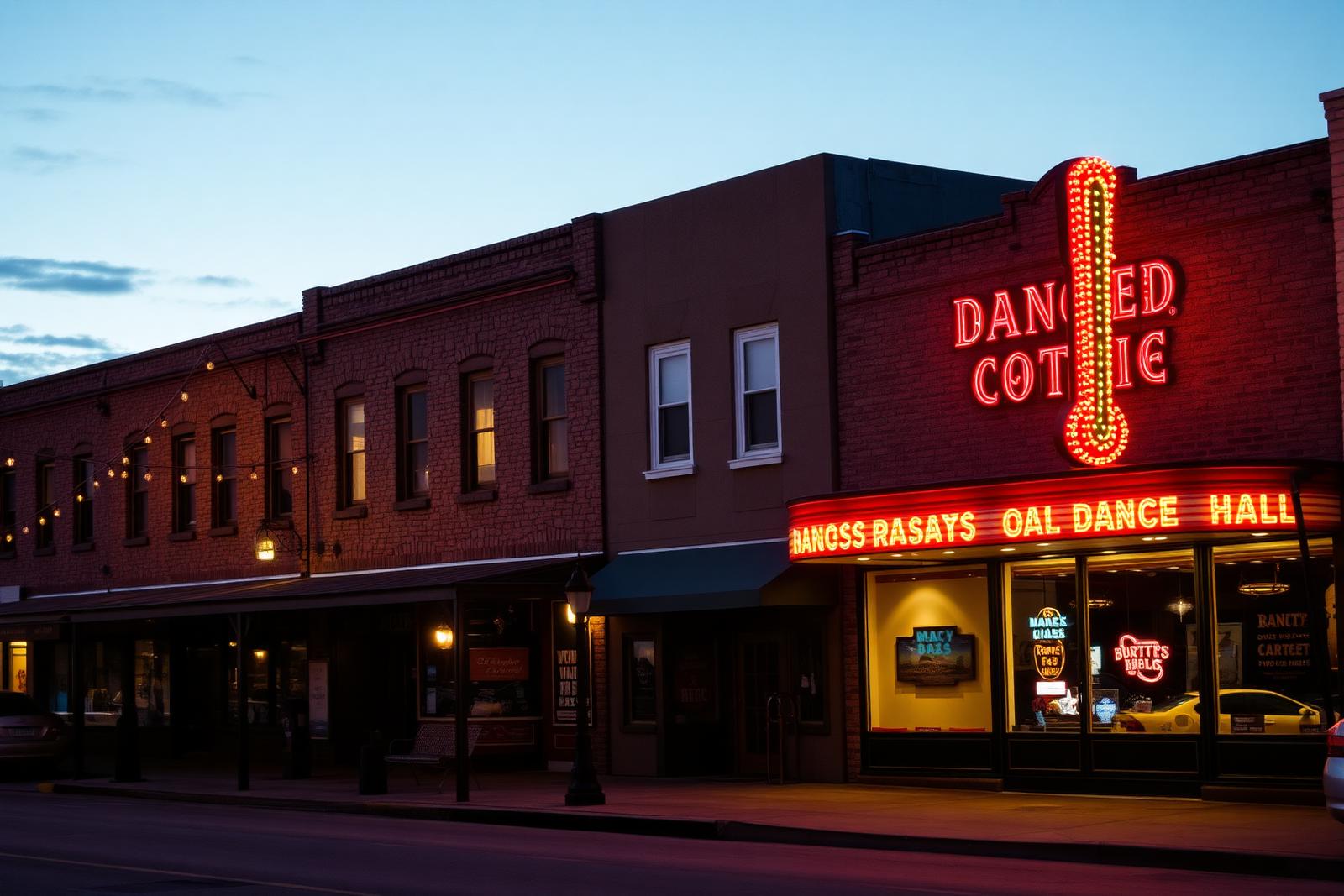
In county seats, the courthouse is often the original organizing device. Walk the full square before choosing a shop. Look up at second-story windows, old bank lettering and faded signs. The ground floor may have changed tenants dozens of times while the upper floors still show the scale and ambition of the town when rail, cotton, cattle or oil money was moving through it.
Find the business locals use on Tuesday
A destination restaurant can be excellent, but the better clue is the breakfast counter, hardware store, feed store, bakery or cafe that has to survive the rest of the week. Those places tell you whether the town is functioning as a community or mainly as a weekend backdrop. Neither is automatically bad, but they create different visits.
Ask what made the town
Texas towns often make more sense once you know the original economic reason for the place. Some were railroad stops. Some were county seats. Others grew around cotton, cattle, timber, oil, military posts or immigration communities. The architecture, street grid and local museum usually become more legible once that first purpose is clear.
Stay through late afternoon
Morning belongs to deliveries and coffee. Midday belongs to visitors. Late afternoon is when a town often settles back into itself. That is the moment to walk residential blocks around the center, notice churches and schools, and see whether the square is still part of everyday life.
- Park once and walk when the town allows it.
- Respect private buildings even when their architecture is photogenic.
- Check opening days; many small-town businesses close early or keep limited weekday hours.
- Use local museums as orientation, not as an obligation.
- Buy something from a business that could plausibly still be there next year because you did.
“A good small-town visit leaves you knowing what the place does, not just what its courthouse looks like.”
The towns worth returning to are rarely perfect. They have empty storefronts next to restored ones, old families next to newcomers, and history that is still being argued over. That tension is not a flaw in the experience. It is the experience.
Filed under
- small towns
- courthouse squares
- weekend
- main street
From the magazine