Galveston Bay is the largest of Texas' estuaries and one of the largest in the United States. The Galveston Bay Estuary Program describes the system as the meeting place of freshwater and Gulf saltwater, creating a productive coastal environment that connects rivers, wetlands, shorelines and the Gulf of Mexico rather than functioning as a single beach or park.
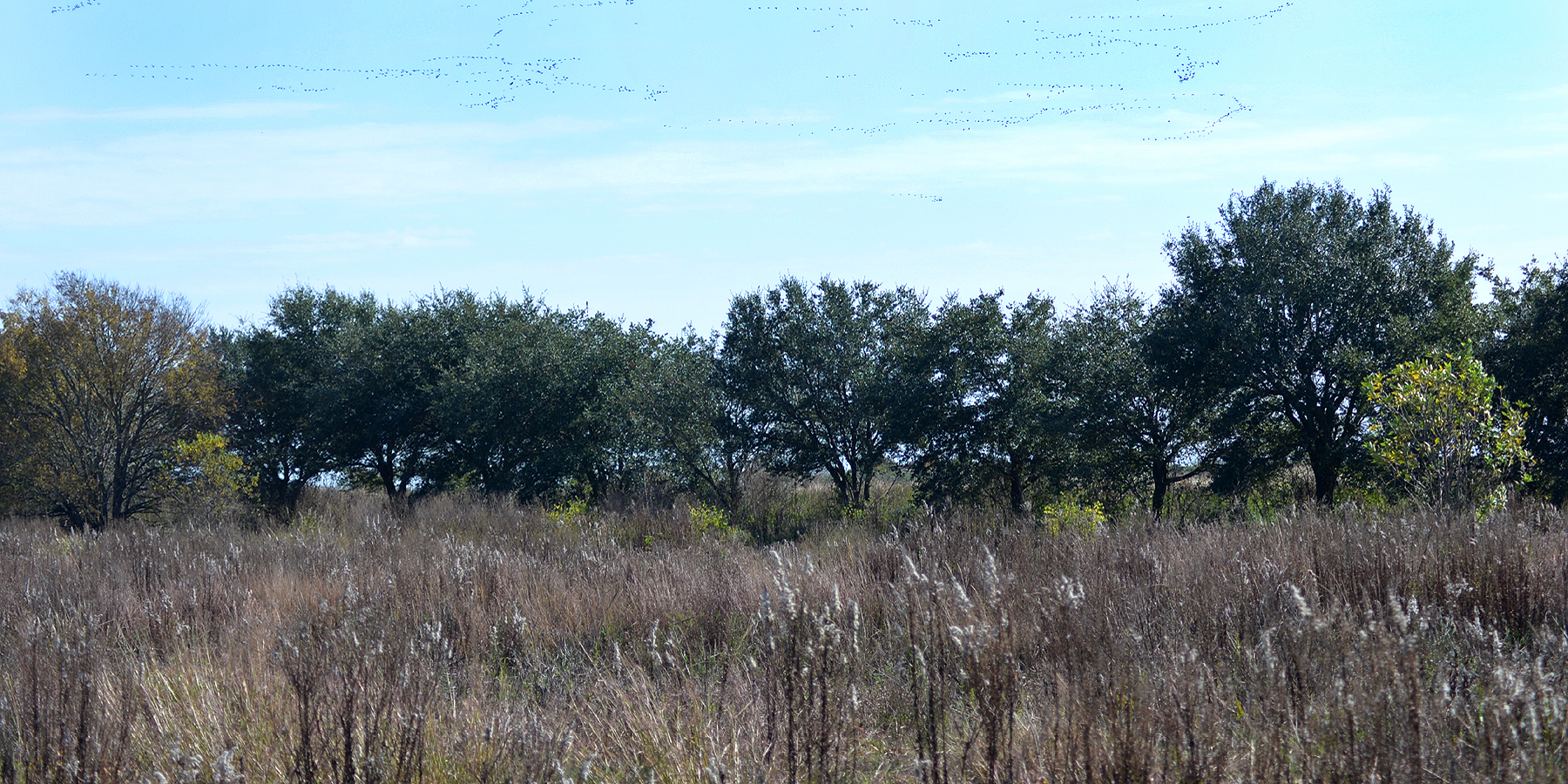
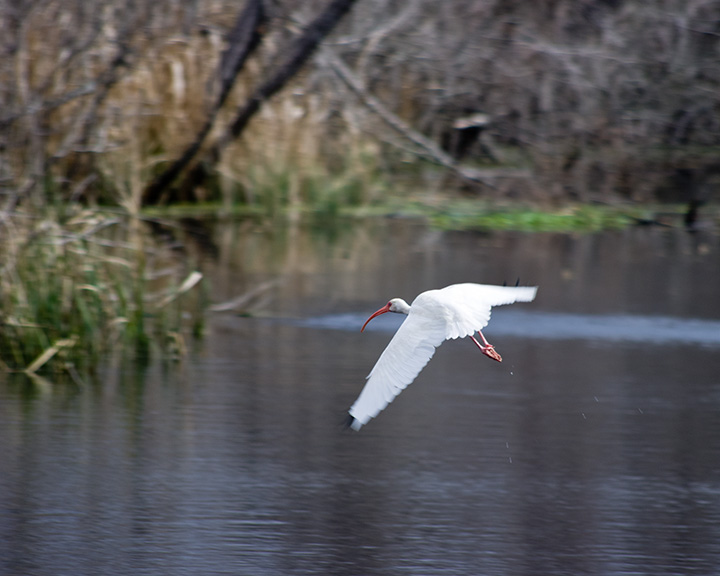
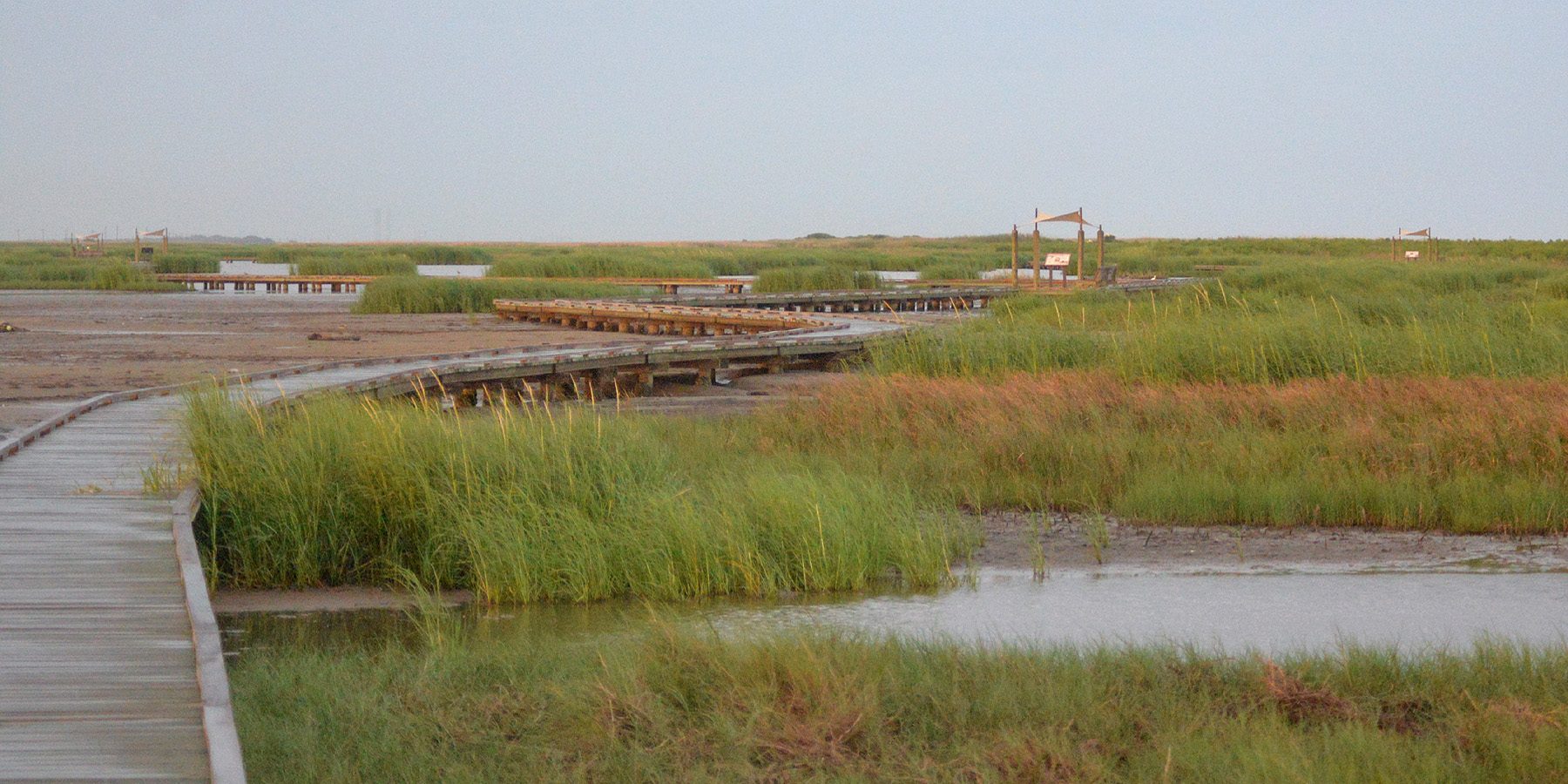
The bay's ecological value comes from its variety. Marshes, oyster reefs, seagrass areas, open water and surrounding coastal habitat support fish, shrimp, birds and other wildlife. Texas Parks and Wildlife describes the open bay's soft-bottom waters and plankton-rich food web as important habitat for young commercially important fish and shrimp, while the wider estuary supports recreation and working-waterfront uses at the same time.
For visitors, the right way to experience Galveston Bay depends on the activity: fishing, sailing, paddling, wildlife viewing and shoreline stops all use different access points around the estuary. Commercial cruises and charters can be useful ways to get onto the water, but the durable destination is the bay itself. Current public weather, tide, marine-safety and local access information should control any time-sensitive trip plan.


.jpg%3Fwidth%3D1600)


.jpg%3Fwidth%3D1600)