guides
Austin I-35 Traffic: Why It’s Worse & What Construction Changes
Austin’s I-35 rebuild is adding years of lane shifts and closures. See what TxDOT is building, the project timelines, and how to check current conditions.
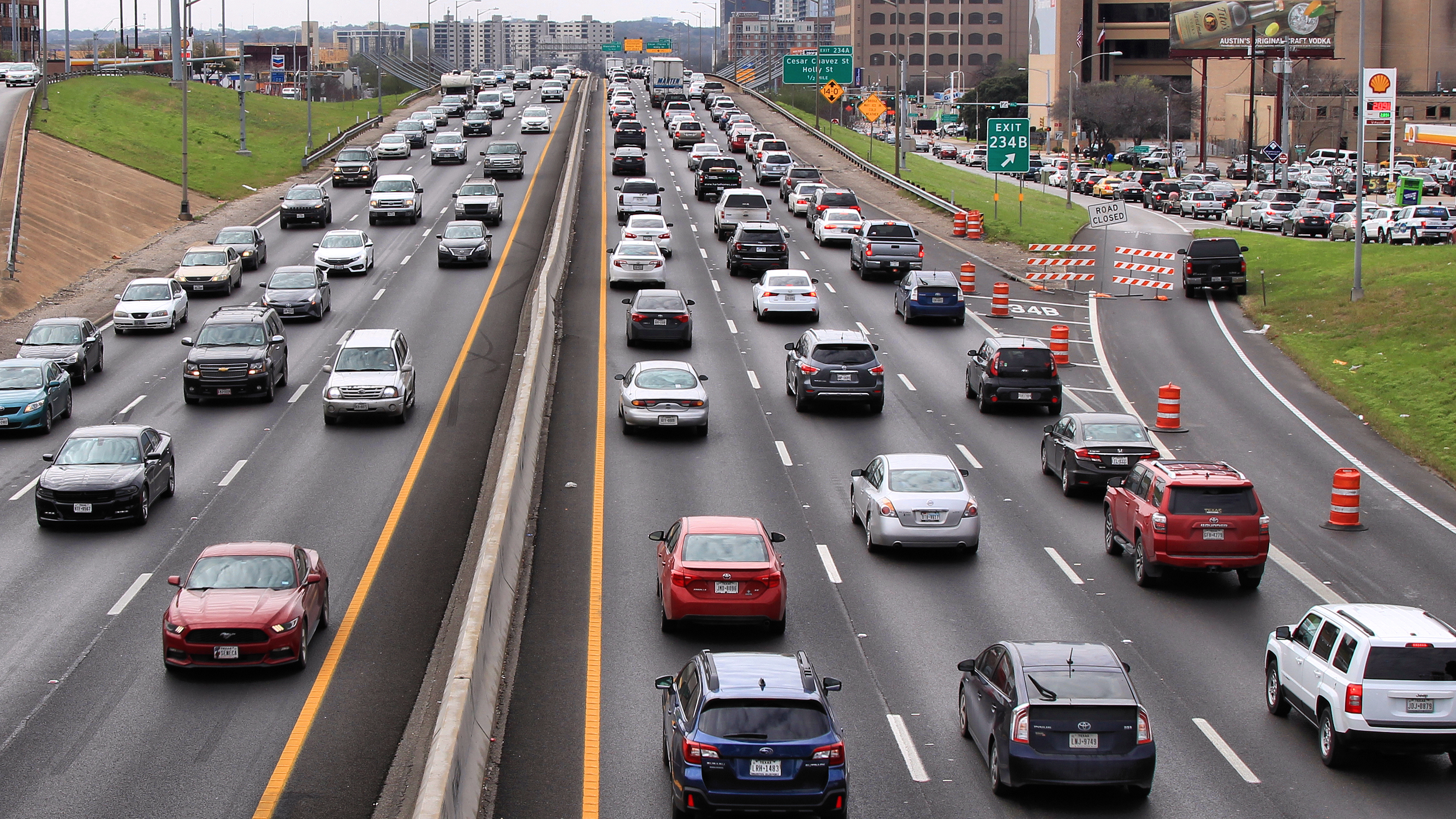
Austin drivers do not need a viral post to tell them I-35 is congested. What has changed is that the corridor’s long-running traffic problem is now layered with one of the largest highway reconstructions in Texas. TxDOT’s I-35 Capital Express program is rebuilding and expanding the interstate through North, Central and South Austin in overlapping projects, which means the road is carrying today’s demand while work is underway on tomorrow’s configuration.
Three major projects are happening on the same corridor
TxDOT’s Texas Clear Lanes program lists three Capital Express projects. The Central segment, from US 290 East to US 290 West, has a stated 2024–2033 timeline and a cost of about $4.5 billion. The North segment, from SH 45 North to US 290 East, runs on a 2023–2029 timeline at about $606 million. The South segment, from US 290 West to SH 45 Southeast, is listed for 2022–2028 at about $548 million. In other words, construction pressure is not a single downtown work zone; it stretches across the metropolitan corridor.
What TxDOT says is being added
The Central project is designed to add two non-tolled managed lanes in each direction. The North project adds one non-tolled managed lane in each direction, and the South project adds two. The Central design also substantially reconstructs the downtown highway. Those improvements may increase capacity and change how local and through traffic move, but the construction itself requires lane shifts, closures, ramp changes and temporary patterns that can make an already fragile commute feel worse.
Why congestion keeps returning
Austin has added people, jobs and trips for decades while I-35 remains the primary north-south spine through the city and one of the most important interstate routes in Texas. Congestion is therefore not caused by one bad interchange or one construction crew. It is the result of regional growth, concentrated travel demand, limited alternate north-south paths, crashes and weather disruptions, plus the temporary friction of building a much larger project inside an operating freeway.
Construction can make travel times less predictable
A driver can tolerate a slow commute better than an unpredictable one. Major freeway reconstruction changes the location of entrances, exits, shoulders and lane assignments. Work that happens at night can still affect morning patterns, and a crash near a narrowed work zone can have an outsized impact. That is why a trip that was 25 minutes one day can take much longer the next even when the overall traffic volume feels similar.
The best tool is not a viral traffic post
For a trip happening today, use DriveTexas for current state-highway closures and conditions, then check the Capital Express project pages for longer-term construction information. City street closures and special-event closures may appear on local Austin channels rather than TxDOT’s statewide system, so downtown trips should be checked against both.
Will the finished project 'fix' Austin traffic?
No credible transportation project can promise a permanent end to congestion in a fast-growing metro area. The fair question is narrower: will the rebuilt corridor move people more reliably and safely than the existing one, and how will travel patterns change once the managed lanes and redesigned interchanges are open? That outcome will be measurable only after the projects are completed and traffic settles into the new network.
What to expect through the rest of the decade
The South and North projects are scheduled to finish before the Central segment, but the overall corridor remains a long-duration construction environment. Travelers should expect continuing changes rather than one final closure date. If you commute the corridor regularly, the most useful habit is to check the current pattern instead of relying on memory; ramps and lane arrangements that were familiar last month may not be the best route next month.
Sources and further reading
- TxDOT Texas Clear Lanes — Austin projects: https://www.txdot.gov/texasclearlanes/projects/austin.html
- DriveTexas — current highway conditions: https://conditions.drivetexas.org/current/
Image credit: Larry D. Moore · CC BY 4.0 · Wikimedia Commons
Primary source: Texas Department of Transportation ↗
Filed under
- Austin
- I-35
- traffic
- TxDOT
- Capital Express
From the magazine
More stories to read next
The Texas Guidebook
Texas by Season: A Practical Bucket List for Spring, Summer, Fall and Winter
August 20, 2026 · About 14 minutes
The Texas Guidebook
20 First-Time Texas Travel Mistakes—and How to Avoid Them
August 20, 2026 · About 16 minutes
The Texas Guidebook
21 Texas Traditions You Should Experience at Least Once
August 20, 2026 · About 16 minutes