guides
20 First-Time Texas Travel Mistakes—and How to Avoid Them
Texas trips usually go wrong for predictable reasons: too much driving, weak weather planning, bad timing and assuming every famous stop works the same way. Here is how to build a trip that survives contact with the map.
Most disappointing first trips to Texas fail before the traveler arrives. The itinerary assumes famous cities are close together, treats August like a mild sightseeing month, builds every meal around a viral restaurant, or leaves no room for storms, road construction and state-park reservations. Texas is easier to enjoy when the trip is organized around one or two regions instead of a statewide highlight reel. The official Texas travel guide can help with regional planning, while TxDOT, park agencies and venue operators should be used for the conditions that can change close to departure.
Mistake 1: trying to see the whole state in one trip
Dallas-Fort Worth, Houston, San Antonio, Austin, Big Bend and the Panhandle do not form a convenient loop for a short vacation. Connecting all of them can turn a week into a sequence of highways and hotel check-ins. Choose one broad region and one secondary area instead. A first trip might combine Austin and San Antonio, Houston and Galveston, Dallas-Fort Worth and a nearby small-town route, or a dedicated West Texas itinerary. Seeing less geography often produces a much stronger sense of place.
Mistake 2: believing map time is the whole drive
A navigation app gives movement time, not the full cost of the travel day. Fuel, food, restrooms, traffic, tolls, construction, weather and scenic stops all add time. Rural West Texas also rewards conservative fuel planning because services can be far apart. Treat a four-hour map estimate as the core of the day rather than a promise that you will arrive exactly four hours after checkout. Long Texas driving days become safer and more enjoyable when the itinerary contains slack.
Mistake 3: scheduling summer like spring
Summer heat changes what is reasonable outdoors. A hike that sounds easy at noon in March may be a poor plan at the same hour in July. Move exposed outdoor activity toward morning, use indoor museums or long meals during peak afternoon heat, carry more water than you expect to need and take heat warnings seriously. Gulf Coast humidity and inland heat feel different, but both can affect a traveler who builds the day around walking. Summer can still be an excellent Texas season when the schedule works with the climate instead of challenging it.
Mistake 4: treating Texas weather as one forecast
Texas weather is regional. A Gulf Coast forecast does not tell you what is happening in the Panhandle, and a sunny morning in Central Texas does not eliminate flash-flood or thunderstorm risk later. Long road trips can cross several forecast zones. Check conditions along the route, not only at the hotel. In severe-weather seasons, have a way to receive warnings and know where you would go if conditions deteriorate. Winter travelers should also remember that Texas can experience freezes, ice and sharp cold fronts even when another part of the state remains mild.
Mistake 5: assuming a state park is a spontaneous walk-in
Popular Texas state parks can reach capacity, especially on pleasant weekends, holidays and wildflower-season dates. If a park is an anchor for the trip, check Texas Parks and Wildlife before departure and reserve entry when the park recommends it. This matters at places such as Enchanted Rock and other heavily visited destinations where arriving without a plan can cost the most valuable hours of the day. Keep one backup park, historic site or town nearby so a reservation problem does not erase the itinerary.
Mistake 6: using famous restaurants as rigid clock appointments
Texas barbecue and other destination restaurants can have lines, sellouts or limited operating days. Some famous barbecue places make more sense as lunch than dinner because the day's meat supply does not wait for your schedule. Check current hours directly with the business, decide how much line time you are willing to spend, and keep a second option. A strong Texas food trip should reveal regional eating, not force you to sacrifice half a day because one social-media list ranked a specific counter first.
Mistake 7: visiting only the four biggest metro areas
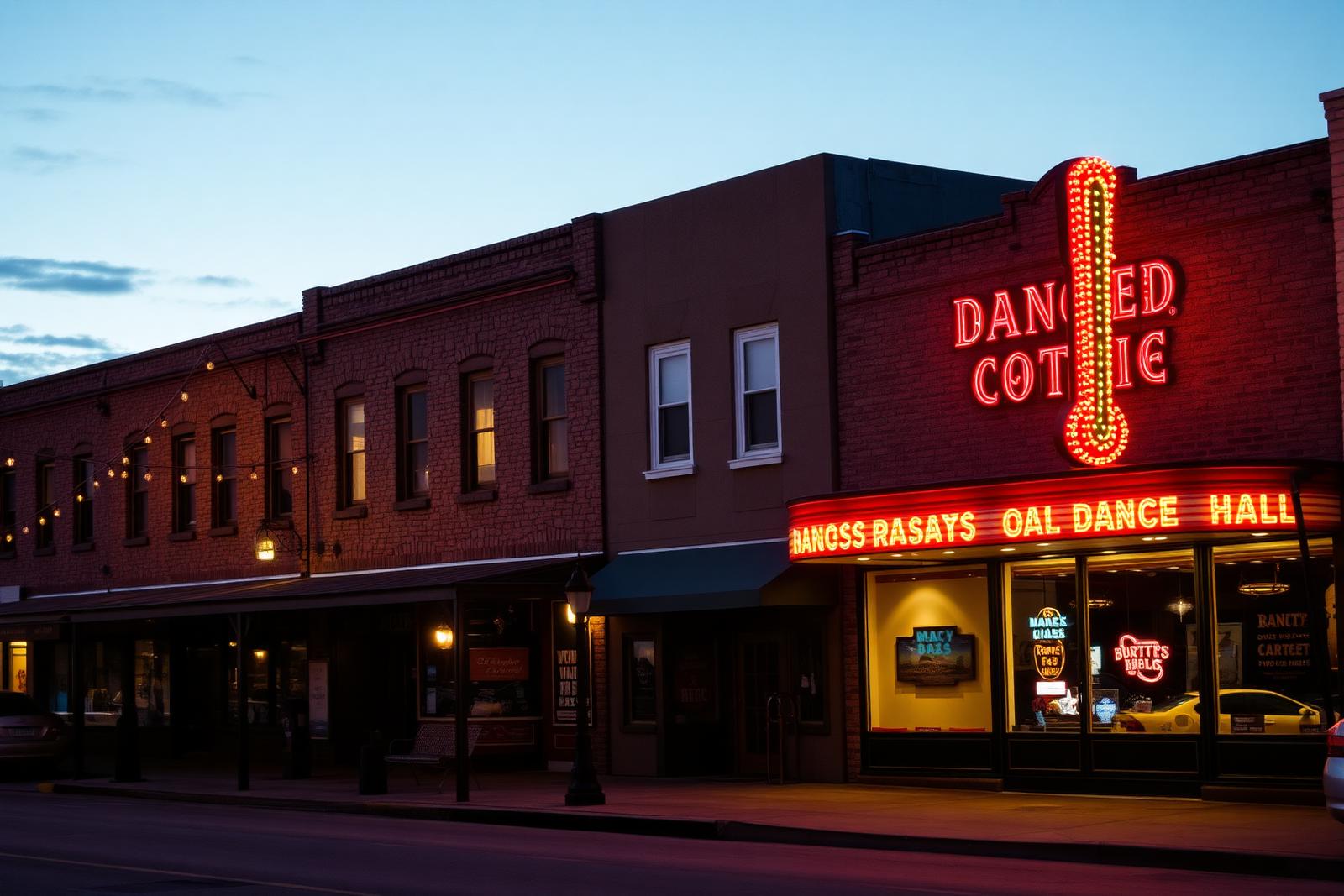
Major cities are important, but the spaces between them explain a great deal about Texas. Courthouse squares, small museums, bakeries, dance halls, historic districts, rivers and state parks make road trips more than transit between skylines. Add one deliberate small-town stop on a driving day. It can be as simple as walking a courthouse square, eating at a local cafe or visiting a county museum. The goal is not to romanticize small towns; it is to see how settlement patterns and local identity change outside the largest metros.
Mistake 8: expecting public transportation to solve every city
Texas metros are generally car-oriented, and attractions can be spread across large areas. Transit exists in major cities, but coverage and convenience vary. Before booking a hotel, map the places you actually intend to visit and test the trip at realistic times. A cheaper room far from the itinerary may create rental-car, rideshare, parking and toll costs that erase the savings. Downtown-heavy trips can sometimes reduce driving; region-wide trips usually cannot. Transportation should be designed into the itinerary rather than discovered after arrival.
Mistake 9: assuming the Gulf Coast is one kind of beach trip
Galveston, Port Aransas, South Padre Island and smaller Gulf communities offer different beach, fishing, boating and town experiences. The Texas Gulf is warm, shallow and storm-exposed, and water clarity or surf conditions can vary with weather and location. Choose the coast for what it actually offers instead of comparing every shoreline with California, Florida or the Caribbean. Check beach rules, current conditions and hurricane-season forecasts before a coastal trip, and leave enough time for the town or natural areas beyond the sand.
Mistake 10: reducing San Antonio history to one building
The Alamo is important, but San Antonio's mission history extends beyond downtown. The National Park Service sites along the mission corridor help explain a broader colonial landscape, Indigenous communities, agriculture and settlement. A traveler who spends all available history time at one crowded downtown site misses the scale of the story. If history matters to your visit, allow time for the mission trail, museums or historic neighborhoods and use official visitor information for operating details.
Mistake 11: turning every Texas attraction into a checklist
Texas rewards slower travel because distances make constant attraction-hopping exhausting. Instead of collecting ten photo stops, choose one anchor that deserves several hours and one flexible secondary stop. Palo Duro Canyon, a mission complex, a state park, a historic downtown or a museum district works better when you have enough time to notice it. This also creates room for a local recommendation, weather delay or roadside detour without making the entire day feel behind schedule.
Mistake 12: ignoring the calendar around major events
The State Fair of Texas, major rodeos, football weekends, SXSW, Fiesta and other events can change hotel prices, parking, restaurant demand and traffic. An event can be the best reason to visit a city or an expensive surprise if you did not know it was happening. Check the Texas events calendar before booking. If your dates overlap a major event, decide whether you want to participate; then either plan around it deliberately or choose a different neighborhood or weekend.
Mistake 13: treating West Texas as a quick side trip
Big Bend country, Fort Davis, Alpine and Marfa are worth visiting precisely because they are remote. That remoteness makes them poor add-ons to a packed Austin, Dallas or Houston itinerary. Give West Texas dedicated days, keep fuel conservative, verify park and business hours and respect the distance between lodging and trailheads. Sunrise, sunset and dark skies can be more important than squeezing another attraction into midday. The landscape becomes the trip rather than the scenery between stops.
Mistake 14: forgetting that flash flooding is a road problem
Central and West Texas roads can cross low-water areas and dry-looking channels that become dangerous during heavy rain. Never drive around barricades or through water covering a roadway. A scenic back-road route should have a weather backup, especially when thunderstorms are possible. This is one reason a route-wide forecast matters. A road that was fine on the way to lunch may not be appropriate later after a storm upstream, and a rigid itinerary is never worth gambling with moving water.
Mistake 15: packing only for heat
Texas can surprise visitors with strong cold fronts, wind, rain and large day-to-night temperature changes, especially outside midsummer. West Texas desert areas may cool quickly after sunset, while the Panhandle can experience very different winter conditions from the Gulf Coast. Check the actual regional forecast shortly before departure and bring layers when the range calls for them. One statewide packing stereotype is not enough for a trip that crosses multiple regions.
Mistake 16: assuming every iconic photo stop is public land
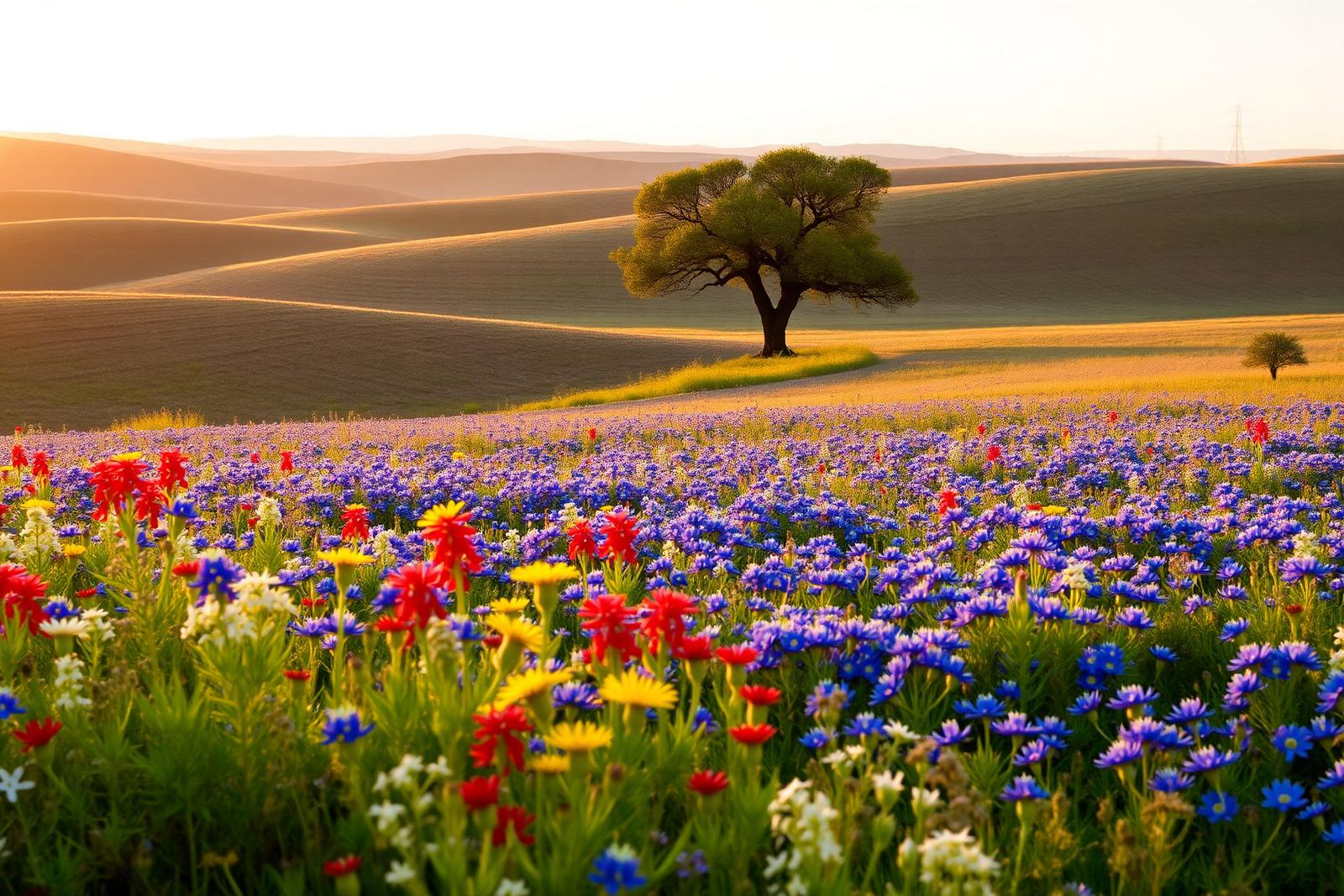
Much of Texas is privately owned. A beautiful wildflower field, ranch gate, riverbank or historic-looking building beside a road is not automatically open to visitors. Stay on public rights-of-way where stopping is legal, respect fences and posted property, and use designated access points for rivers and natural areas. Wildflower season especially tempts drivers to make unsafe roadside stops. A photograph is not worth trespassing, blocking traffic or damaging the place you came to see.
Mistake 17: making the interstate the entire experience
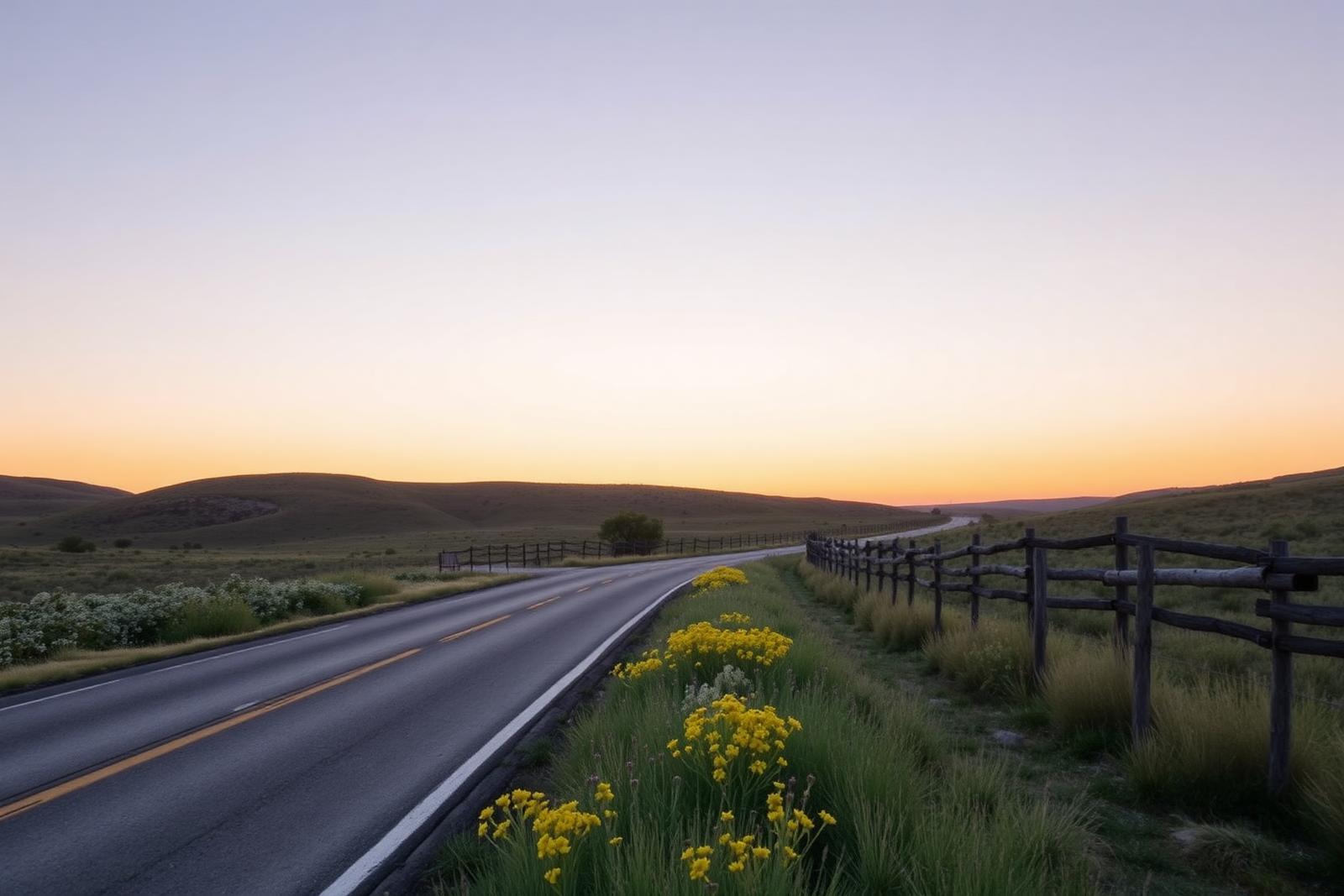
Interstates are excellent for covering distance, but a trip that never leaves them can flatten Texas into gas stations and frontage roads. When time allows, use a farm-to-market road, historic highway segment or county-seat stop to add texture. Do this strategically rather than wandering without fuel or daylight. The strongest scenic detours connect destinations you already planned to visit and still leave enough time for safe arrival.
Mistake 18: refusing to change the plan
Weather, crowds, sellouts and closures happen. A resilient itinerary has a second lunch option, an indoor weather backup, one flexible afternoon and at least one attraction that can be dropped without ruining the trip. This is especially important in a state where moving between regions can consume hours. Flexibility is not poor planning; it is the planning technique that keeps a Texas trip enjoyable when conditions change.
Mistake 19: choosing a hotel before choosing the trip
A hotel deal is only useful if it supports the itinerary. In Houston, Dallas-Fort Worth, Austin and San Antonio, a property on the wrong side of the metro can add substantial driving every day. In rural areas, a hotel that looks 'near' a park may still be a long distance from the entrance or trailhead. Choose the anchor activities first, then evaluate lodging by real travel time, parking, evening options and the direction you need to leave the next morning.
Mistake 20: leaving no room for the place you did not know about
One of the best Texas road-trip habits is leaving enough time to follow a recommendation you did not have before arrival. A county museum, bakery, scenic overlook, dance hall, local festival or unexpected downtown may become more memorable than the nationally known stop. You only get that option if the itinerary has breathing room. Plan the things that require reservations, verify the safety-sensitive details and let the rest of the trip remain flexible enough for Texas to surprise you.
A first-trip planning checklist
- Choose one primary Texas region instead of trying to cross the state repeatedly.
- Check route-wide weather and road conditions before long driving days.
- Reserve high-demand parks and ticketed events early when required.
- Build outdoor time around seasonal heat and daylight.
- Confirm restaurant and attraction hours directly.
- Map hotel-to-attraction travel times before booking lodging.
- Keep a weather backup and a second meal option.
- Respect private property and use legal roadside stops.
- Carry enough water and keep fuel conservative on remote routes.
- Leave one block of time open for an unplanned detour.
Primary source: Travel Texas — Official Texas State Travel Guide ↗
Filed under
- texas travel mistakes
- first trip to texas
- texas travel tips
- visiting texas
Plan the trip
Places connected to this story
Destinations explicitly tied to this article in the Texas Defined guide.
Terlingua
Chisos Basin, Big Bend
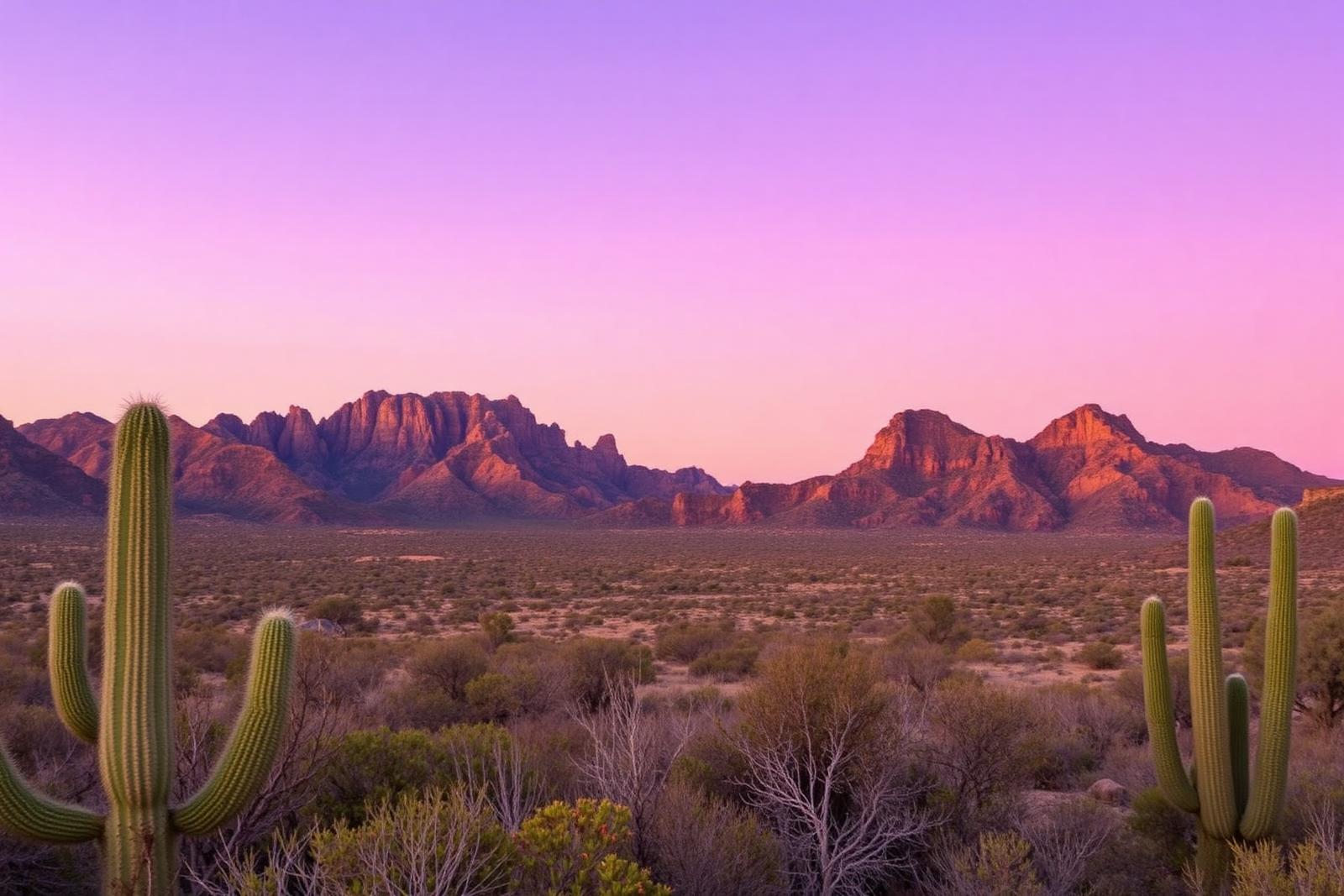
The mountain heart of Big Bend National Park, where the Chisos rise above the Chihuahuan Desert and major trails begin from a high-elevation basin surrounded by cliffs and iconic views.
Best season: Fall through spring for the broadest hiking comfort; always check current heat, weather and access alertsUpdated Aug 2026- Window View and Window Trail scenery
- High-elevation Chisos Mountains hiking
- Big Bend National Park dark skies
From the magazine
More stories to read next
The Texas Guidebook
Texas by Season: A Practical Bucket List for Spring, Summer, Fall and Winter
August 20, 2026 · About 14 minutes
The Texas Guidebook
21 Texas Traditions You Should Experience at Least Once
August 20, 2026 · About 16 minutes