guides
Texas by Season: A Practical Bucket List for Spring, Summer, Fall and Winter
Texas rewards travelers who match the trip to the calendar. Wildflowers, swimming holes, fairs, football, Gulf weekends and desert hikes each work best under different conditions.
There is no single best season for all of Texas because the state is too large and climatically varied for one calendar rule. Spring can be spectacular for Hill Country wildflowers while the Panhandle is still dealing with cold fronts. Summer can make an exposed inland hike a poor choice while creating the perfect excuse for a spring-fed swim or Gulf Coast weekend. Fall brings fairs, football and more comfortable road-trip weather, and winter can make Big Bend country far more inviting than it is in midsummer. The useful bucket list is therefore not a pile of attractions; it is a way to match places with the conditions that make them work.
Spring: build around wildflowers, mild mornings and weather awareness
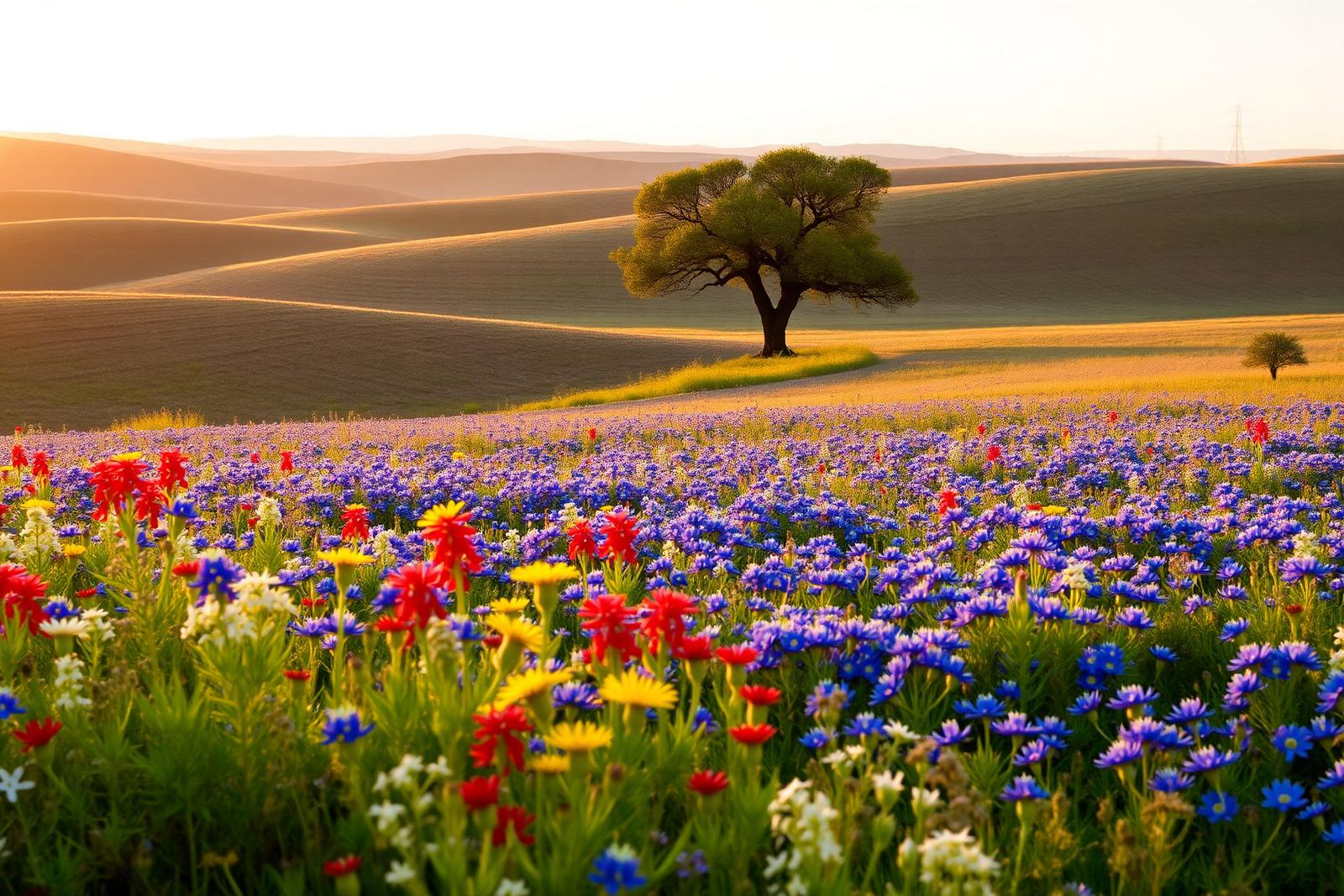
Spring is one of the easiest seasons for a first Texas road trip because many regions offer comfortable outdoor windows before sustained summer heat arrives. It is also highly variable. Bluebonnet timing depends on weather rather than a fixed date, thunderstorms can reshape a weekend quickly and popular parks can fill on beautiful Saturdays. Build the trip around flexible scenic routes, state parks, small towns and outdoor meals, then keep an indoor or urban backup for stormy periods.
Spring bucket list
- Drive a legal, safe Hill Country wildflower route when blooms are actually present.
- Use the bluebonnet field guide instead of relying on last year's social-media dates.
- Reserve a popular state park for a mild-weather hiking day.
- Pair Fredericksburg, Llano, Brenham-area countryside or another spring route with a small-town stop.
- Plan a courthouse-square lunch on a long driving day.
- Attend a spring rodeo, festival or cultural event that fits your region.
- Camp before overnight heat becomes a major concern.
- Use morning and late afternoon light for photography instead of stopping unsafely on road shoulders.
The biggest spring planning mistake is assuming the weekend will behave exactly like the seasonal average. Watch forecasts and severe-weather outlooks close to departure. If wildflowers are the main goal, confirm current bloom reports from reliable local or official sources and respect private property. If a state park is the anchor, check reservations before booking the rest of the day. Spring rewards flexibility because the same rain that disrupts one weekend can improve the landscape later.
Summer: move the outdoor day to the edges
Texas summer is not a reason to stay home, but it changes the clock. Exposed hiking, long downtown walks and unshaded festivals can become much harder in the hottest part of the afternoon. Move active outdoor time toward morning, use water destinations carefully, schedule museums and long meals during peak heat, and treat hydration as part of the itinerary. Coastal humidity, Central Texas heat and West Texas desert conditions are not identical, so check the actual forecast instead of using one statewide rule.
Summer bucket list
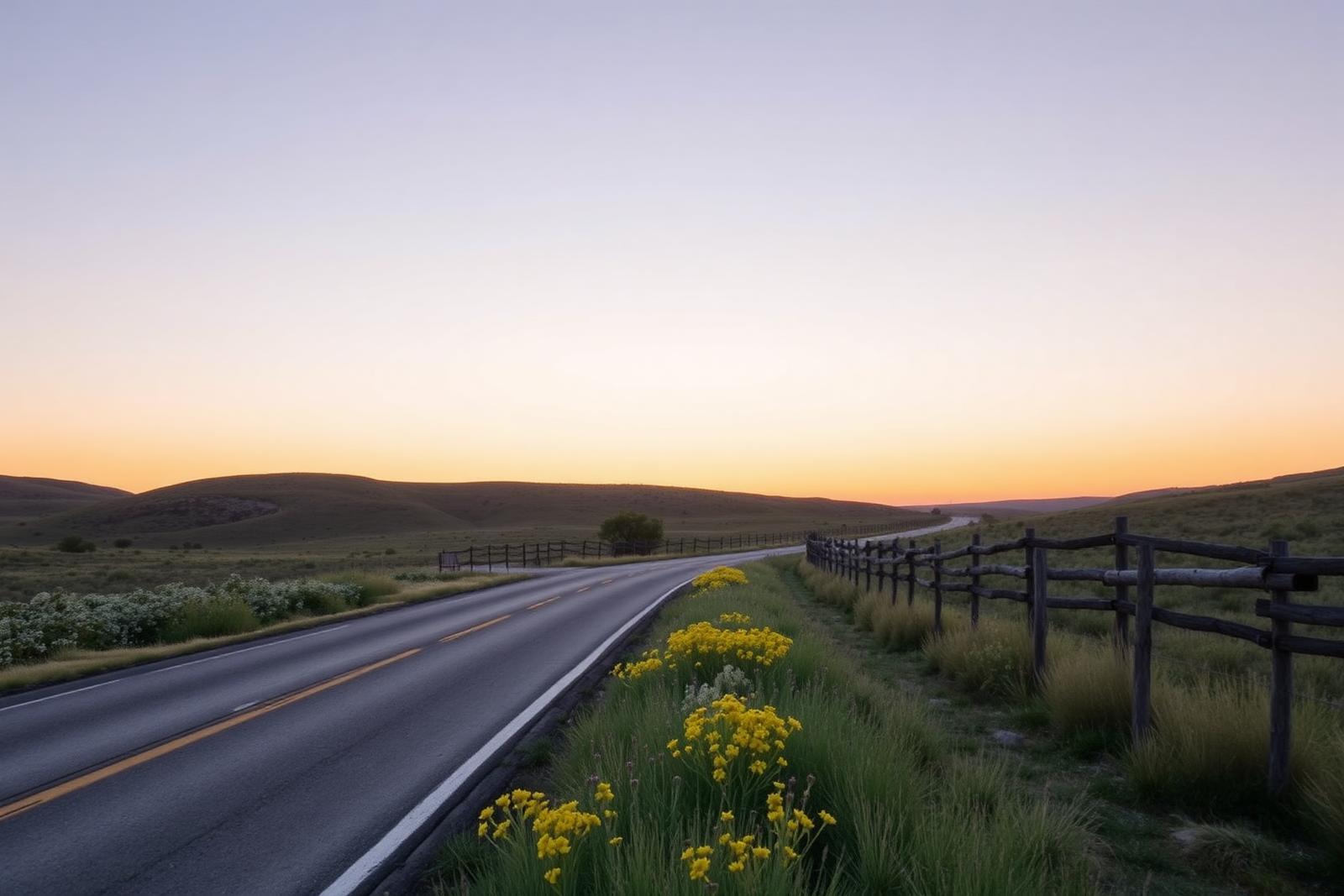
- Plan a Gulf Coast weekend around current beach and weather conditions.
- Swim at a spring-fed pool, river or park only when access and water conditions are open and safe.
- Start an outdoor hike early enough to finish before peak heat.
- Spend a hot afternoon in a museum, historic site or food-focused neighborhood.
- Build a lake or paddling day around shade, water and storm awareness.
- Take a breakfast-taco or barbecue road trip that starts early.
- Use sunset for a scenic drive or overlook rather than forcing a midday photo stop.
- Check hurricane-season forecasts before committing to a coastal itinerary.
Water should not be treated as an automatic summer solution. River levels, drought, flooding, algae advisories, reservations and temporary closures can all change access. Check the managing authority shortly before departure. A place that was swimmable in an old article may be hiking-only today. Summer planning works best when the water stop has a backup and the rest of the day includes air-conditioned options rather than assuming everyone can remain outdoors from breakfast to dinner.
Fall: use the calendar because events become the trip
Fall is one of Texas's strongest event seasons. The State Fair of Texas, football weekends, county fairs, music festivals and food events can become the centerpiece of a trip. Temperatures often become more comfortable for road travel as the season advances, but early fall can still feel like summer. Hotel demand and traffic can spike around major events, so the calendar becomes as important as the weather forecast. Decide whether a big event is the purpose of the trip before you choose lodging.
Fall bucket list
- Visit the State Fair of Texas during its operating season.
- Attend a Friday-night high school football game in a community where the ritual matters.
- Plan a college-football weekend only after checking hotel and traffic impacts.
- Camp or hike as temperatures become more comfortable.
- Look for fall color in the parts of East Texas, North Texas or Hill Country that actually develop it.
- Build a weekend around a county fair, food festival or live-music event.
- Take a two-lane road trip after summer heat eases.
- Use the events calendar to avoid accidentally booking into the most expensive weekend of the month.
Texas fall color is more localized and less predictable than in New England, so it should not be sold as a statewide guarantee. The better fall trip combines scenery with another reason to travel: a state park, small town, historic district, football game or festival. If color arrives early or late, the weekend still works. This is a useful rule for all seasonal travel—never make one weather-dependent phenomenon the only reason the itinerary succeeds.
Winter: move the map south and west, but keep watching cold fronts
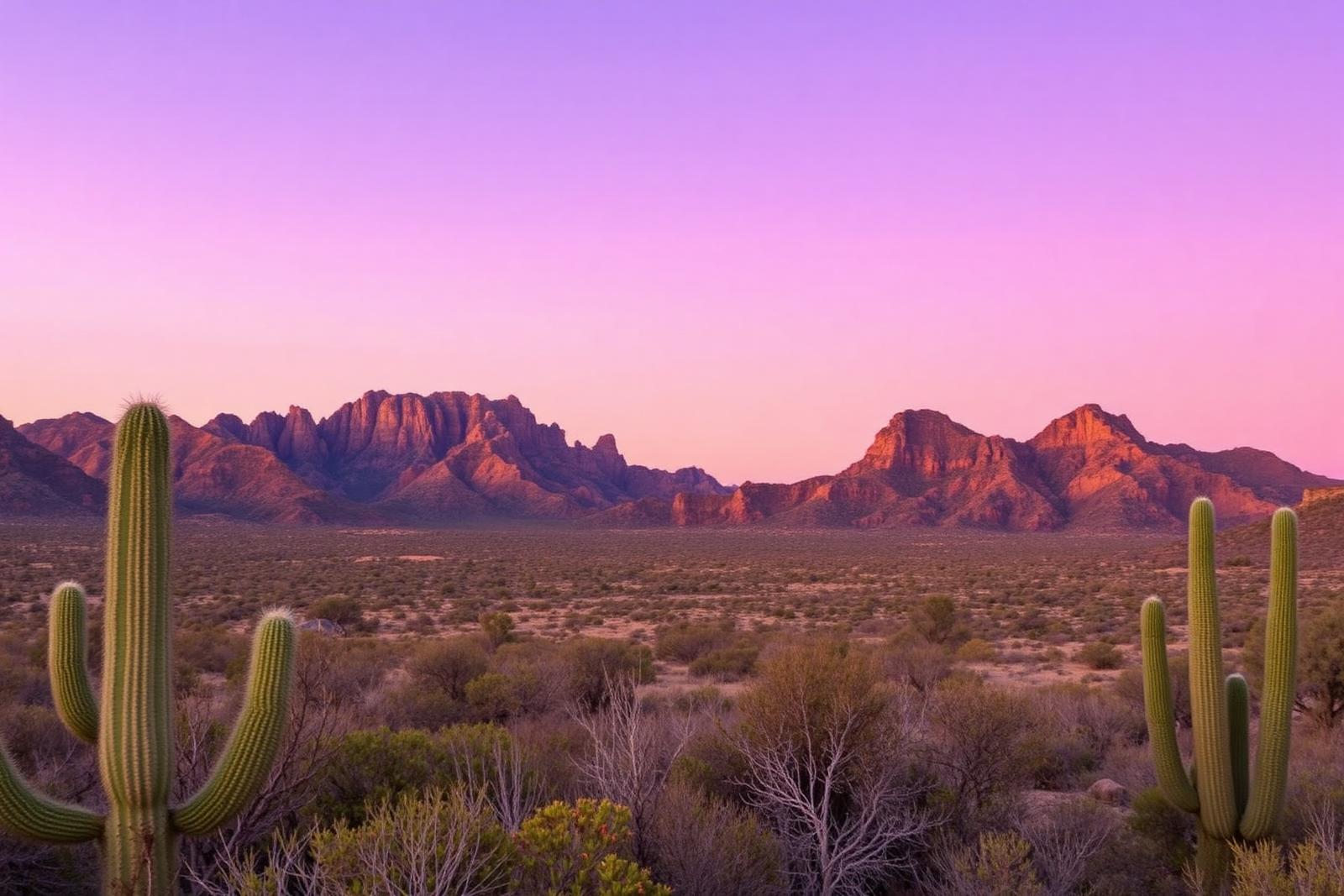
Winter can open parts of Texas that are difficult in summer. Big Bend and other far West Texas landscapes become much more practical for hiking during cooler periods, while Gulf Coast birding and city history trips can be comfortable between cold fronts. The tradeoff is volatility. Texas winter weather can swing quickly, and the Panhandle, North Texas and Hill Country can see freezing temperatures or ice. A winter road trip needs more forecast attention than a tourist brochure suggests.
Winter bucket list
- Build a Big Bend or far West Texas hiking trip around current park conditions.
- Use Fort Davis, Alpine or another West Texas town as a base rather than stacking remote drives.
- Visit San Antonio missions, museums and historic districts during cooler weather.
- Plan a Gulf Coast birding or seafood weekend outside peak summer heat.
- Take a barbecue-focused road trip where weather matters less than trail conditions.
- Use long, clear nights for dark-sky viewing in West Texas.
- Explore courthouse squares and small towns with indoor museum backups.
- Watch for freezes, ice and strong cold fronts along the entire driving route.
Winter is also the season when visitors can underestimate Texas because a mild forecast in one city looks reassuring. A long drive may still cross colder or windier areas. Pack layers, keep fuel conservative in remote regions and check park alerts before departing. West Texas nighttime temperatures can fall sharply even after a sunny afternoon. The same dark skies that make winter stargazing rewarding also mean travelers may be driving remote roads after dark, so schedule conservatively.
January through March: use winter conditions, then watch spring arrive
January and February are often strongest for desert and history-focused trips rather than water recreation. By March, wildflower interest begins to rise in parts of Central and South Texas, but bloom timing remains weather-dependent. Spring-break crowds can also affect state parks, beaches and family destinations. If you are traveling during a school-break period, reserve the things that can sell out while keeping scenic drives flexible enough to follow current conditions.
April through June: the transition happens fast
April can still deliver excellent wildflowers, festivals and comfortable mornings in many regions. By May and June, heat increasingly shapes the day, especially inland. River and lake trips become more attractive, but severe thunderstorms and flooding remain real planning concerns. This shoulder between spring and summer is a good time to combine an early outdoor anchor with a town, museum or food stop later rather than betting the entire day on one exposed activity.
July through September: design around heat and tropical weather
Mid- and late summer require the most deliberate scheduling. The best trips often use water, early mornings, indoor attractions and evening activity. Gulf travel also overlaps hurricane season, so coastal plans need a weather escape route and flexible cancellation thinking. September can still be very hot even when the cultural calendar starts to feel like fall. Do not let a school-calendar definition of autumn override the actual forecast.
October through December: event season becomes road-trip season
October often combines major events with improving travel weather, while November can be one of the easiest months for road trips across several regions. December brings holiday events, light displays and historic-district programming, but cold fronts become more important. These months reward travelers who check both the event calendar and the weather instead of choosing between them. A warm festival afternoon can be followed by a much colder evening after a front passes.
Choose the season by the activity you care about most
If wildflowers are the priority, start with spring and follow current bloom conditions. If swimming and beaches matter most, summer creates the longest hot-weather window but demands heat and storm planning. If fairs, football and road trips are the goal, fall often offers the strongest event calendar. If hiking in the desert or spending long days in historic districts sounds best, winter can be excellent. Travelers who are flexible can often improve a trip more by changing the month than by adding another attraction.
Build every seasonal trip with one fixed anchor and one flexible layer
The most resilient Texas seasonal itinerary has one anchor that justifies the trip and one layer that can move. The anchor might be a ticketed festival, reserved park day, family event or specific city. The flexible layer might be a scenic drive, outdoor meal, wildflower stop or beach afternoon. If weather changes, you preserve the anchor and swap the flexible piece. That simple structure prevents a Texas trip from collapsing because flowers peaked early, a river closed, a storm arrived or the afternoon became hotter than expected.
Primary source: Travel Texas — Official Texas State Travel Guide ↗
Filed under
- texas bucket list
- best time to visit texas
- texas seasons
- things to do in texas
Plan the trip
Places connected to this story
Destinations explicitly tied to this article in the Texas Defined guide.
Terlingua
Chisos Basin, Big Bend
The mountain heart of Big Bend National Park, where the Chisos rise above the Chihuahuan Desert and major trails begin from a high-elevation basin surrounded by cliffs and iconic views.
Best season: Fall through spring for the broadest hiking comfort; always check current heat, weather and access alertsUpdated Aug 2026- Window View and Window Trail scenery
- High-elevation Chisos Mountains hiking
- Big Bend National Park dark skies
Fredericksburg · Gillespie County
Fredericksburg
A Hill Country town shaped by German-Texan heritage, a walkable Main Street, wineries, museums and easy access to Enchanted Rock and scenic Gillespie County roads.
Best season: Fall through spring for comfortable walking; spring adds wildflowers and holiday season brings heavy crowdsUpdated Sep 2026- Historic Main Street
- National Museum of the Pacific War
- German-Texan food and heritage

From the magazine
More stories to read next
The Texas Guidebook
20 First-Time Texas Travel Mistakes—and How to Avoid Them
August 20, 2026 · About 16 minutes
The Texas Guidebook
21 Texas Traditions You Should Experience at Least Once
August 20, 2026 · About 16 minutes