guides
21 Texas Traditions You Should Experience at Least Once
Bluebonnet season, Friday-night football, barbecue counters, dance halls, rodeos, missions and small-town festivals make more sense when you experience them in the communities that keep them alive.
Texas traditions make more sense when you encounter them in the places where they still organize ordinary life. A Friday-night football game, a courthouse-square festival, a dance hall, a barbecue counter, or a spring wildflower drive is not valuable because it checks a stereotype off a list. It is valuable because each one reveals how geography, immigration, agriculture, music, food, weather and community memory overlap across the state. The best way to use this guide is to pick a few traditions that fit your route and experience them in context rather than trying to manufacture a theme-park version of Texas.
Bluebonnet season is a weather-driven tradition
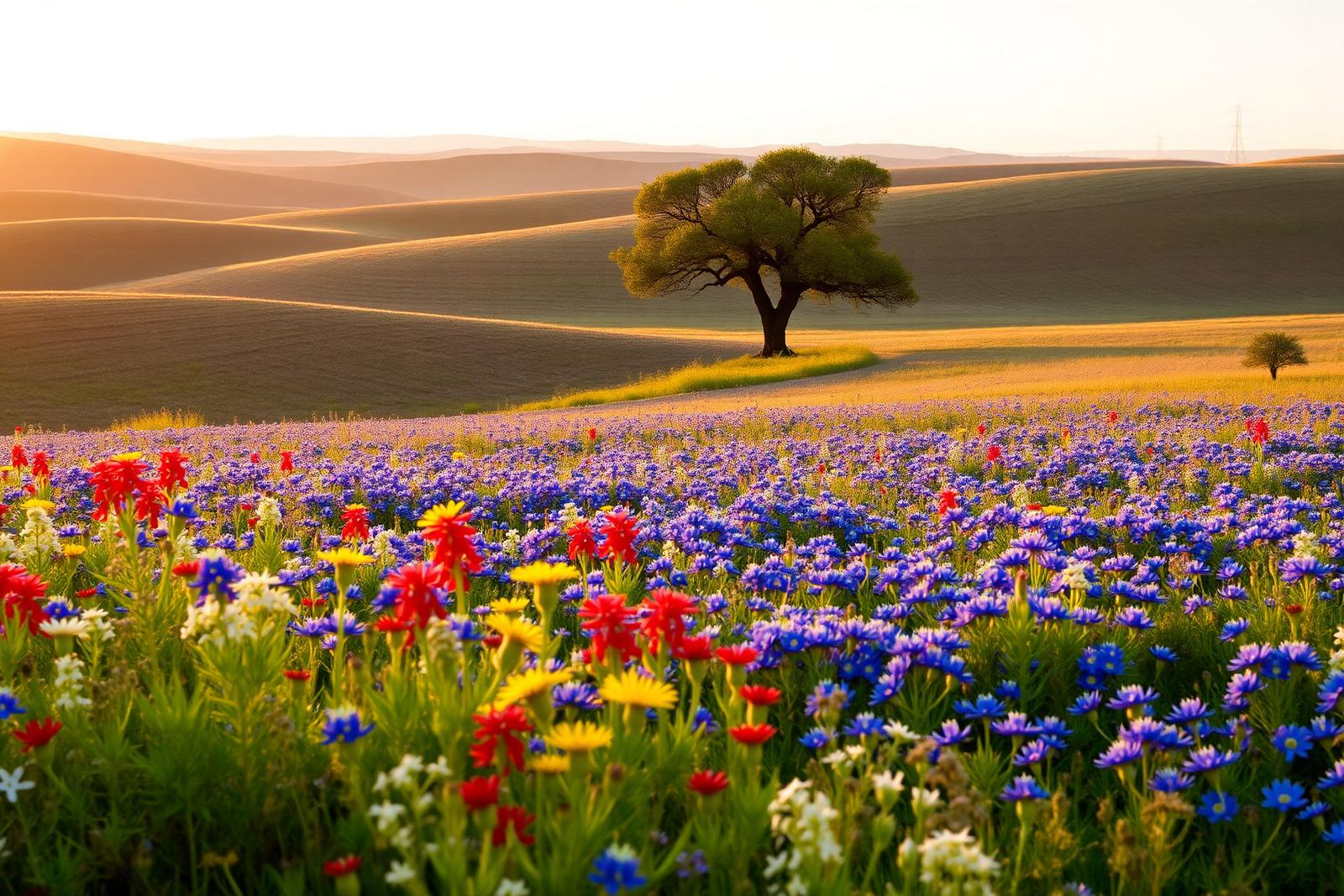
Bluebonnet season is one of the clearest examples of a statewide tradition shaped by weather instead of a fixed calendar. Families plan roadside photographs, small towns build spring weekends around wildflowers, and travelers detour onto farm-to-market roads when fields are blooming. Treat the flowers and private property with respect: use safe pull-offs, stay off fenced land, avoid blocking traffic and do not flatten a patch just to improve a photo. TexasDefined's bluebonnet field guide is the better planning page when spring color is the main purpose of the trip.
Friday-night football is a community ritual
In many Texas communities, high school football is less about a single game than the Friday-night ritual around it. Bands, drill teams, cheer programs, booster clubs, school traditions and generations of alumni all gather in the same stadium. A visitor gets more from the experience by treating it as a community event rather than a spectacle to mock or romanticize. Arrive early enough to see the pregame atmosphere, expect local traffic around the stadium and remember that school calendars and playoff schedules determine whether there is actually a home game.
Barbecue makes more sense at the counter
Ordering barbecue by the pound is another tradition that becomes clearer at the counter. The useful lesson is not that every barbecue restaurant works the same way; it is that Texas barbecue has strong regional and restaurant-specific customs. Brisket, sausage, ribs, turkey and sides vary, famous places can develop lines, and some sell out well before a conventional dinner hour. If barbecue matters to your trip, choose a region, check current hours directly with the restaurant and build the meal into the day's route instead of assuming a late walk-in will work.
Breakfast tacos are everyday culture
Breakfast tacos are less ceremonial, which is exactly why they belong on this list. In much of Central and South Texas they are an ordinary morning food, with local preferences about tortillas, fillings, salsa and the places worth stopping before work. The best visitor approach is simple: skip the idea that there is one official combination and order what the shop does well. A breakfast-taco stop also fits a road trip better than many destination meals because it gets you moving early, before summer heat and weekend traffic build.
Historic dance halls are still working social spaces
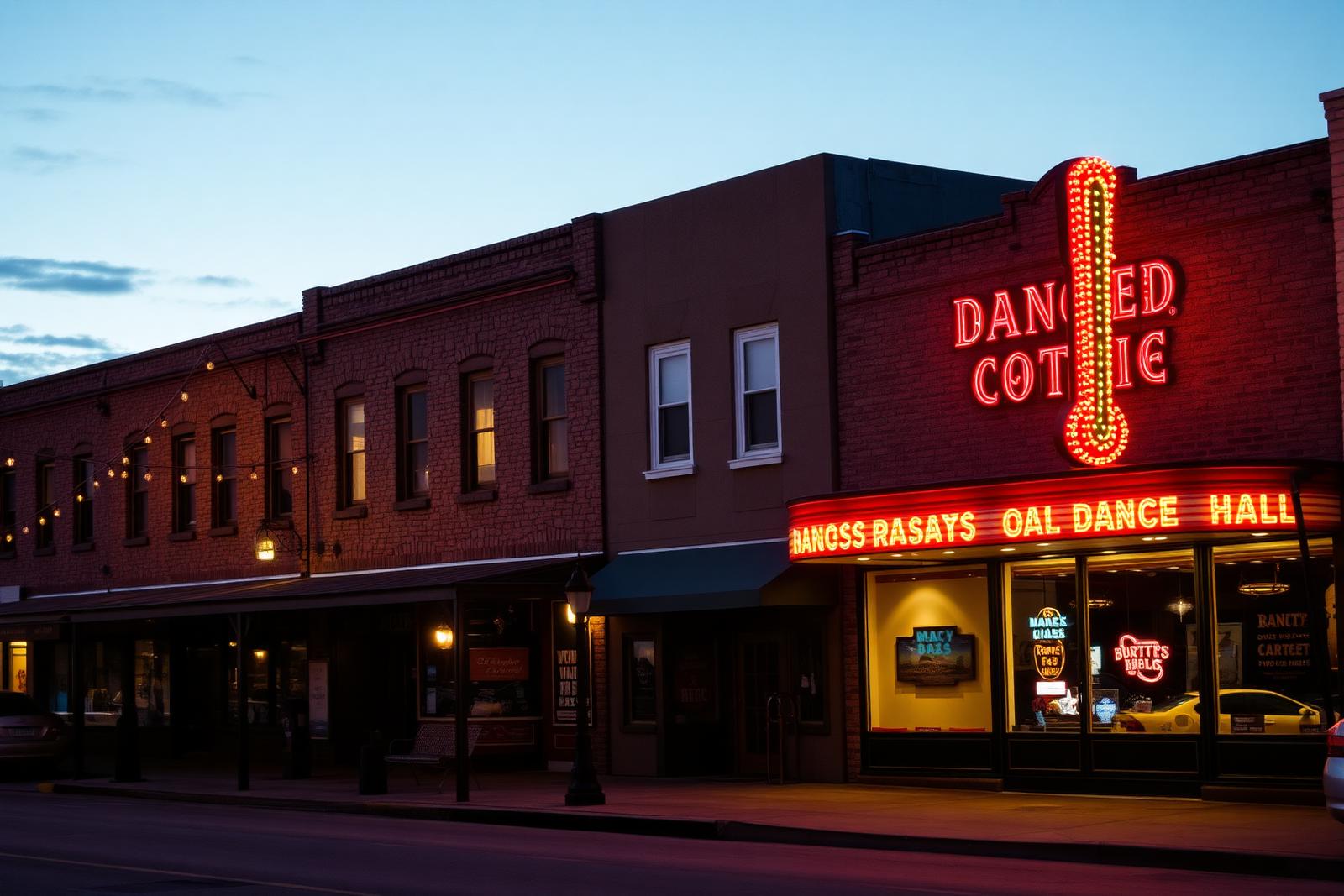
Historic dance halls preserve a different layer of Texas culture. Some are famous destinations and others remain primarily local venues, but the common value is that they are still used for dancing, live music, benefits, weddings and community gatherings. Check the venue's actual calendar before driving out, because a historic building is not necessarily open every night. When an event is scheduled, the experience is strongest when you participate on the venue's terms: respect the floor, the performers, the staff and the people for whom the hall is not a novelty.
Rodeos and livestock shows connect city and rural Texas
Rodeos and livestock shows range from huge multiweek events to county-level gatherings. They connect ranching traditions, youth livestock programs, agriculture, entertainment and local fundraising in ways that differ from city to city. A first-time visitor does not need to understand every event to appreciate the structure, but it helps to check schedules carefully because livestock judging, concerts, carnival operations and rodeo performances may occur at different times or require different tickets. The Texas events calendar is the better place to find what is actually happening during your dates.
The State Fair is a Dallas tradition with statewide reach
The State Fair of Texas is a Dallas tradition with its own scale, routines and seasonal travel demand. Big Tex, livestock, food competitions, midway rides, exhibits and the Red River Rivalry create several different reasons to visit. It is not a generic year-round attraction, so it rewards planning around fair dates, transportation and crowd patterns. If your trip overlaps the fair, use the dedicated State Fair guide for current logistics rather than treating this list as an operating-hours source.
Courthouse squares put road trips into real town centers
County courthouse squares are quieter but just as revealing. Texas has 254 counties, and many county seats developed around courthouses that still anchor downtown street patterns. Architecture, museums, cafes, monuments and locally owned shops often cluster nearby. Not every square is a destination, but they make excellent road-trip breaks because they put a traveler in a real town center instead of another highway service road. Browse counties and small-town guides to identify squares that fit naturally between your larger stops.
Hill Country back roads reward slower travel
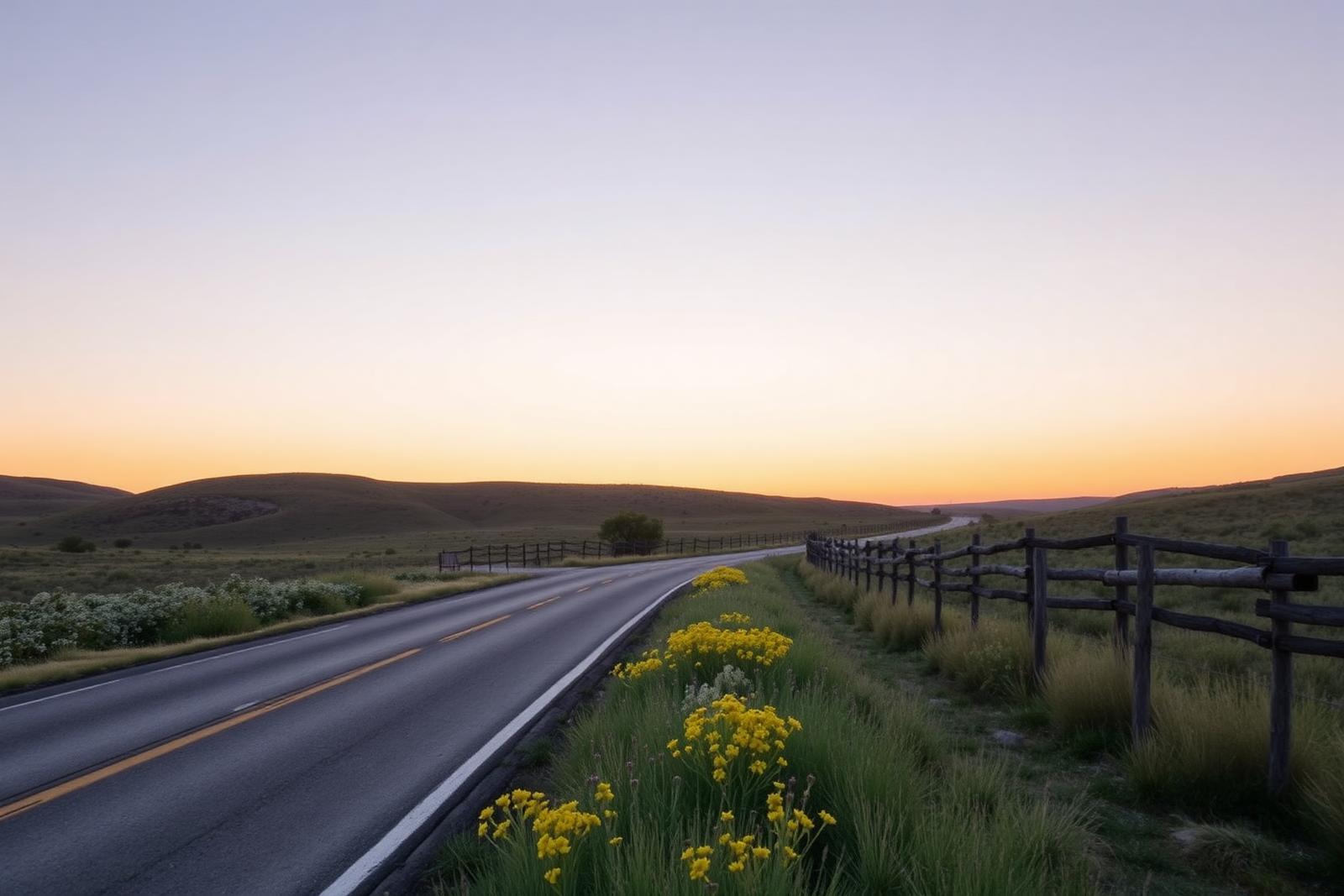
A Hill Country back-road drive in spring combines several Texas habits at once: scenic driving, wildflower watching, small-town stops, limestone landscapes and a willingness to let the route take longer than the fastest navigation option. The key is to distinguish a scenic route from a race between attractions. Leave daylight for the drive, watch changing weather and low-water crossings, and avoid stopping in unsafe roadway locations for photographs. A two-lane loop works best when one or two towns or parks serve as anchors and the space between them is part of the experience.
Central European Texas is bigger than a bakery stop
German, Czech and other Central European traditions remain visible in food, churches, music, festivals and town histories across parts of Central Texas. Kolaches and klobasneks are the road-trip shorthand, but the deeper story is settlement: communities preserved languages, recipes, religious institutions and social organizations while becoming distinctly Texan. A bakery stop is easy; pairing it with a local museum, historic district or festival gives the food more context. The same principle applies to Tejano, Mexican American, Polish, Alsatian, Cajun and other regional traditions across the state.
River weekends depend on current conditions
Texas rivers and swimming holes have their own weekend culture, especially in warm weather, but this is one tradition where conditions matter more than nostalgia. Water levels, access rules, reservations, drought, flooding and temporary closures can change the experience. Never assume a place shown in an old social post is open or safe today. Check the managing authority before leaving, and keep a backup plan. The point is to enjoy the state's spring-fed and river landscapes without turning a cultural tradition into an avoidable access or safety problem.
West Texas turns dark skies into the main event
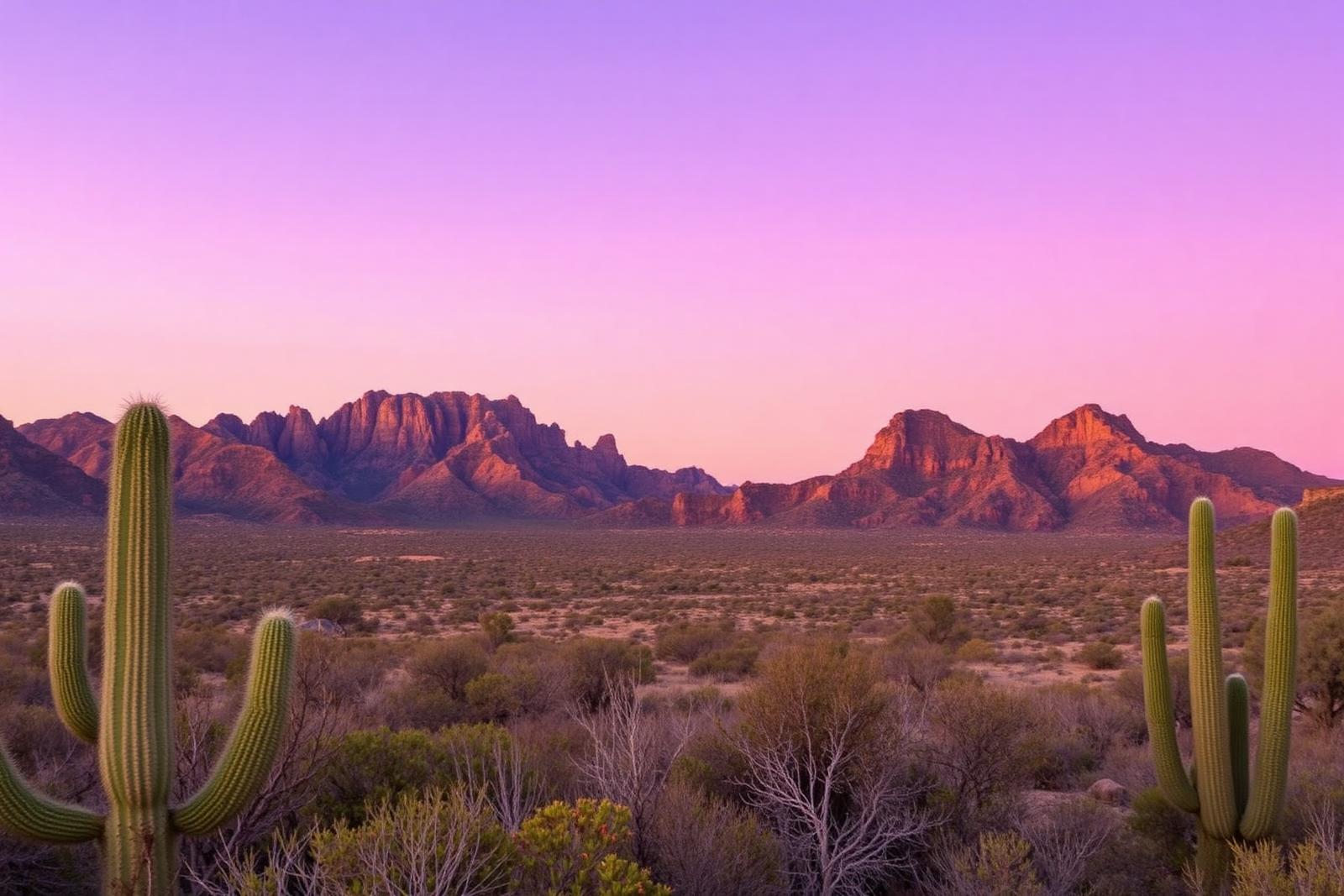
West Texas dark skies reward another longstanding Texas habit: driving farther than outsiders expect for a landscape that feels completely different. Around Big Bend country and the Davis Mountains, the combination of sparse development, desert air and broad horizons can turn stargazing into the main event. Plan fuel, lodging and nighttime driving conservatively, and remember that moon phase and weather affect what you see. Pairing dark-sky time with a park, observatory area or historic town makes the long drive more worthwhile.
Spanish missions widen the history beyond one battle
Spanish missions tell a Texas story that is older and broader than the Alamo. San Antonio's mission landscape, including the UNESCO-listed missions, connects Indigenous communities, Spanish colonization, religion, agriculture and the growth of the city. Visiting more than one mission changes the story from a single battle site into a regional history. Treat active religious sites respectfully and use official visitor information for current access. Texas history is strongest when a trip includes the places where different periods overlap rather than only the most famous symbol.
Local festivals are where traditions stay specific
Local fairs, food festivals and heritage celebrations are where many Texas traditions remain most specific. A peach festival, sausage festival, county fair, Juneteenth celebration, rodeo weekend or music event can tell you more about a place than a generic 'Texas experience' sold to tourists. The practical challenge is timing: these events may happen once a year, and traffic or lodging demand can spike around them. Search the events calendar before finalizing a route so the event becomes an intentional anchor rather than a surprise road closure.
Texas music changes with the venue
Live music belongs on a Texas traditions list because the setting changes the meaning. A dance hall, honky-tonk, listening room, festival stage and outdoor amphitheater create different experiences even when the genre overlaps. Check age rules, ticket requirements and schedules directly with the venue. Visitors should resist reducing Texas music to one sound; country, conjunto, Tejano, blues, rock, gospel, hip-hop and regional scenes all contribute to the state's musical identity.
The 21 traditions at a glance
- Take respectful family photos during bluebonnet season.
- Attend a Friday-night high school football game.
- Order barbecue at the counter and learn the house style.
- Eat breakfast tacos early in the day.
- Spend an evening at a working historic dance hall.
- Attend a rodeo or livestock show.
- Visit the State Fair of Texas in season.
- Stop at a county courthouse square.
- Drive a Hill Country back road in spring.
- Try Czech-Texas bakery culture in context.
- Plan a river or swimming-hole day only after checking conditions.
- Camp or stargaze under West Texas dark skies.
- Visit Spanish missions beyond a single famous stop.
- Build a weekend around a local fair or heritage festival.
- Hear live Texas music in the kind of venue that sustains it.
- Watch college football with a local crowd.
- Take a Gulf Coast seafood detour.
- Visit a ranching or cattle-drive historic site.
- Pair food with the community history behind it.
- Let a small-town stop change the day's plan.
- Take one road trip where the detours become the point.
Build traditions into a trip instead of chasing a checklist
The best version of a Texas tradition is usually one that fits naturally into a larger trip. Pair a football game with the town around it, a barbecue meal with the region that shaped it, a mission with the broader historic landscape, or a wildflower drive with a safe scenic route. That approach creates context and reduces the temptation to chase an artificial checklist. Choose two or three traditions, verify current details, leave room for an unplanned local stop and let the place explain why the tradition survived.
Primary source: Travel Texas — Texas State Travel Guide ↗
Filed under
- texas traditions
- texas culture
- things to do in texas
- texas bucket list
Plan the trip
Places connected to this story
Destinations explicitly tied to this article in the Texas Defined guide.
Terlingua
Chisos Basin, Big Bend
The mountain heart of Big Bend National Park, where the Chisos rise above the Chihuahuan Desert and major trails begin from a high-elevation basin surrounded by cliffs and iconic views.
Best season: Fall through spring for the broadest hiking comfort; always check current heat, weather and access alertsUpdated Aug 2026- Window View and Window Trail scenery
- High-elevation Chisos Mountains hiking
- Big Bend National Park dark skies
New Braunfels · Comal County
Gruene Historic District
A compact National Historic District on the Guadalupe River in New Braunfels where nineteenth-century German-Texan buildings now hold Gruene Hall, shops, restaurants, lodging and live music, preserving the scale of the original township while remaining an active entertainment district.
Best season: Spring and fall for comfortable walking and river weather; summer is lively but crowded and hot, while evenings are attractive year-round when live music is part of the planUpdated Aug 2026- Gruene Hall and its long-running live-music tradition
- Walkable nineteenth-century commercial buildings
- Guadalupe River access and Hill Country river culture
Fredericksburg · Gillespie County
Fredericksburg
A Hill Country town shaped by German-Texan heritage, a walkable Main Street, wineries, museums and easy access to Enchanted Rock and scenic Gillespie County roads.
Best season: Fall through spring for comfortable walking; spring adds wildflowers and holiday season brings heavy crowdsUpdated Sep 2026- Historic Main Street
- National Museum of the Pacific War
- German-Texan food and heritage


From the magazine
More stories to read next
The Texas Guidebook
Texas by Season: A Practical Bucket List for Spring, Summer, Fall and Winter
August 20, 2026 · About 14 minutes
The Texas Guidebook
20 First-Time Texas Travel Mistakes—and How to Avoid Them
August 20, 2026 · About 16 minutes