guides
25 Things to Know Before Visiting Texas
Texas is bigger, hotter, farther apart and more regionally varied than many first-time visitors expect. Start here, then use our deeper guides to plan the trip well.
A first trip to Texas can look simple on a map and turn complicated fast. Distances are long, weather changes dramatically by region, major attractions can be hours apart, and the food, history and outdoor culture vary more than the state stereotype suggests. These are the practical things worth knowing before you arrive.
1. Texas is not one destination
Big Bend desert country, Gulf Coast beaches, East Texas pine forests, Hill Country limestone rivers and the major metros feel like different trips. Pick a region first instead of trying to see the whole state at once.
2. Driving time is the hidden cost of a Texas trip
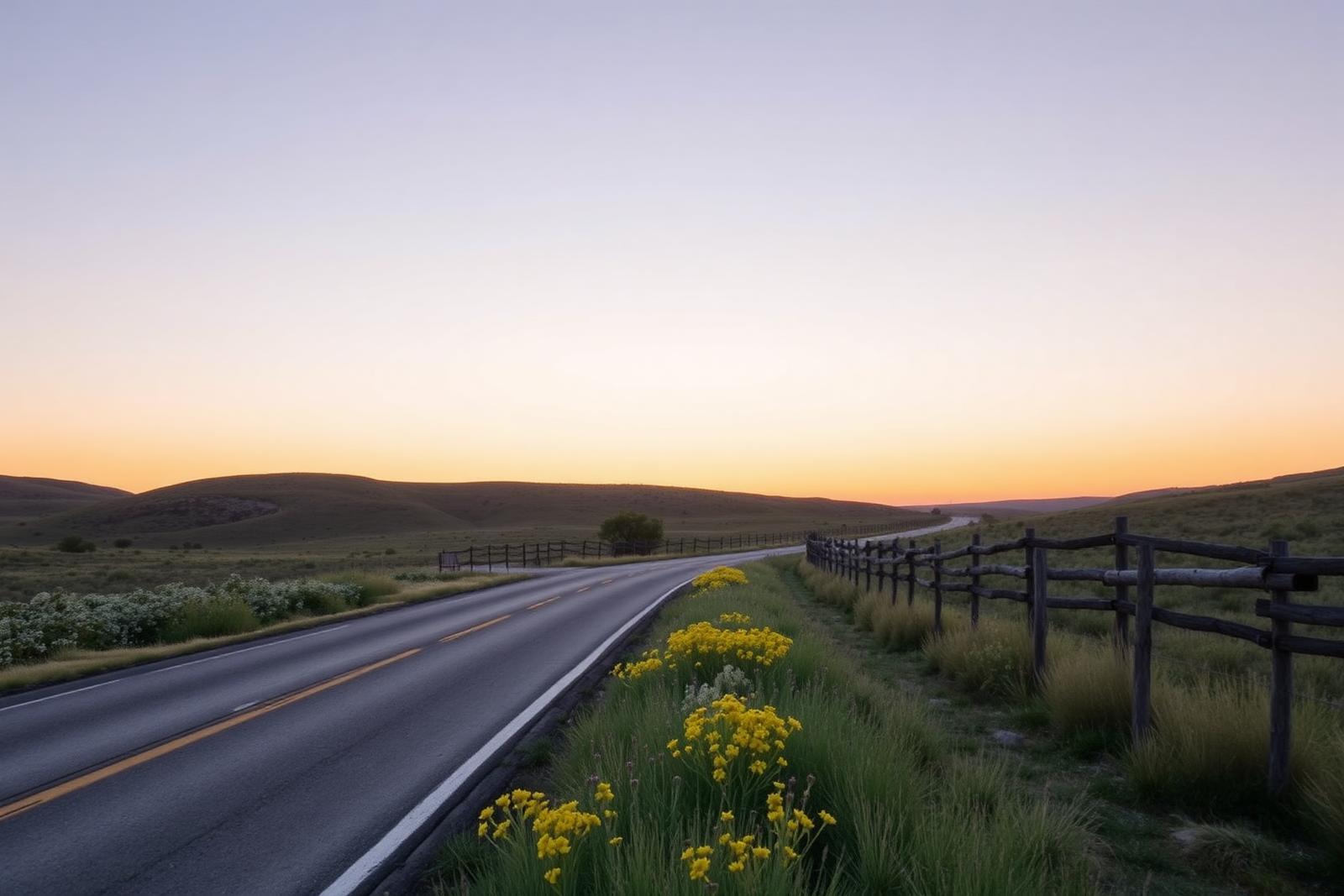
Dallas to Austin, Austin to San Antonio and Houston to the Gulf can all make sense on one itinerary. Dallas to Big Bend or Houston to Palo Duro is a different scale. Build around realistic drive times and worthwhile stops.
3. Summer heat changes the schedule
In much of Texas, summer sightseeing works better early in the morning and later in the day. Outdoor plans should account for heat, shade, water and long exposed trails.
4. Spring and fall are prime travel seasons
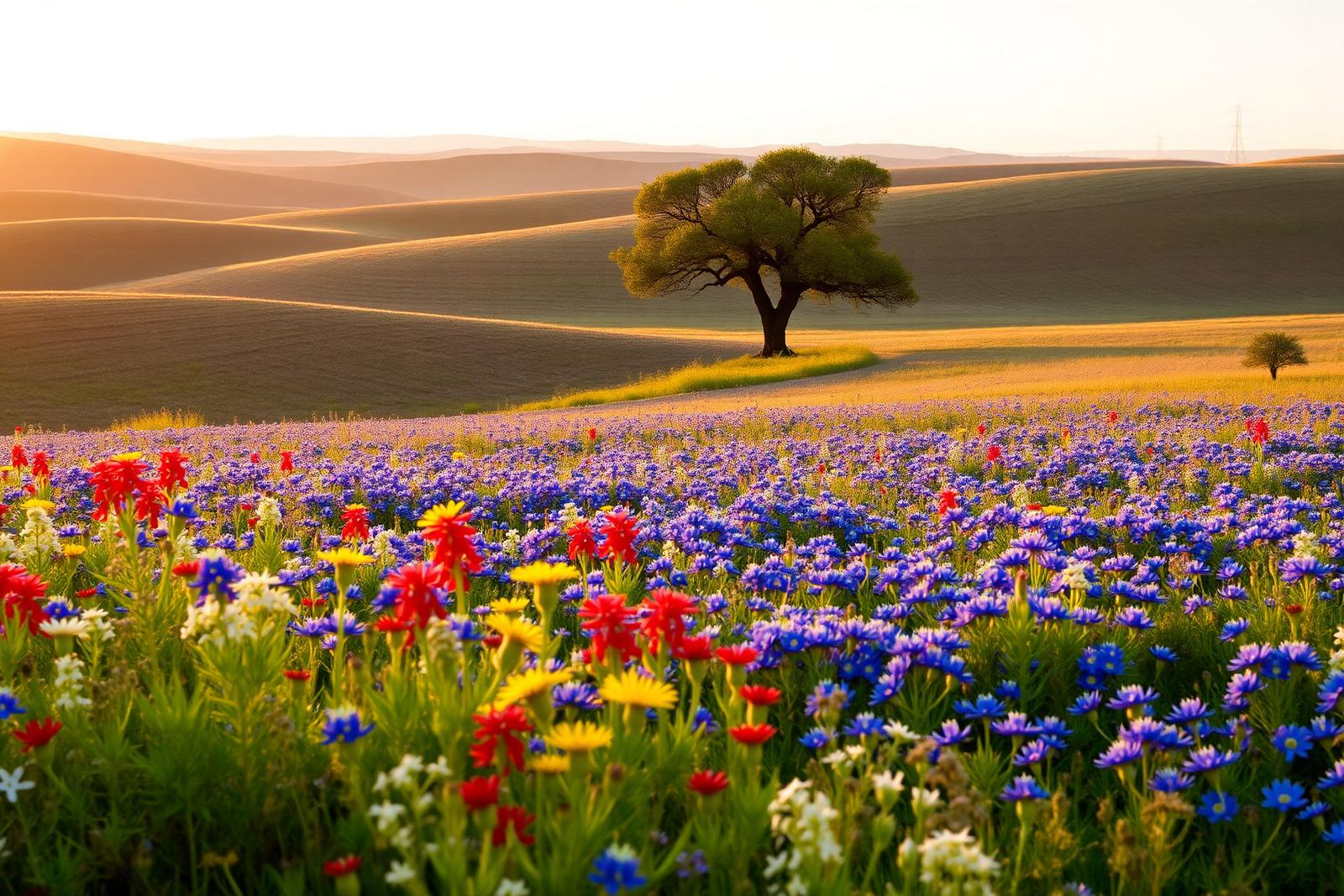
Wildflowers, milder temperatures, football weekends, festivals and state parks make spring and fall especially rewarding. Popular parks and events can also require advance planning.
5. Barbecue is regional, not generic
Brisket may dominate the national image of Texas barbecue, but sausage, pork ribs, beef ribs, turkey and East Texas chopped beef traditions all matter. The best trip is a tasting tour rather than a single famous stop.
6. Tex-Mex and breakfast tacos deserve their own itinerary
Texas food is much broader than smoked meat. Breakfast tacos, enchiladas, queso, carne guisada, kolaches, Gulf seafood and regional Mexican cooking can define a trip just as strongly.
7. State parks can be destinations, not side stops
Palo Duro Canyon, Enchanted Rock, Caddo Lake, Caprock Canyons and many other parks reward a full day or overnight stay. Reserve ahead when demand is high.
8. Big Bend requires more preparation than most visitors expect
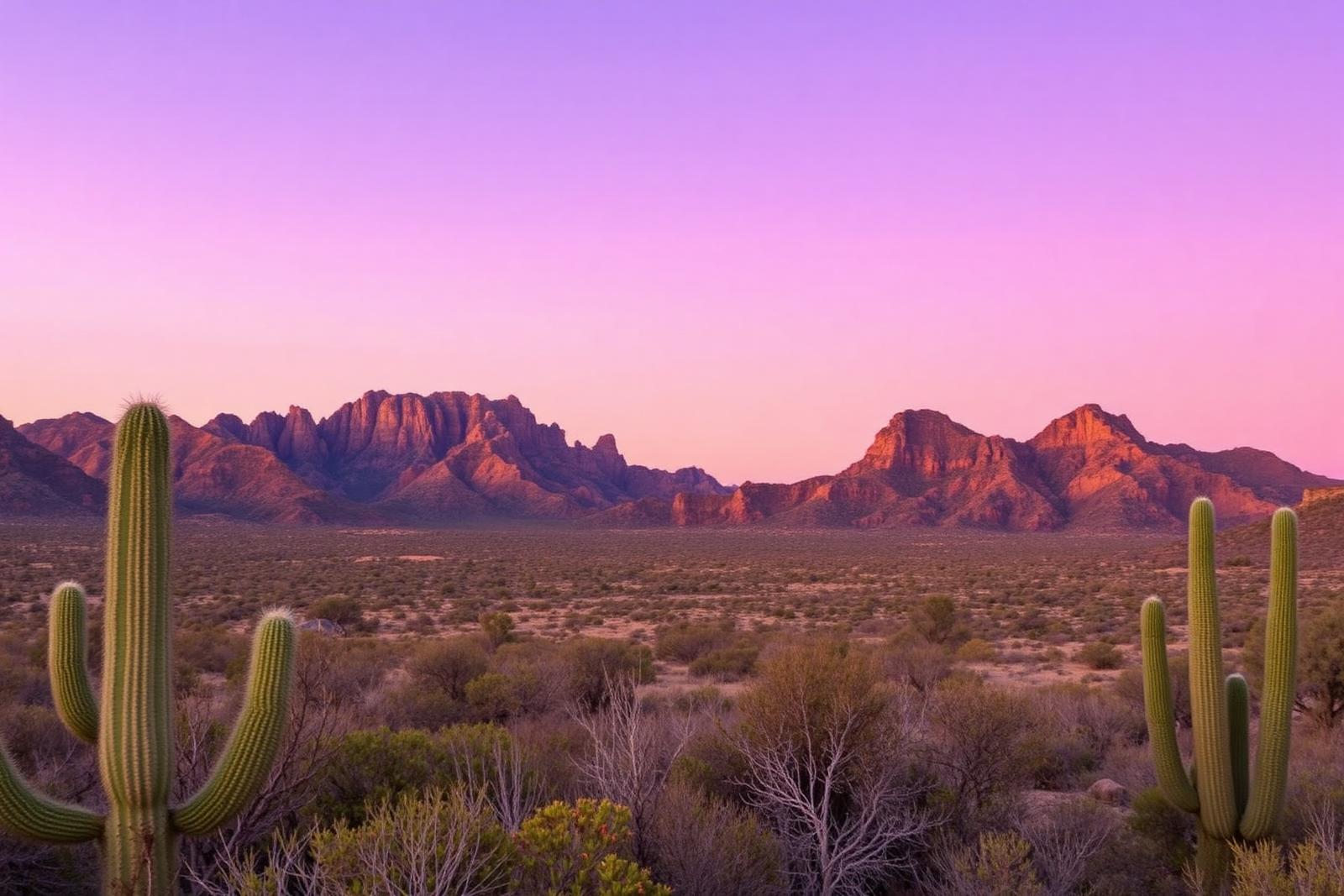
Fuel, food, water, lodging and long distances matter in far West Texas. The remoteness is part of the appeal, but it rewards deliberate planning.
9. Small towns often explain Texas better than the interstates do
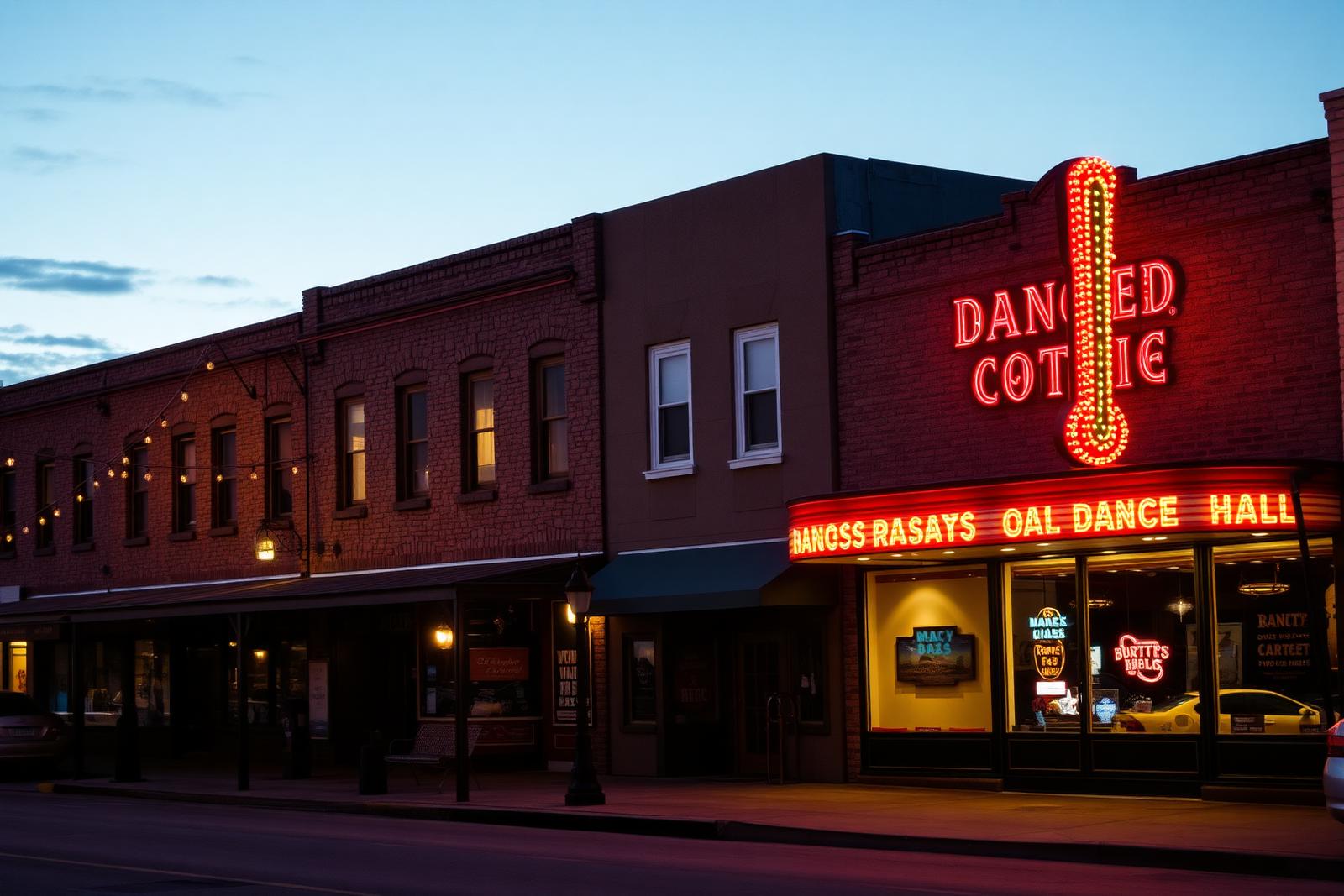
Courthouse squares, dance halls, barbecue joints, old railroad towns, German and Czech communities and local museums fill in the story between the major cities.
10. The State Fair of Texas is its own travel event
Big Tex, fried-food competitions, livestock, midway rides and college football make the fair more than a local festival. If your trip overlaps fair season, plan for crowds and transportation.
11–25. The short version
- Distances are easy to underestimate.
- Road trips are one of the best ways to understand the state.
- Weather can differ sharply between regions on the same day.
- Flash flooding matters around creeks, low-water crossings and Hill Country rivers.
- Bluebonnet season is brief and weather-dependent.
- Friday-night football can dominate small-town weekends.
- Dance halls are living culture, not museum pieces.
- The Gulf Coast is a very different Texas from the Panhandle.
- Historic missions extend well beyond the Alamo.
- Texas has both national parks and an enormous state-park system.
- Fishing, hunting and camping often require separate rules, reservations or licenses.
- Major cities deserve neighborhood-level planning.
- County courthouses and historic downtowns are worth stopping for.
- Local festivals can be more memorable than famous attractions.
- You will enjoy Texas more if you leave room for detours.
Use this page as your starting point
The goal is not to squeeze Texas into one checklist. Use the deeper TexasDefined guides below to choose the region, season, food, parks, events and road-trip style that match the trip you actually want.
Build the trip around one Texas region, not the state outline
A first-time visitor gets more from Texas by choosing a coherent region and treating the rest of the state as future trips. Houston and the upper Gulf Coast can combine museums, food, bayous and beach access. San Antonio and the Hill Country can combine missions, limestone rivers, small towns and German-Texas history. West Texas works best when the desert, mountain parks and long drives are the point rather than an add-on squeezed between metro stops.
This regional approach also makes weather and packing decisions easier. Gulf Coast humidity, Panhandle wind, Hill Country flash-flood risk and Big Bend desert exposure call for different plans. Check the forecast for the actual places on the itinerary and keep alternate indoor or lower-exposure activities available when heat, storms or high winds change the day.
Reservations and operating hours deserve an early pass
Before booking lodging, identify the two or three attractions that would genuinely disappoint you if unavailable. Popular state parks, tours and major events can sell out or reach capacity. Museums, missions and historic sites may have different hours by day or season. Build the fixed appointments first, then leave the rest of the itinerary flexible enough for food stops, downtown walks and roadside discoveries.
Driving days need margin too. A route that looks manageable by mileage can become tiring after city traffic, construction, meal stops and scenic detours. In remote country, fuel and cell coverage matter. In large metros, parking and toll roads can matter more than raw distance. The safest planning assumption is that a Texas road day takes longer than the map's ideal estimate.
Use local context to choose what is worth the detour
Texas travel becomes more memorable when the stop fits the place. Eat Gulf seafood near the coast, look for Czech and German food traditions in Central Texas, visit courthouse squares in county-seat towns, and use state parks to understand the landscape rather than treating them as generic hiking stops. The same famous attraction can feel much more meaningful when the surrounding region is part of the plan.
A first trip does not need to prove that you saw all of Texas. A successful itinerary should leave you with a clear sense of one or two regions, enough unscheduled time to follow a good recommendation, and a list of places you now understand well enough to visit next time.
Check roads, weather and park capacity before each long day
Texas road conditions can change because of construction, crashes, flooding, wildfire response and winter weather. DriveTexas publishes current TxDOT condition data, so it is a better same-day source than an old forum post or a screenshot from a previous trip. For a long transfer day, check the full route rather than only the weather at the destination; a storm or closure several counties away can be the part that changes the plan.
State parks deserve the same last-mile check. Texas Parks and Wildlife recommends advance day-pass reservations at popular parks because capacity can fill, especially on weekends and school holidays. A day pass guarantees park entry but does not guarantee a particular parking area or attraction inside the park. If one park is the anchor of the day, confirm the reservation, current alerts, trail status and arrival window before leaving the hotel.
Build a first-trip plan with fixed anchors and flexible space
A strong first itinerary usually has one fixed anchor per day: a reserved park, museum, mission tour, game, concert or dinner that genuinely requires a schedule. Everything around that anchor can stay flexible. This keeps a delayed meal, traffic jam or weather change from breaking the entire day and leaves room for the courthouse square, bakery, swimming hole or scenic road that becomes interesting only after you arrive.
For a fly-in trip, also compare the airport with the actual region you want to explore. A cheaper flight can become a poor trade if it adds hours of driving at both ends. For a road trip, keep fuel conservative in remote country, download navigation for areas with weak service, and avoid treating an unpaved shortcut as interchangeable with a major highway. Texas rewards detours, but the good ones are chosen deliberately.
Quick answers for a first Texas visit
How many regions should a first trip cover? Usually one major region plus a nearby contrast is enough for a long weekend or several days. Do state parks need reservations? Not every visit does, but popular parks can reach capacity and advance passes are strongly recommended. Is summer impossible? No, but outdoor time should move earlier and later in the day, with water, shade and indoor backups treated as part of the itinerary rather than emergency improvisation.
What should be checked the morning of a road day? Current road conditions, route-wide weather, attraction alerts, reservation details and fuel range. What should remain flexible? Meals that do not require reservations, roadside stops and secondary attractions. The goal is not to over-plan Texas; it is to protect the few parts of the trip that are expensive, capacity-limited or safety-sensitive so the rest can stay spontaneous.
Primary source: Travel Texas — Things to Do in Texas ↗
Filed under
- visiting texas
- texas travel tips
- texas first trip
- texas guide
- things to know about texas
Plan the trip
Places connected to this story
Destinations explicitly tied to this article in the Texas Defined guide.
Terlingua
Chisos Basin, Big Bend
The mountain heart of Big Bend National Park, where the Chisos rise above the Chihuahuan Desert and major trails begin from a high-elevation basin surrounded by cliffs and iconic views.
Best season: Fall through spring for the broadest hiking comfort; always check current heat, weather and access alertsUpdated Aug 2026- Window View and Window Trail scenery
- High-elevation Chisos Mountains hiking
- Big Bend National Park dark skies
From the magazine
More stories to read next
The Texas Guidebook
Texas by Season: A Practical Bucket List for Spring, Summer, Fall and Winter
August 20, 2026 · About 14 minutes
The Texas Guidebook
20 First-Time Texas Travel Mistakes—and How to Avoid Them
August 20, 2026 · About 16 minutes
The Texas Guidebook
21 Texas Traditions You Should Experience at Least Once
August 20, 2026 · About 16 minutes