moving to texas
Texas vs. Florida: The Relocation Tradeoffs That Actually Matter
Texas and Florida both have warm climates, fast-growing metros and no personal state income tax, but housing risk, insurance, geography, driving and daily routines can produce very different household outcomes.
Texas and Florida are often grouped together as fast-growing Sun Belt states, but that comparison can hide more than it reveals. Both have large metros, warm weather, significant newcomer populations and no personal state income tax. From there, the daily experience diverges quickly. Florida is more coastal, more tourism-oriented and much more shaped by water. Texas is larger, more geographically varied and more dominated by long overland distances. A relocation decision should therefore compare a specific Texas metro or county with a specific Florida destination and should include housing, property taxes, insurance, transportation, weather risk and work—not just state-level headlines.
No personal state income tax does not make the tax picture identical
Texas and Florida do not impose personal state income taxes, so income-tax comparisons alone do little to separate them for most wage earners. The more useful questions involve how each household pays for housing and local services. In Texas, property taxes can be a major homeowner expense and vary by local taxing units, exemptions and appraised value. Florida has its own property-tax rules, exemptions and local variation. Sales taxes and fees also differ. Run the numbers on the home you would actually occupy, because two households with the same salary can experience very different overall costs depending on ownership, county, insurance and commuting.
Insurance should be priced before you fall in love with a house
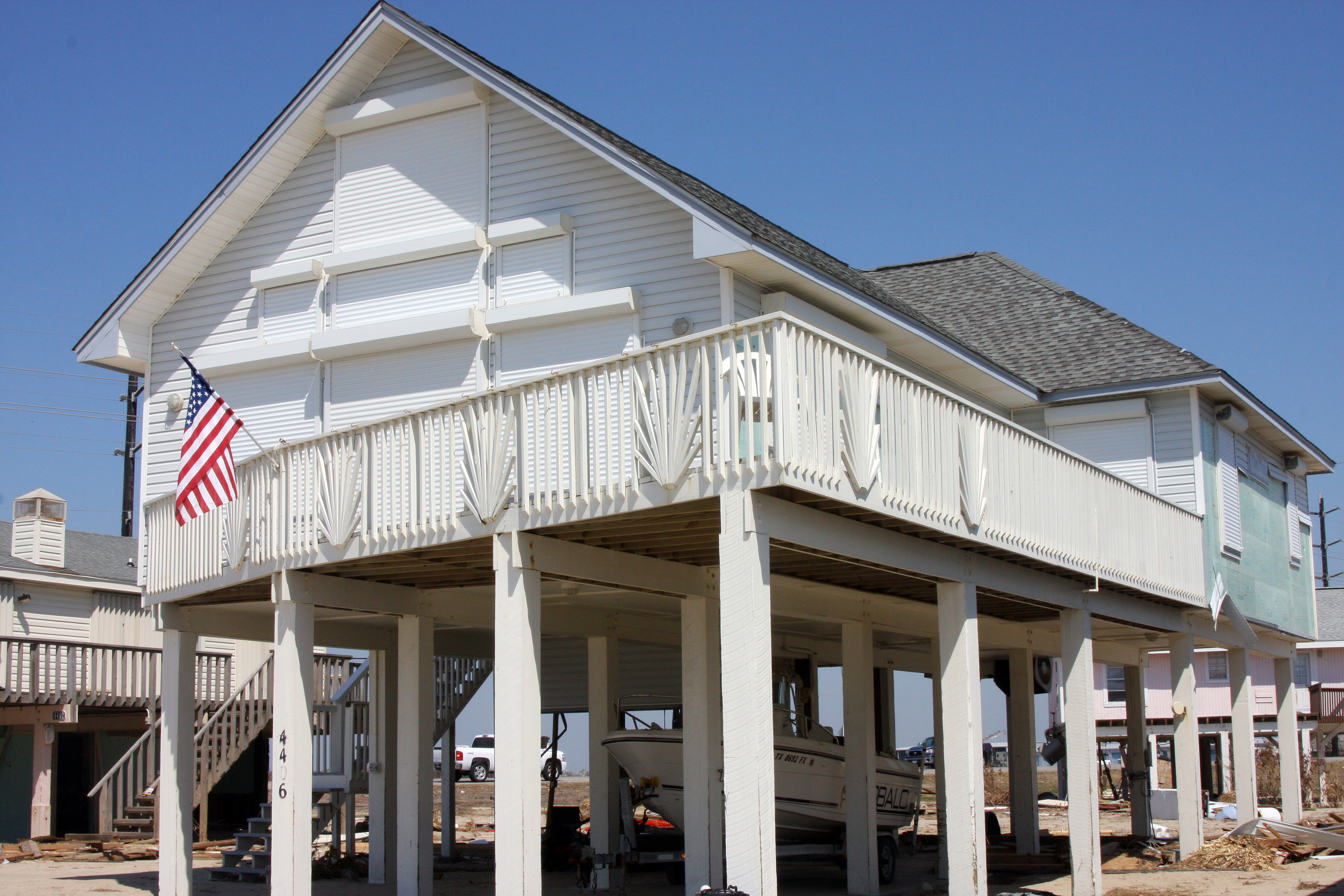
Property insurance is a central relocation issue in both states. Florida's market is heavily influenced by hurricane and coastal exposure, while Texas buyers may face wind, hail, hurricane, tornado, wildfire or flood concerns depending on region. Neither state can be summarized by one average premium. Construction type, roof age, replacement cost, deductibles, mitigation features, distance from the coast and local claim history can all matter. The smartest sequence is to identify a candidate property and request real insurance quotes before treating the listing price as affordable. If flood coverage is relevant, price that separately rather than assuming a standard homeowners policy includes it.
Florida is shaped by coastline; Texas is shaped by distance
Florida's geography keeps much of the population relatively close to coastlines, bays, rivers or major wetland systems. Texas has a long Gulf Coast too, but enormous inland regions dominate the map. Dallas-Fort Worth, Austin and San Antonio do not live like coastal cities, and far West Texas can feel like a different state from Houston. That difference changes weekend recreation, storm exposure and travel. A Florida household used to frequent beach access may find the Gulf too far away from many Texas metros for spontaneous trips. A Texas household may value the ability to choose among Hill Country, desert, plains, pine forest and Gulf destinations instead.
Heat feels different even when both states are hot
Both states demand serious respect for summer weather, but the experience is not interchangeable. Florida humidity is persistent across much of the state and afternoon thunderstorms are a familiar warm-season pattern. Texas heat varies by region: Houston can feel extremely humid, Central and North Texas can combine high temperatures with long sunny stretches and severe storms, and West Texas is drier with larger temperature swings. Winter also separates the two. Many Texas regions can see freezes, ice or sharp cold fronts that are less typical across much of peninsular Florida. Utility planning, landscaping and outdoor schedules should match the specific local climate.
Hurricane risk overlaps, but the exposure map is different
Hurricanes matter in both states, but a Texas household hundreds of miles inland has a different risk profile from a home along the Upper Texas Coast, and a Florida home in one county may face different wind or flood concerns from another. Do not use state borders as the hazard boundary. Review local flood information, evacuation considerations, building features and insurance terms for the property itself. Texas newcomers should also learn about severe thunderstorms, hail, tornadoes and flash flooding, while Florida newcomers may spend more time thinking about tropical systems and water-related exposure. Preparedness should be address-specific rather than stereotype-specific.
Driving patterns are different in both scale and shape
Texas is larger than Florida and its major metros are separated by long drives. Houston to Dallas-Fort Worth, Dallas-Fort Worth to Austin and San Antonio to the Rio Grande Valley are not casual cross-town trips. Within Texas metros, car dependence is also substantial. Florida has long drives too—especially up and down the peninsula—but the population and tourism corridors create a different travel pattern. If you are choosing between states for family access, work travel or weekend recreation, map the actual trips you expect to make each month. Airline connectivity, toll roads, commute time and distance to relatives can matter more than a statewide cost-of-living ranking.
Housing choice often means choosing a development pattern
Texas offers extensive suburban and exurban housing around Dallas-Fort Worth, Houston, Austin and San Antonio, with large master-planned communities and new construction in many corridors. Florida also has major planned communities, but water, coastal development and retirement-oriented markets shape many areas differently. The key relocation question is what kind of neighborhood you want. A larger Texas house may mean a longer commute and more yard or utility expense. A Florida community may trade space for proximity to water or amenities and may carry homeowners association or insurance considerations. Compare total monthly housing cost and the lifestyle created by the development pattern, not just price per square foot.
Work and industry concentration can decide the move
Texas and Florida both have large economies, but their employment centers are not interchangeable. Texas has major energy, technology, health care, logistics, aerospace, finance, manufacturing and government clusters across several metros. Florida has strong tourism, health care, aerospace, finance, logistics, real estate and international-business activity, with different concentrations by region. A remote employee may be able to choose mainly on lifestyle, while a specialized worker should compare actual employers and salary ranges. For a two-income household, check both careers before deciding that one state's overall job growth automatically makes it a better fit.
Outdoor life is a different kind of advantage in each state
Florida's outdoor identity is closely tied to beaches, boating, fishing, springs, wetlands and year-round water access. Texas can offer Gulf recreation too, but its strongest contrast is variety: Hill Country rivers, East Texas forests, Panhandle canyons, desert mountains, reservoirs and state parks. That variety comes with more driving and, in many places, less public land than newcomers expect. If outdoor life is a deciding factor, list the activities you actually do every month. Someone who wants regular ocean access may prefer Florida, while someone who values large changes in landscape and road-trip variety may find Texas more compelling.
Retirement and family moves require different comparisons
Florida has a deep retirement infrastructure in many communities, while Texas also has large retiree populations but a different mix of metro suburbs, Hill Country towns, Gulf communities and smaller cities. A retiree may care most about health care access, insurance, property taxes, airport proximity and climate. A family with school-age children may prioritize district boundaries, commute time, housing space and youth activities. A younger professional may prioritize employment density and nightlife. There is no single Texas-versus-Florida winner because the household type changes which costs and amenities deserve the most weight.
Compare metros, not flags
The best relocation analysis pairs places with similar roles. Compare Houston with the Florida metro that best matches your work and coastal preferences, not with the entire state. Compare Dallas-Fort Worth with another large diversified metro. Compare a Hill Country town with a Florida community of similar size and age profile. Then repeat the same worksheet for housing, taxes, insurance, commute, jobs, schools, health care and recreation. State identity matters culturally, but the address determines most of the costs and routines you will feel every week.
A practical Texas-versus-Florida relocation worksheet
- Use the same household income when comparing both locations.
- Price the actual home or rent range you would choose in each metro.
- Add property taxes, homeowners association dues and insurance before comparing monthly housing cost.
- Request real property-insurance quotes for representative addresses.
- Check flood and wind exposure separately from a generic state risk label.
- Estimate summer electricity and transportation costs.
- Map work commutes, airport access and recurring trips to family.
- Verify school districts or health-care access if they are important to your household.
- List the outdoor activities you actually use and how far each home would be from them.
- Spend time in the candidate neighborhood on an ordinary weekday, not only during vacation conditions.
Who is more likely to prefer each state
Florida may fit households that want frequent beach or boating access, a deeply established coastal lifestyle or a specific Florida job and retirement network. Texas may fit households that want broader geographic variety, major inland metros, more options for long-distance road trips or a particular Texas industry cluster. Both can work for people seeking warm weather and no personal state income tax, but neither is automatically inexpensive once housing, insurance and transportation are included. The strongest decision is the one that survives an address-level budget, a realistic commute and a visit during the season you are most worried about.
Primary source: U.S. Census Bureau — QuickFacts: Texas and Florida ↗
Filed under
- texas vs florida
- texas florida differences
- moving to texas
- moving to florida
From the magazine
More stories to read next
Moving Here
Texas vs. California: What Changes When You Actually Move
August 20, 2026 · About 17 minutes
Moving Here
Texas Cities and Regions: How Houston, DFW, Austin, San Antonio and the Rest Really Differ
August 19, 2026 · About 8 minutes
Moving Here
Texas Heat, Storms, Wildlife and Daily Safety: A Newcomer's Field Guide
August 19, 2026 · About 7 minutes