moving to texas
Texas Heat, Storms, Wildlife and Daily Safety: A Newcomer's Field Guide
Air conditioning, allergies, hurricane plans, generators, snakes, mosquitoes, pools, urgent care and ozone days: the practical safety habits that come with living in Texas.
The daily safety habits of Texas are mostly adaptations to climate and distance. Air conditioning is critical infrastructure in a long hot summer. Gulf Coast families think about evacuation routes before hurricane season. North Texas homeowners pay attention to hail. Rural residents may depend on a volunteer fire department. Dog owners plan for mosquitoes and heartworm. None of those realities should make Texas sound dangerous; they simply mean that 'normal preparedness' changes with the region.
Air conditioning is a safety system, not just a comfort appliance
In much of Texas, prolonged summer heat can make a failed home air conditioner a health problem, particularly for older adults, infants and people with certain medical conditions. Homeowners should know the age of the system, change filters, keep condensate drains maintained and have a plan for where to go if cooling fails during extreme heat.
Renters should also know who to contact after hours and what the lease says about repairs. A portable fan can improve comfort, but it is not a substitute for cooling when indoor temperatures become dangerously high.
Heat changes the clock
Outdoor life often shifts to early morning and evening in summer. Hydration, shade, sunscreen, breathable clothing and rest breaks matter more than newcomers from cooler climates expect. Heat exhaustion can progress to heat stroke; confusion, loss of consciousness or very high body temperature requires urgent medical attention.
Never leave a child or pet in a parked vehicle. Texas sun can raise cabin temperatures rapidly even when the outside air does not feel extraordinary.
Allergies can be seasonal in surprising ways
Ragweed, grasses, mold and tree pollen create different allergy seasons across Texas. Central Texas is famous for winter 'cedar fever' from Ashe juniper pollen, while humid regions can have persistent mold pressure. If allergies matter to your household, look at local pollen patterns rather than treating the entire state as one allergy zone.
Mosquitoes mean year-round pet prevention matters in many regions
Warm conditions allow mosquitoes, fleas and ticks to remain active for long periods. Veterinarians commonly recommend year-round heartworm prevention for dogs in Texas because heartworm is transmitted by mosquitoes. The exact product and schedule belong in a conversation with your veterinarian.
For people, use repellents appropriately, eliminate standing water around the home and pay attention to local public-health notices during mosquito-borne disease activity.
Snakes are real; panic is unnecessary
Texas has venomous snake species, but most encounters are avoidable. Teach children not to reach blindly into brush, rock piles, wood piles or dark outdoor spaces. Wear appropriate footwear when working in overgrown areas and use a light at night.
If a snake bites someone, seek medical help rather than trying to cut the wound, apply folk remedies or capture the snake. Prevention is much more useful than trying to become an amateur snake handler.
Your storm plan should match your address
North Texas and the Panhandle can face severe thunderstorms, hail and tornadoes. Central Texas combines severe storms with flash-flood risk. The Gulf Coast adds tropical storms, hurricanes, storm surge and prolonged power outages. West Texas adds high wind, wildfire exposure in some areas and long travel distances.
A basic household kit should include water, nonperishable food, medication, flashlights, batteries or charging capacity, important documents and supplies for pets. Texas Department of Insurance guidance also recommends an evacuation plan and home inventory for hurricane-prone households.
Hurricane evacuation is a decision made before the traffic starts
Coastal residents should know their evacuation zone if applicable, identify more than one route and decide where they would go before a storm is in the Gulf. Hotels, fuel and highways become constrained when a large evacuation begins.
Insurance is part of preparation. Most homeowners policies do not cover flood damage, and coastal homeowners may need separate wind and hail coverage. Check the actual policies on your address before hurricane season rather than assuming 'home insurance' covers every storm loss.
Generators are common because outages can outlast your refrigerator
Portable and whole-house generators are popular in storm-prone areas, but carbon monoxide makes improper generator use deadly. A portable generator belongs outdoors, well away from doors, windows and vents, with electrical connections made according to manufacturer and electrical-safety guidance. Never run one in a garage just because the garage door is open.
Water quality and water taste are separate questions
Municipal water systems are regulated, but mineral content, treatment methods and taste vary by system. Some households use refrigerator filters, carbon filters, softeners or reverse-osmosis systems for taste or specific water-quality goals. Do not assume that a mineral taste by itself means the water is unsafe—or that a filter marketed online is appropriate for a private well.
Rural wells require a different approach: test the water and understand the well, aquifer and treatment system rather than applying a generic city-water recommendation.
Texas lawns have their own pest and drought problems
St. Augustine, Bermuda, zoysia and other warm-season grasses dominate many lawns. Heat, drought, irrigation problems, fungal disease and insects such as chinch bugs can all cause damage that looks similar from a distance. Diagnose before applying pesticide or adding water.
Pool safety rules are local and property-specific
Texas law, building codes, municipal ordinances, HOA rules and insurance requirements can all affect residential pool barriers and safety features. A blanket statement that every Texas pool requires the same fence, alarm or gate configuration is not accurate. Verify the rules for the city or unincorporated area where the property sits.
Regardless of the legal minimum, layers of protection—supervision, secure barriers, self-closing gates, door alarms where appropriate and swim skills—are sensible for homes with children.
Fireworks legality changes at city limits
Many incorporated cities prohibit or tightly restrict consumer fireworks, while use may be allowed in some unincorporated areas subject to county burn bans, drought restrictions and state law. Do not assume that buying fireworks legally means you can ignite them at your home. Check the local fire marshal, city and county rules for the exact location.
Smokers and grills need distance and attention
Large offset smokers, charcoal grills and fire pits create heat, sparks and carbon monoxide. Keep them outdoors on a stable surface, away from combustible walls, eaves and dry vegetation. Local burn bans can also affect outdoor burning and, in some places, certain fire use.
Tornado siren tests are local, not statewide
Some North Texas cities test outdoor warning sirens on a regular weekday or monthly schedule, but there is no single statewide 'first Wednesday at noon' rule. Learn your city's test schedule so a routine test does not surprise you—and do not depend on sirens as your only warning method.
Unincorporated living changes who provides services
Outside city limits, law enforcement may rely more heavily on the county sheriff or constable, fire protection may come from an emergency-services district or volunteer department, and trash collection may require a private contract. Water can come from a district, cooperative or private well. Ask who actually provides each service before buying rural or exurban property.
Trash and recycling can change from one neighborhood to the next
Large cities often provide municipal carts and pickup, while suburban utility districts, HOAs or private haulers may control service elsewhere. Rural addresses can have fewer recycling options. This is another Texas example where the mailing city does not tell you the service provider.
Verify a medical provider before the first appointment
The Texas Medical Board maintains a public provider profile system with current license information and board-action history for physicians and several other regulated professions. It is worth checking when choosing a new doctor after a move.
A standalone emergency room is not the same thing as urgent care
Texas suburbs contain urgent-care clinics, hospital emergency departments and freestanding emergency rooms. They can look similar from a roadside sign while operating under very different billing structures. Before a non-life-threatening visit, identify what kind of facility it is and whether your insurer treats it as in-network. In an actual emergency, seek emergency care rather than delaying for price research.
Coyotes are part of suburban ecology
Greenbelts, drainage corridors, parks and undeveloped land support coyotes in many Texas metros. Keep pet food indoors, secure trash, supervise small pets outside—especially around dawn and dusk—and follow local wildlife guidance if a coyote loses its normal wariness of people.
Summer ozone can matter to sensitive lungs
Hot sunny weather can contribute to ground-level ozone problems in large metropolitan areas. People with asthma or other respiratory conditions can use local air-quality forecasts to adjust strenuous outdoor activity on poor-air days.
Sign up for the alert system that actually serves your address
Texas does not use one universal county text-alert product. Cities, counties, emergency-management offices and regional agencies may use different systems. After moving, find the official emergency-notification page for your city and county, enable Wireless Emergency Alerts on your phone and save the local emergency-management sources you will actually check during a storm.
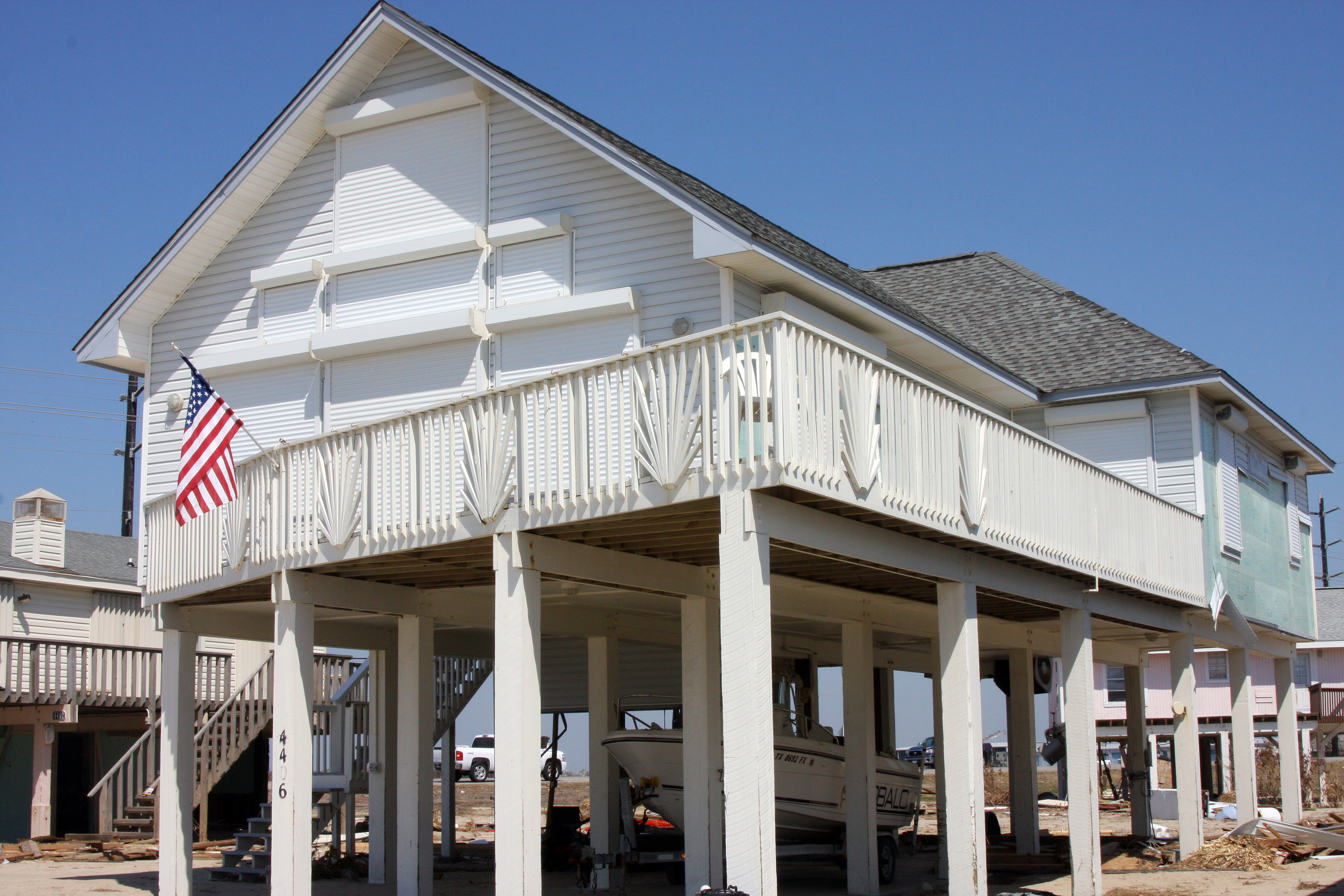
Image credit: Robert Kaufmann / FEMA · Public domain · Wikimedia Commons
Primary source: Texas Department of Insurance ↗
Filed under
- texas safety
- texas heat
- texas storms
- moving to texas
- hurricane preparedness
- texas allergies
- texas wildlife
- texas home safety
From the magazine
More stories to read next
Moving Here
Texas vs. Florida: The Relocation Tradeoffs That Actually Matter
August 20, 2026 · About 17 minutes
Moving Here
Texas vs. California: What Changes When You Actually Move
August 20, 2026 · About 17 minutes
Moving Here
Texas Cities and Regions: How Houston, DFW, Austin, San Antonio and the Rest Really Differ
August 19, 2026 · About 8 minutes