home garden
A Texas Hurricane Preparation Guide for Homeowners and Renters
Hurricane preparation is easier before the Gulf starts getting busy. Build a practical Texas plan for evacuation, power loss, flooding, pets, medications, insurance records and the first days after a storm.
The worst time to invent a hurricane plan is when the forecast cone has moved over your county and every gas station, grocery aisle and hardware store is full. Texas hurricane preparation works best when the decisions that take time—insurance records, evacuation routes, prescriptions, pet plans and home maintenance—are handled long before a named storm becomes personal.
A useful plan also separates three different hazards that people often collapse into one word: wind, storm surge and inland flooding. Your response to each may be different. A home far from the coast can avoid storm surge and still lose power for days or flood from intense rainfall.
The Texas hurricane checklist to finish before a storm is in the Gulf
- Know whether local officials can order your area to evacuate and which routes you would use.
- Photograph every room, major appliance and valuable before storm season.
- Save insurance policies, deductibles and claim numbers somewhere accessible away from the house.
- Keep prescriptions, pet records and identification ready to travel.
- Maintain gutters, roof drainage and trees before summer storms arrive.
- Test generators, battery packs, weather radios and flashlights.
- Know how pool, well, septic and irrigation systems behave without power.
- Keep vehicles reasonably fueled during active storm periods.
- Decide where you would go if you had to leave for two nights, one week or longer.
Start with the evacuation decision before there is a storm
Know whether your home is in an evacuation zone and learn the routes local officials use. If you would leave, decide where you would actually go. A plan that says 'drive north' is not enough when hundreds of thousands of other people have the same idea.
Think through relatives, hotels, pet-friendly lodging and backup destinations. Keep a paper map in the vehicle because mobile service and navigation apps can become unreliable when networks are overloaded.
Evacuation timing matters as much as destination
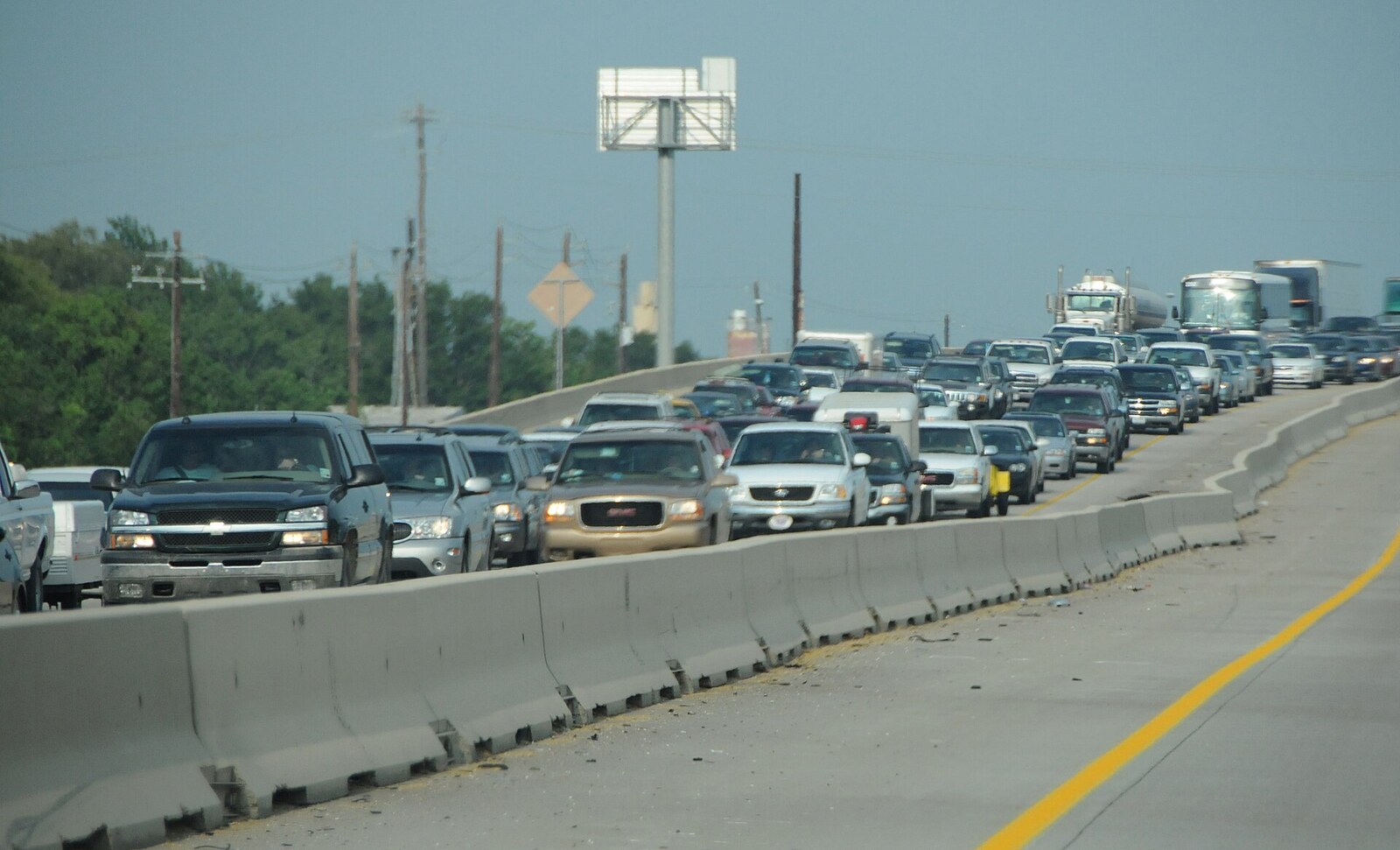
Leaving too late can turn a manageable trip into hours of traffic with fewer fuel and lodging options. Leaving when officials order it also helps keep roads available for the people at highest risk instead of forcing emergency crews to rescue residents who ignored surge or flood warnings.
Households with mobility needs, medical equipment, infants, large animals or limited transportation should make the decision earlier because their logistics take longer. A hurricane plan should include who helps, which vehicle is used and what happens if the first destination becomes unavailable.
Storm surge is different from ordinary flooding
Storm surge is seawater pushed inland by a storm. It can move with tremendous force and can reach places that are not normally near the water. If officials order an evacuation for surge risk, protecting the house is secondary to leaving the area.
Rainfall flooding is different. It can happen well inland, sometimes after the center of a storm has weakened. Roads that were passable earlier can become dangerous later. Never treat standing floodwater as a routine driving obstacle.
Wind risk does not stop at the beach
Hurricane-force and tropical-storm-force winds can extend well inland depending on storm size and track. Straight-line wind can also damage roofs, fences, trees and power infrastructure far from the surge zone.
The practical response is to remove projectiles before the storm: patio furniture, umbrellas, grills, toys, loose planters, tools, basketball goals and anything else that can move in strong wind.
Build a power-outage plan, not just an emergency kit
- Keep flashlights and headlamps where you can reach them in the dark.
- Store battery packs and charging cables together and charge them before severe weather.
- Know how long essential medications can safely remain outside refrigeration, if applicable.
- Have a way to receive weather information without relying on home internet.
- Plan for safe food storage and know when refrigerated or frozen food should be discarded.
- If anyone depends on powered medical equipment, make a backup-power and relocation plan well in advance.
A generator can be useful, but it also creates carbon-monoxide risk. Portable generators belong outdoors, far from windows, doors and garages, and they must never be used inside a house, garage or enclosed patio.
Plan generator fuel and connection before the outage
Testing a generator once a year is more useful than owning one that will not start. Keep approved fuel containers, extension cords rated for the load and the manufacturer's operating instructions together. If a generator connects to household circuits, use properly installed transfer equipment rather than an improvised backfeed connection.
Water deserves its own plan
Municipal water systems are often resilient, but storms can create boil notices, pressure problems and local disruptions. Store drinking water before the rush begins, especially for households with infants, older adults, pets or medical needs.
Do not forget sanitation. A power outage can affect lift stations, wells or septic systems differently depending on the property. Know how your home handles wastewater before the weather turns bad.
Well and septic homes need a different outage plan
A private well typically depends on electricity unless backup power is available. Septic systems can also depend on pumps or aerobic treatment equipment. A rural or exurban household should know which components stop working without power and how long the system can safely operate under reduced use.
Protect the house from the outside in
- Clear gutters and drains so heavy rain has somewhere to go.
- Bring in patio furniture, grills, toys, planters and anything else that can become airborne.
- Trim obviously dead or dangerous limbs before storm season rather than when a storm is approaching.
- Know how storm panels, shutters or other opening protection are installed if your home uses them.
- Photograph the exterior and each room before the storm for an insurance record.
- Move valuable documents, electronics and sentimental items above known flood-prone levels when practical.
Roofs, gutters and garage doors deserve special attention
A roof already missing shingles or flashing has less margin when wind-driven rain arrives. Gutters packed with debris can overflow beside foundations, and weak garage doors can be vulnerable to wind pressure. Storm season is a reason to fix known defects early, not an excuse to climb onto a wet roof as conditions deteriorate.
Pools do not become irrelevant during a hurricane
A backyard pool is part of the property drainage and electrical environment. Secure loose pool furniture, toys and umbrellas, maintain a reasonable water level according to the equipment professional's guidance, and know how the pump and automation will respond to a power outage.
Do not drain an in-ground pool simply because a hurricane is approaching. Groundwater and saturated soil can create structural problems for an empty shell. Equipment shutdown and restart procedures should follow the manufacturer's or pool professional's guidance.
Renters need a plan too
A landlord is responsible for the building, not for replacing a renter's belongings after every kind of loss. Renters insurance can cover personal property under the terms of the policy, and the lease may contain instructions about storm preparation, balcony items, parking or evacuation.
Renters should know who to contact if the property is damaged and where they would stay if the unit becomes uninhabitable. Save the lease, insurance policy and property-management contact information somewhere accessible away from the apartment.
Apartment residents should plan for stairs and parking
A power outage can disable elevators, gates, garage doors, access-control systems and hallway lighting. Residents with mobility limits should understand the building's emergency procedures before a storm. Vehicles parked in low garages or flood-prone lots may need to be moved early.
Pets turn a vague evacuation plan into a specific one
Carriers, leashes, food, medications, vaccination records and identification should be ready before hurricane season. Not every shelter or hotel accepts every animal, so pet owners need to know their options before they are driving in an evacuation line.
Keep the documents that make recovery easier
- Insurance policy declarations and claim phone numbers.
- A home inventory with photos or video.
- Vehicle titles, identification and important account contacts.
- Medical and prescription information.
- Receipts for major home improvements and expensive personal property.
- Digital copies stored somewhere that does not depend on the home computer surviving.
Know the difference between homeowners and flood coverage
A homeowners policy and a flood policy are not the same product. Coverage depends on the policy, cause of loss, exclusions and deductibles. Review the declarations before storm season and ask the insurer or agent about anything you do not understand while there is still time to make decisions.
Windstorm coverage can also work differently in some coastal areas. The Texas Department of Insurance is a useful starting point for understanding Texas-specific consumer protections and coastal insurance questions.
Fuel early, not dramatically
The goal is not to hoard fuel. It is to avoid starting hurricane preparation with an empty tank. During the season, keeping vehicles reasonably fueled gives a household more options if conditions change quickly.
If you store gasoline for approved equipment, use proper containers and safe storage practices. Never improvise storage in unsuitable containers or keep fuel inside occupied living space.
The day before impact is for execution, not invention
Once a serious threat is close, follow official local guidance. Finish the steps already planned: charge devices, set refrigerator and freezer temperatures appropriately, secure outdoor items, move vehicles if flooding is a concern and leave if evacuation is ordered.
Text messages may go through when voice calls do not. Choose one out-of-area family contact so everyone knows who will collect updates if local networks become difficult.
After the storm, the hazards change
- Avoid downed power lines and assume they are energized.
- Do not enter floodwater around electrical equipment.
- Use generators only in safe outdoor locations.
- Photograph damage before major cleanup when it is safe to do so.
- Watch for damaged trees, unstable structures, gas leaks and contaminated water.
- Keep receipts for storm-related expenses that may be relevant to an insurance claim.
Do not rush back into a damaged area
Road closures, debris, floodwater, fuel shortages and emergency operations can make returning immediately unsafe even when the weather is clear. Follow local reentry instructions and remember that a neighborhood without visible standing water can still have energized lines, damaged gas systems or unstable trees.
The first insurance call should be organized
When it is safe, document the condition of the property before major cleanup. Prevent additional damage when practical, keep receipts and create a simple claim log with the date, person contacted and next step. A storm can generate dozens of calls and emails; a written record reduces confusion.
Build a hurricane file once and reuse it every year
- Evacuation destinations and routes.
- Insurance policies and deductibles.
- Home inventory and major receipts.
- Pet and medication records.
- Utility and contractor contacts.
- Generator instructions and maintenance dates.
- Photos of the property before storm season.
- A checklist for outdoor items, pool equipment and vehicles.
A good hurricane plan is mostly ordinary preparation
The useful work is not dramatic. It is knowing where to go, keeping records, maintaining the house, protecting medications, planning for pets and making sure the household can function for a while without normal utilities.
Texas hurricane season will always bring uncertainty. A written plan cannot control the forecast, but it can remove a remarkable number of bad decisions from the hours when the forecast matters most.
Filed under
- texas hurricane
- hurricane preparation
- gulf coast
- emergency kit
- evacuation
- home preparedness
- storm surge
- power outage
From the magazine
More stories to read next
Front Porch
Texas Backup Power Guide: Portable Generators, Standby Systems, Transfer Switches and Outage Safety
August 22, 2026 · About 17 minutes
Front Porch
Texas Wildfire Home Protection: Embers, Defensible Space, Evacuation and Rural Property Risk
August 22, 2026 · About 17 minutes
Front Porch
Texas Pool Owner Guide: Chemistry, Pumps, Freeze Protection, Storms, Leaks and Energy Use
August 22, 2026 · About 17 minutes

.jpg%3Fwidth%3D1600)
