guides
30 Places Everyone Should Visit in Texas at Least Once
A Texas bucket list should include canyons, desert mountains, missions, beaches, spring-fed water, historic towns and more than one kind of city.
The best Texas bucket list is deliberately varied. A trip made entirely of big cities misses the landscape; a trip made entirely of parks misses the food, history and cultural geography that make the state distinctive.
The 30-place Texas starter list
- Big Bend National Park
- Guadalupe Mountains National Park
- Palo Duro Canyon
- Caprock Canyons
- Caddo Lake
- Enchanted Rock
- Hamilton Pool area
- San Antonio Missions
- The Alamo
- Padre Island National Seashore
- Galveston
- Fredericksburg
- Gruene
- Marfa
- Fort Davis
- Lockhart
- Waco
- Austin
- San Antonio
- Houston
- Dallas
- Fort Worth Stockyards
- El Paso
- Corpus Christi
- Rockport-Fulton
- Brazos Bend State Park
- Lost Maples State Natural Area
- Dinosaur Valley State Park
- Monahans Sandhills
- one courthouse-square small town you have never heard of
Build by region, not by fame
Trying to connect Big Bend, Dallas, Galveston and the Hill Country in a short trip creates more windshield time than travel time. Pick a region, then combine one major anchor with nearby towns, parks and food.
The famous places are gateways
Big Bend leads into Terlingua, Alpine, Marathon and Fort Davis. San Antonio can lead into the Hill Country. Galveston can open a Gulf Coast trip. The point of a bucket list is to create deeper trips, not collect check marks.
Choose places that explain different Texas landscapes
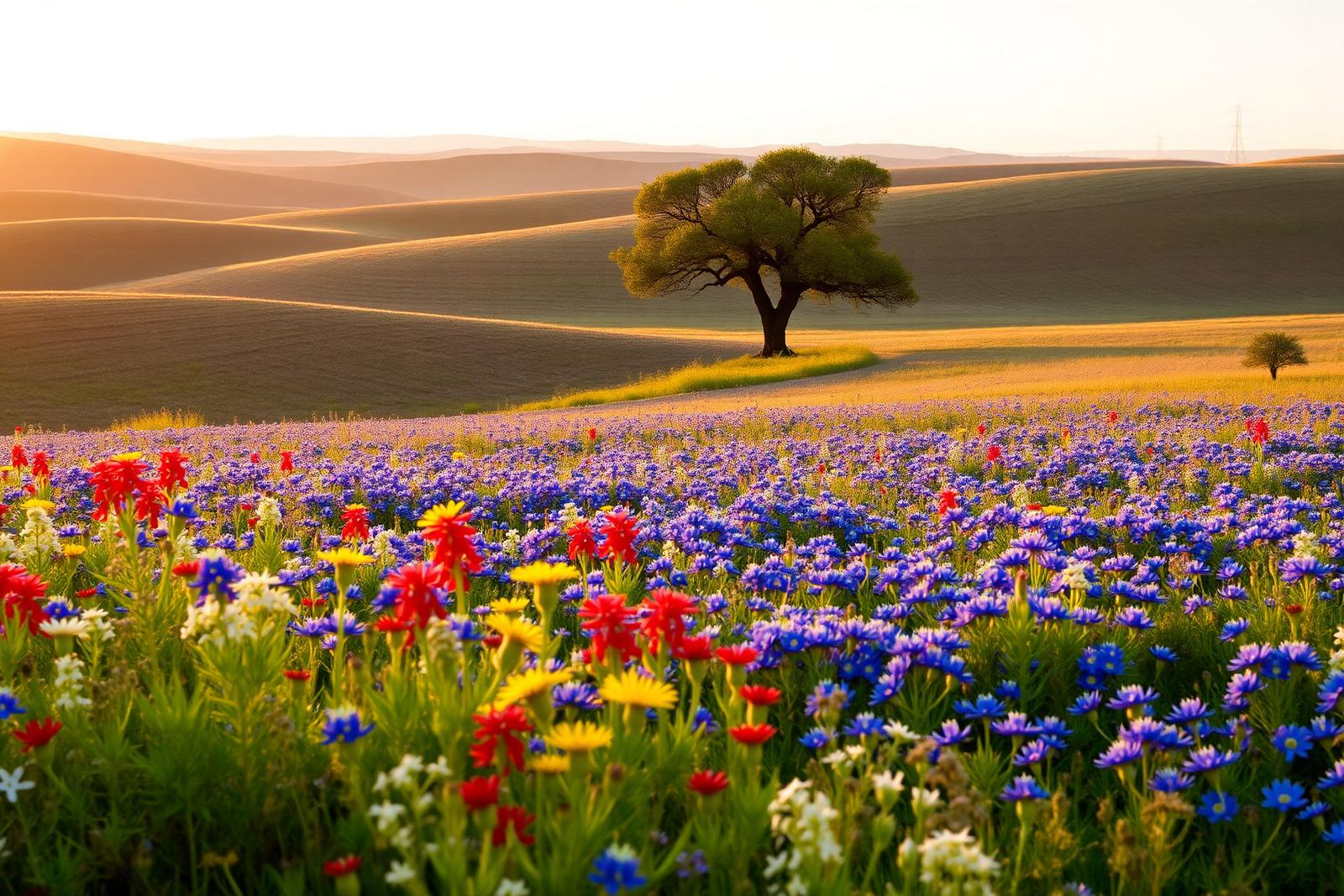
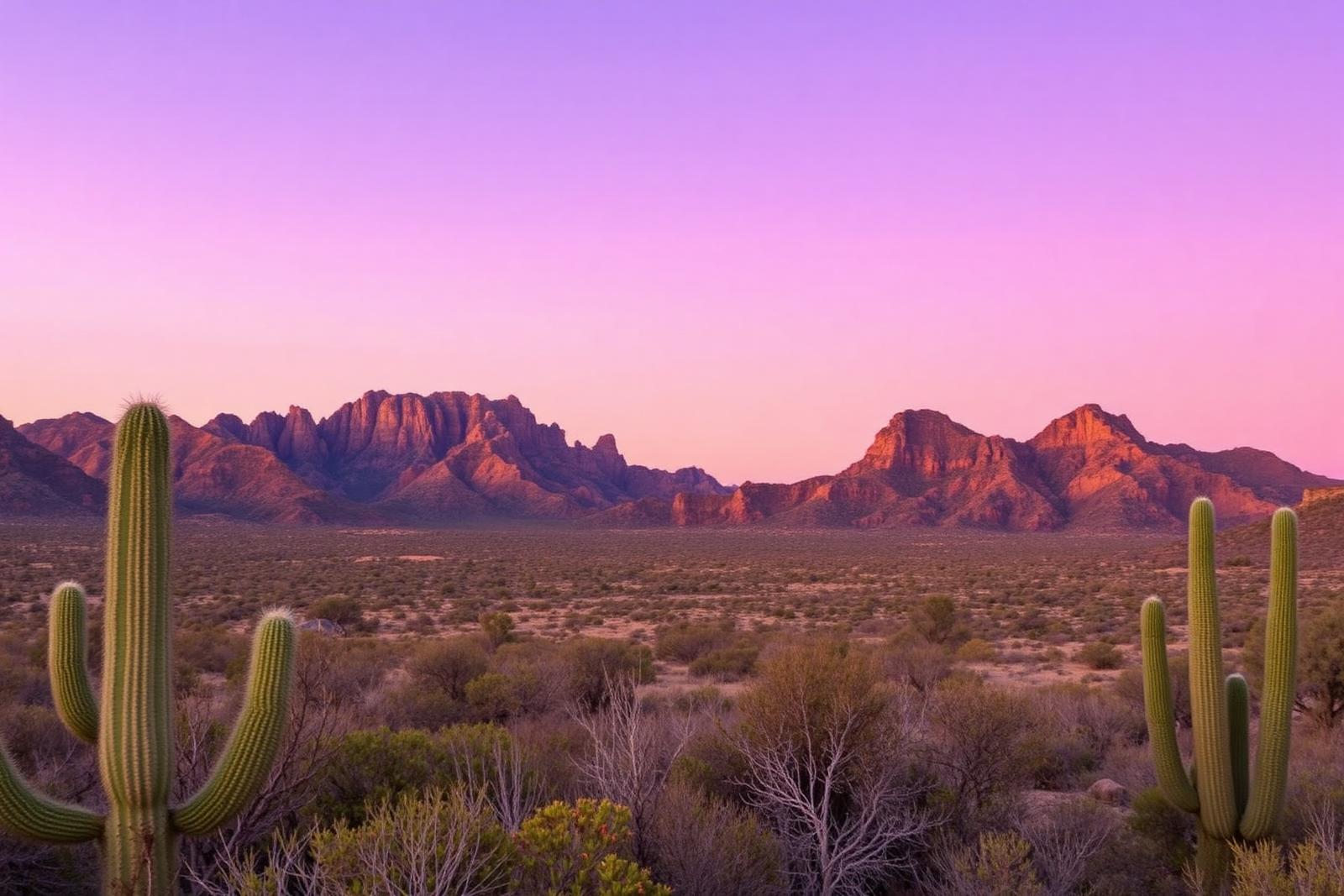
A useful Texas destination list should not be twenty versions of the same trip. Big Bend explains desert and mountain scale. Palo Duro reveals the Panhandle's canyon country. Caddo Lake shows a wet, wooded East Texas landscape. The Gulf Coast adds barrier islands and bays. San Antonio's missions connect modern city life to centuries of borderlands history.
That variety is the reason to organize a lifetime list by landscape and story rather than fame. A traveler who has seen one great Hill Country swimming hole may learn more from a Piney Woods forest, coastal wildlife refuge or courthouse town than from another similar river stop.
Balance headline attractions with places that reward slower travel
Some destinations deserve advance reservations and a full day. Others are best experienced through a downtown walk, historic site, scenic road or local meal. Mixing those travel modes prevents an itinerary from becoming a sequence of parking lots and photo stops.
Use managing-authority information for parks and historic sites, especially when weather, trail conditions or capacity can change access. For remote destinations, verify fuel, water and daylight needs before departure. For major cities, choose neighborhoods or districts rather than treating the whole metro as one attraction.
Make the list personal enough to be useful
A family with young children, a history traveler, a birder and a long-distance hiker should not have identical top-ten lists. Start with the Texas experiences you care about—food, water, music, history, wildlife, architecture or open landscapes—then use statewide variety to choose destinations that add something new.
The best Texas list is the one that creates several coherent trips instead of one exhausting attempt to collect every famous place at once.
Use a six-landscape test to avoid a repetitive bucket list
A statewide list becomes more useful when it includes genuinely different environments. One workable test is to include desert or mountains, canyon or plains, pine forest or wetland, Gulf Coast, limestone Hill Country and at least one major urban or historic landscape. The exact destinations can change, but the variety forces the trip plan to explain more of Texas than a popularity ranking clustered around one metro.
That approach also makes repeat trips easier. If a first trip covers San Antonio and the Hill Country, the next could focus on Big Bend; another could combine East Texas and Caddo Lake; another could follow the Gulf. The bucket list becomes a set of coherent journeys rather than a checklist that sends travelers back and forth across the state.
Match access and preparation to the managing authority
National parks, state parks, historic sites, wildlife areas and city attractions have different reservation systems and operating rules. A famous name on a list is not enough information to plan the day. Verify the official site for fees, current closures, tour schedules, trail conditions, parking and accessibility before committing the route around it.
Remote destinations need a second layer of planning. Big Bend and other far-West Texas trips can involve long fuel gaps and limited services. Gulf and river destinations can be altered by storms or high water. Popular state parks can hit capacity. The more a place depends on weather, limited entry or a long approach drive, the more important it is to build a backup into the same region.
Separate places worth a trip from places worth a stop
Some Texas destinations justify several days because the surrounding region adds depth: Big Bend, San Antonio, the Hill Country, the Gulf Coast and the major metros can all support layered itineraries. Others are excellent two-hour or half-day stops that make a road trip richer. Treating every place as an equal all-day attraction creates rushed schedules and can make a genuinely good stop feel disappointing.
A strong destination guide should tell readers why the place matters, how much time it deserves, what it pairs with and what practical condition could change the visit. Those four answers are more useful than a longer list of names. They also help travelers build trips that feel different from one another as they continue exploring the state.
Season and distance can change which famous place belongs on this trip
Texas destinations do not have equal value in every month. A Gulf beach, desert trail, spring-fed swimming area, migratory-bird stop and courthouse town respond differently to heat, storms, water conditions, daylight and event calendars. Instead of forcing a fixed top-ten list onto every season, ask which landscapes are at their best and which can be saved for a more comfortable or ecologically interesting time of year. That approach also reduces the temptation to spend a whole day driving toward a famous place that is poorly matched to current conditions.
Distance should be evaluated in usable travel time rather than visual proximity on a statewide map. A destination that requires a long out-and-back drive may deserve an overnight stay or a separate regional trip, while a smaller place directly on the route may add more value to the day. Build clusters around a base town or corridor, keep the longest drive attached to the experience that justifies it, and leave enough daylight and energy for the return. Texas feels larger in person than it does on a planning screen, and itineraries improve when that scale is treated as part of the destination rather than dead time between attractions.
For families or mixed-interest groups, choose one anchor everyone agrees is worth the drive and let the surrounding stops serve different interests: scenery, food, history, wildlife or a short walk. That produces a more resilient day than scheduling several high-effort attractions back to back. It also makes weather changes easier to absorb because the route already contains lower-exposure alternatives in the same region.
Primary source: Travel Texas — Things to Do in Texas ↗
Filed under
- places to visit in texas
- texas bucket list
- best places in texas
- texas travel
- texas destinations
Plan the trip
Places connected to this story
Destinations explicitly tied to this article in the Texas Defined guide.
Terlingua
Chisos Basin, Big Bend
The mountain heart of Big Bend National Park, where the Chisos rise above the Chihuahuan Desert and major trails begin from a high-elevation basin surrounded by cliffs and iconic views.
Best season: Fall through spring for the broadest hiking comfort; always check current heat, weather and access alertsUpdated Aug 2026- Window View and Window Trail scenery
- High-elevation Chisos Mountains hiking
- Big Bend National Park dark skies
From the magazine
More stories to read next
The Texas Guidebook
Texas by Season: A Practical Bucket List for Spring, Summer, Fall and Winter
August 20, 2026 · About 14 minutes
The Texas Guidebook
20 First-Time Texas Travel Mistakes—and How to Avoid Them
August 20, 2026 · About 16 minutes
The Texas Guidebook
21 Texas Traditions You Should Experience at Least Once
August 20, 2026 · About 16 minutes