Desert, canyon, coast and springs
Texas Natural Wonders Bucket List: 12 Landscapes That Show the State's Range
Texas is not one landscape. These twelve places reveal desert mountains, canyons, cypress swamps, spring-fed pools, barrier islands, dunes and Hill Country limestone.
Quick answer
The short version
A balanced Texas natural-wonders list should include Big Bend, Guadalupe Mountains, Palo Duro Canyon, Caddo Lake, Enchanted Rock, Padre Island National Seashore, Balmorhea, Caprock Canyons, Monahans Sandhills, the Devils River country, a Hill Country spring system and the Rio Grande canyons. Together they show how dramatically the state changes from east to west and north to south.
01
Big Bend National Park
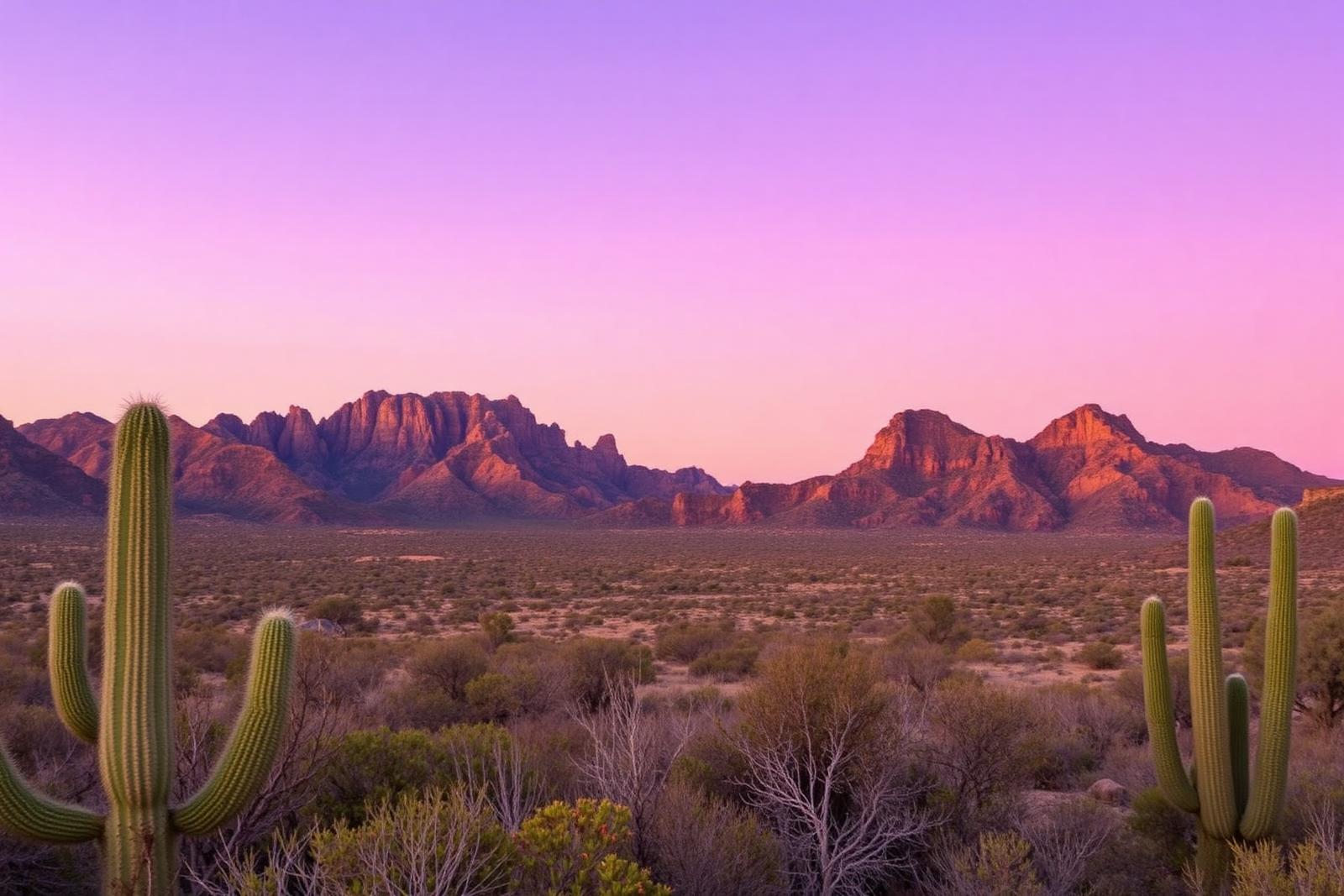
Big Bend compresses desert, mountains and river canyons into one enormous protected landscape. The Chisos Mountains rise from the Chihuahuan Desert while the Rio Grande cuts deep walls along the international boundary.
It deserves more than a drive-through. Distances inside the park are large, summer heat can be severe and the best experience often comes from giving the region multiple days.
02
Guadalupe Mountains National Park
Guadalupe Peak gives Texas its highest point, but the range is equally important for its exposed ancient reef geology, desert ecosystems and unexpectedly rugged hiking.
The park feels very different from Big Bend even though both are in West Texas. Seeing both is one of the fastest ways to understand how varied the state's mountain country really is.
03
Palo Duro Canyon
The Panhandle's flat horizon suddenly breaks open into layered red and orange canyon walls at Palo Duro. The contrast between plains and canyon is what makes the first overlook so effective.
Hiking, scenic drives and the scale of the canyon make it one of the strongest natural anchors for a Panhandle road trip.
04
Caddo Lake
Bald cypress, Spanish moss, sloughs and bayous make Caddo Lake look unlike the dry or limestone landscapes many visitors associate with Texas. The maze-like wetlands also support exceptional bird and aquatic habitat.
It is one of the best reminders that East Texas belongs ecologically to a very different world from the Hill Country or Trans-Pecos.
05
Enchanted Rock
The giant pink-granite dome rises above the Hill Country as both a geological landmark and a cultural one. The climb is relatively short but exposed, so heat and timing matter.
Pair it with Fredericksburg, nearby ranch roads and Hill Country towns rather than treating the dome as an isolated stop.
06
Padre Island National Seashore
The long undeveloped barrier island protects beach, dune and coastal habitat on a scale that distinguishes it from more urbanized Gulf destinations. Sea turtles and migratory birds make the ecological story as important as the beach itself.
Visitors should think about wind, tides, driving conditions and distance before treating remote beach access like an ordinary city beach day.
07
Balmorhea and spring-fed West Texas
Balmorhea's enormous spring-fed pool is startling because it sits in the Chihuahuan Desert. Clear water, fish and desert mountains make the contrast the attraction.
Spring systems are fragile, so conditions, closures and reservation requirements should always be checked before a long drive.
08
Caprock Canyons and the Texas State Bison Herd
Caprock Canyons combines red-rock terrain with one of the state's most important wildlife stories: the Texas State Bison Herd. The animals are not decorative additions to the landscape; they are central to understanding Plains ecology and conservation.
Keep distance from bison and treat wildlife warnings seriously. The best wildlife encounters are the ones that do not alter animal behavior.
09
Monahans Sandhills
Wind-shaped dunes create a landscape many first-time visitors do not expect to find in Texas. The park is known for walking the dunes and sliding on sand disks, especially when temperatures are manageable.
The visual simplicity is the draw: sand, wind and an enormous West Texas sky.
10
Devils River country
The Devils River is prized for clear spring-fed water cutting through remote limestone country. Its beauty is inseparable from its remoteness, which means access requires more planning than an ordinary river stop.
Treat this as a conservation landscape first and a recreation site second. Water, access rules, private land boundaries and logistics deserve advance attention.
11
Hill Country springs and limestone water
Barton Springs, Jacob's Well, Hamilton Pool and other Central Texas water features come from the same broad limestone-and-aquifer story. They look different on the surface but are connected by karst geology and groundwater.
Reservations, drought and water-quality conditions can change access. A durable guide should teach the system rather than promise that every swimming hole is always open.
12
The Rio Grande canyons
Santa Elena, Boquillas and other canyons show the Rio Grande doing geological work on a monumental scale. Vertical walls narrow the river and create some of the most memorable scenes in Big Bend country.
The canyons also remind travelers that the river is an international boundary layered over a much older natural corridor.
Keep exploring