Food & Barbecue
Texas Is Bigger Than Brisket
Barbecue deserves the attention, but a real Texas food trip also means tortillas, kolaches, Gulf seafood, border cooking and the dishes that belong to specific towns.
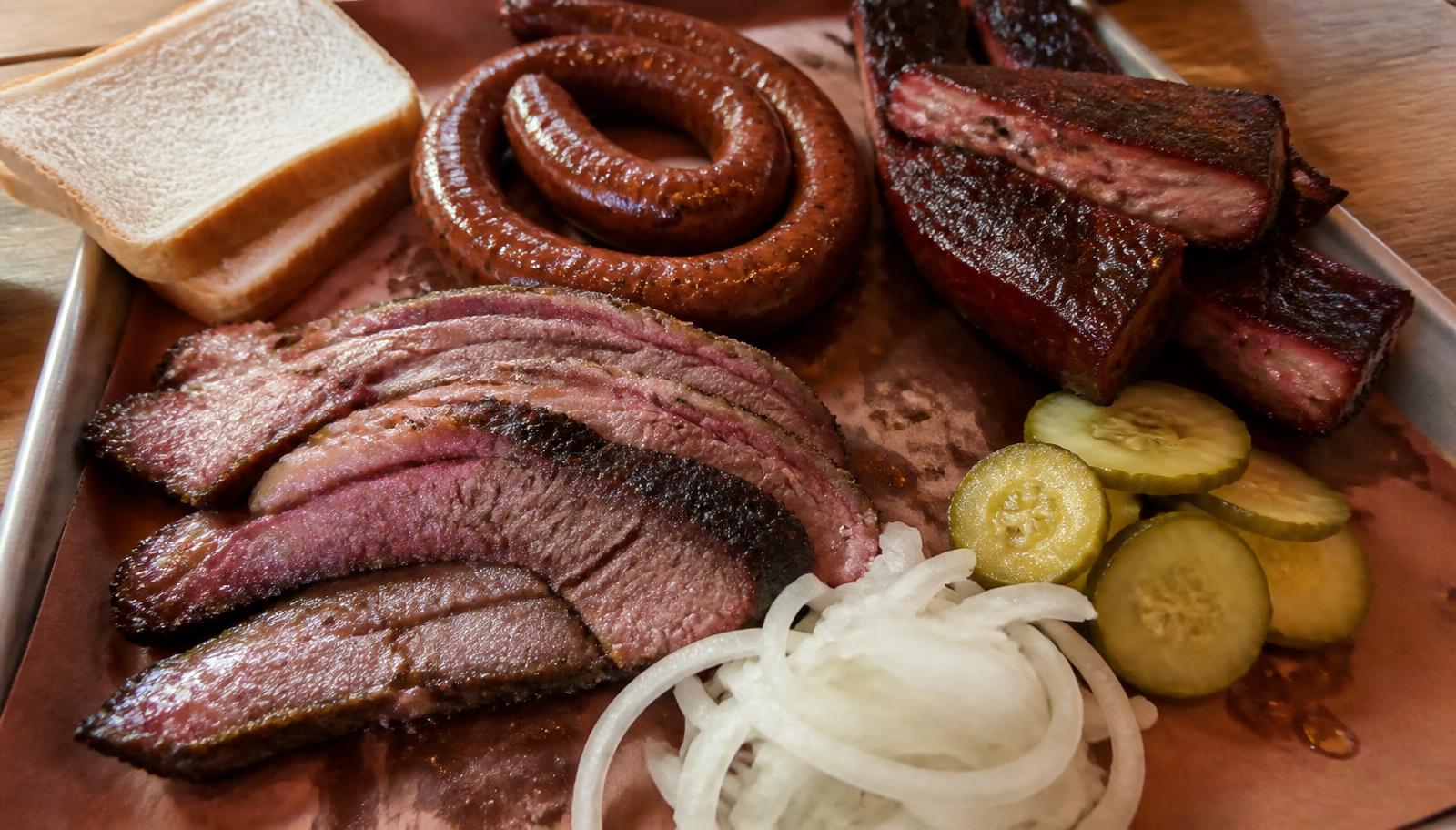
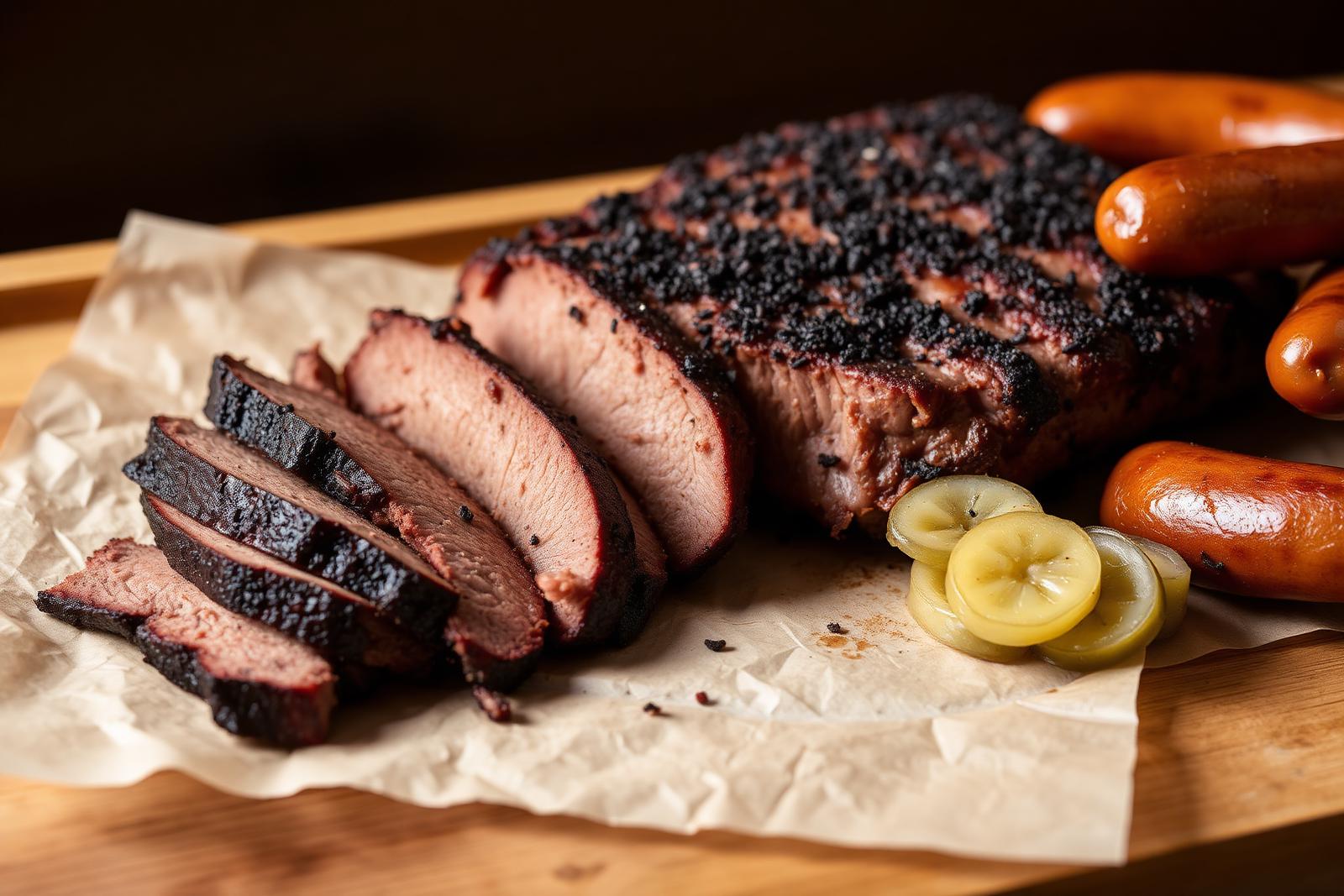
Brisket has become shorthand for Texas food, and it earned the role. A properly smoked brisket is one of the state’s great edible arguments. But organizing an entire food trip around barbecue alone misses the reason Texas eating is interesting: the state is a collision of cattle culture, Gulf seafood, Mexican and Tejano cooking, Czech and German migration, Southern traditions and whatever a town learned to make with the ingredients and labor it had.
Start with barbecue, but order past brisket
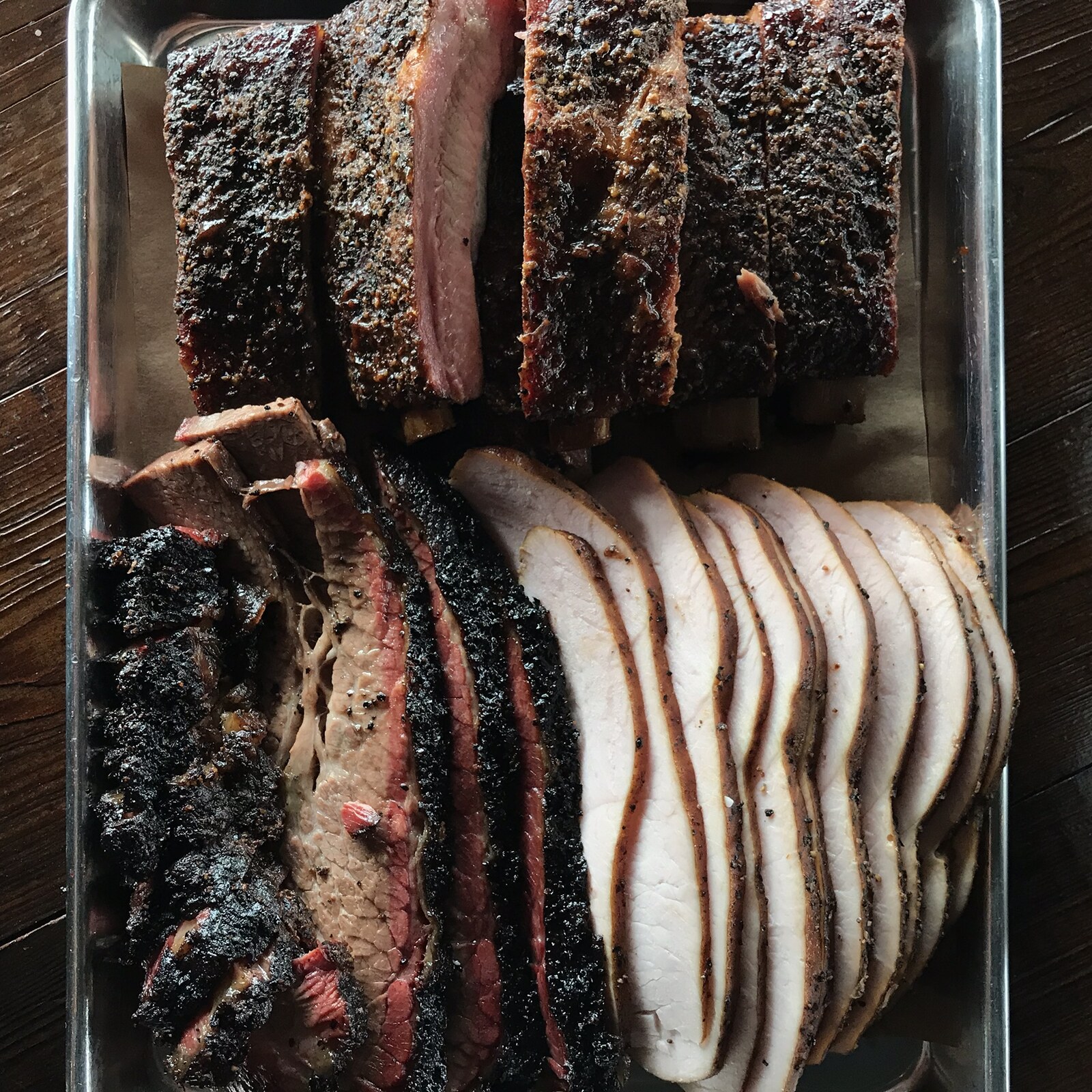
Central Texas barbecue makes the clearest introduction because the method is so exposed. Salt, pepper, smoke, time and meat leave little room to hide. Order brisket, then add sausage. Sausage often tells you more about a place’s butcher roots and willingness to make rather than simply smoke. Pork ribs, turkey and house specialties can show how far a pit has moved from the old meat-market model.
Breakfast is where Texas gets regional
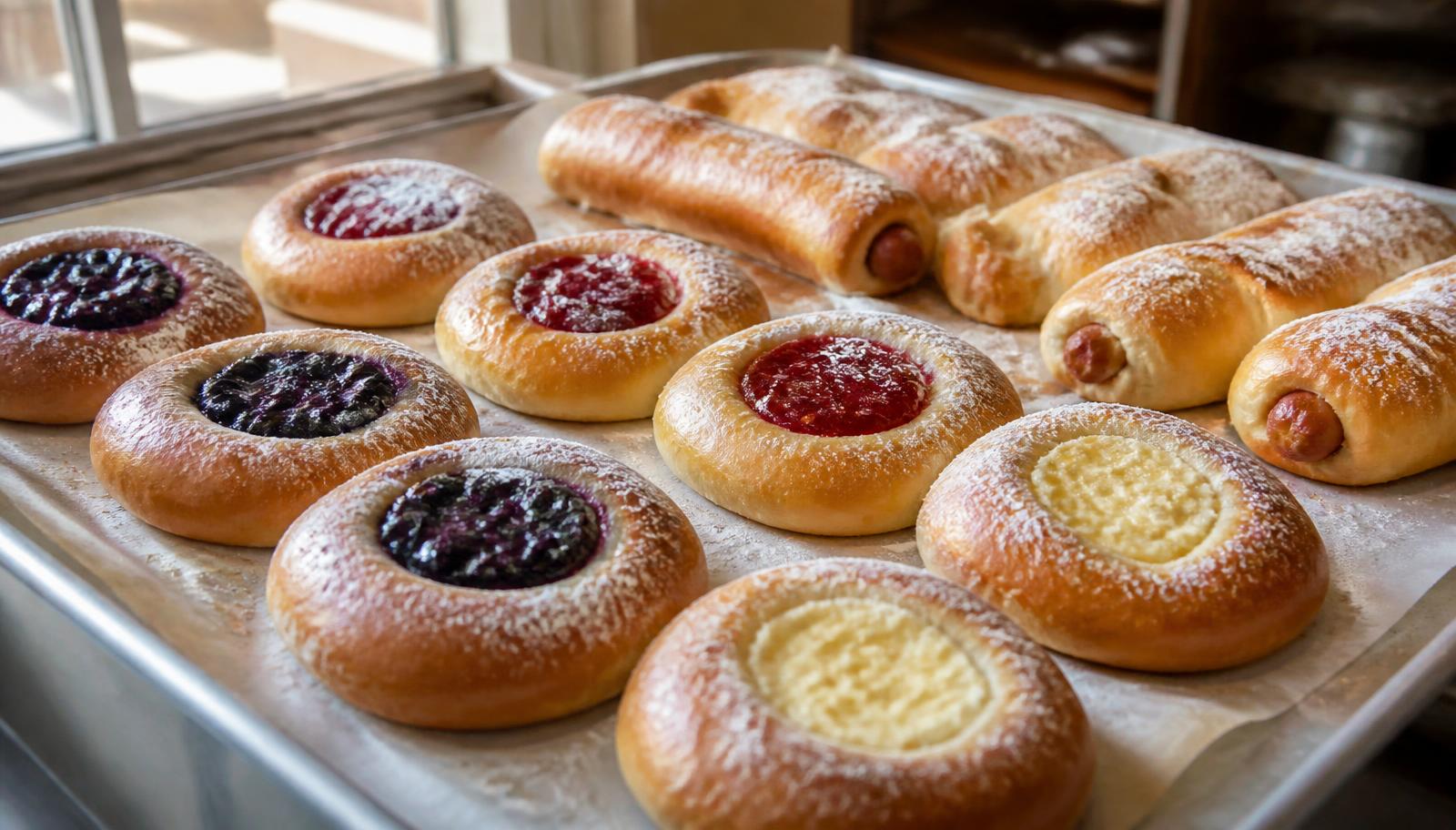
Breakfast tacos in San Antonio, Austin and South Texas are not interchangeable, and neither are kolaches and klobasneks from Czech-influenced communities. The most useful food travel happens before the destination restaurants open. Bakeries, taquerias and cafes reveal what a town feeds itself when nobody is writing a review.
Follow the Gulf inland
Shrimp, oysters, redfish and other Gulf seafood shape menus far beyond the immediate coast. The best seafood trip pays attention to season, harvest conditions and preparation rather than assuming proximity alone guarantees quality. A simple plate in a working port can be more revealing than an elaborate coastal menu built mainly for visitors.
Border food is not one cuisine
El Paso, the Rio Grande Valley, Laredo and San Antonio each sit inside different food histories. Calling all of it Tex-Mex flattens distinctions that become obvious once you travel. Flour tortillas, barbacoa, carne guisada, enchiladas and breakfast plates change in style, texture and emphasis across regions.
- Order the specialty a place is known for before improvising your own combination.
- If a barbecue joint sells by weight, ask for smaller portions of more meats rather than one giant order.
- Do not confuse a long line with automatic quality, but understand that limited production can make sellouts real.
- Leave room for bakeries and breakfast; food trips collapse when every meal is treated like dinner.
- Ask what is local to the town, not just local to Texas.
“The best Texas food question is not ‘What should I eat?’ It is ‘What does this place make that the next town does differently?’”
Brisket can start the trip. It should not end the curiosity. Texas food becomes much more interesting once you stop looking for one statewide cuisine and start following the regional ones.
Filed under
- food
- barbecue
- tex-mex
- texas travel
From the magazine
More stories to read next
The Texas Table
Texas Barbecue Styles Explained: Central, East, South and West Texas
August 6, 2026 · About 11 minutes