texas history
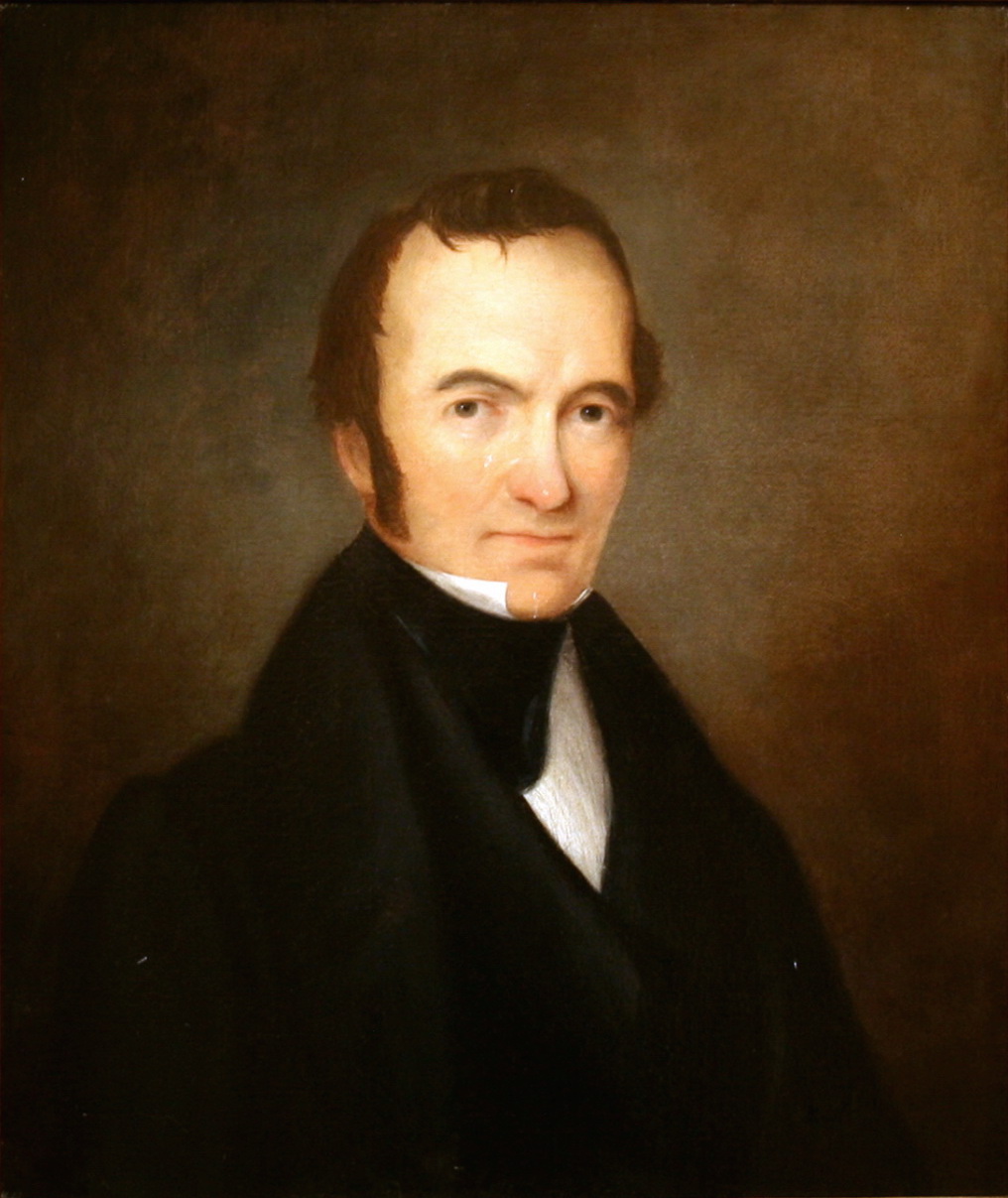
Stephen F. Austin: Why He Is Called the Father of Texas
Stephen F. Austin led the best-known empresario colony in Mexican Texas and became a central political figure in the events that led toward revolution and independence.
Stephen F. Austin is known as the 'Father of Texas' because his colonization work brought hundreds of Anglo-American families into Mexican Texas and helped establish a durable settlement network between the Brazos and Colorado rivers. The title can make his life sound inevitable, as though Texas statehood simply followed from his plan. In reality, Austin spent years trying to make a colony function inside changing Spanish and Mexican legal systems, balancing immigrant demands with obligations to the Mexican government before eventually supporting independence.
Moses Austin’s plan becomes Stephen Austin’s responsibility
Austin was born in Virginia in 1793 and grew up partly in Missouri’s lead-mining country. His father, Moses Austin, secured permission from Spanish authorities to settle families in Texas but died before the project could begin. Stephen inherited the plan. Mexico won independence from Spain in 1821, forcing Austin to renegotiate the arrangement with a new government. The result made him one of the most influential empresarios, contractors authorized to recruit and settle colonists.
The Old Three Hundred and the colony
The first families associated with Austin’s colony became known as the Old Three Hundred. They settled primarily in the fertile river valleys of Southeast and Central Texas. Austin surveyed land, handled disputes, worked with Mexican officials and helped establish local institutions. The colony’s growth also expanded slavery in Texas, despite Mexican efforts over time to restrict the institution. That tension is an essential part of understanding the economic and political world Austin helped build.
From accommodation to confrontation
Austin initially argued for cooperation with Mexico and spent much of his career seeking practical compromises. Immigration restrictions, tariff disputes, demands for separate statehood and the increasingly centralized policies associated with Antonio López de Santa Anna changed the political landscape. Austin traveled to Mexico City in 1833 to present Texan petitions. He was arrested in early 1834 and imprisoned for months without a formal trial, an experience that hardened his view of the relationship.
Austin and the Texas Revolution
When Austin returned to Texas in 1835, armed conflict was approaching. He briefly commanded volunteer forces during the opening phase of the revolution and then traveled to the United States with other commissioners to seek money, supplies and political support. After the victory at San Jacinto and the establishment of the Republic of Texas, Austin ran for president but lost decisively to Sam Houston. Houston then appointed him secretary of state.
A short final chapter and a long legacy
Austin died in December 1836 at only 43, just months after independence. His name survives in the Texas capital, Austin County, schools, roads and institutions across the state. Yet his most important legacy is the demographic and political transformation associated with empresario settlement. Studying Austin opens the door to Mexican Texas, colonization law, Tejano communities, slavery, immigration and the series of disputes that ultimately produced revolution.
Where to explore Austin’s story
Travelers can connect the biography to places including San Felipe de Austin, the colony’s political center, as well as Brazoria County, Washington-on-the-Brazos and the modern city of Austin. These sites fit naturally into a Texas history road trip and pair well with deeper guides to Sam Houston, Juan Seguín, the Alamo and the Battle of San Jacinto. Together they show why early Texas history is larger than any single battle or hero.
Why this story still matters
Austin’s importance comes from the administrative and political work behind settlement, not simply from the title later generations gave him. Texas State Library material and the Handbook of Texas trace his role in colonization, his dealings with Mexican authorities and settlers, and the political changes that eventually carried him from empresario work into the independence crisis. That chronology matters because it shows how gradual the break with Mexico was for many participants. Austin spent years operating within Mexican law and negotiating practical questions of land, migration, local government, and stability before circumstances and political positions changed. His biography therefore connects several eras that are often taught separately: Mexican Texas, organized Anglo-American colonization, rising conflict, revolution, and the Republic. Reading the whole sequence also makes the familiar “Father of Texas” label more informative. It describes influence, but the historical value lies in understanding the institutions, compromises, conflicts, and communities through which that influence actually worked.
Sources and further reading
- Texas State Library and Archives Commission — Stephen F. Austin: https://www.tsl.texas.gov/lobbyexhibits/homefortexashistory/stephenfaustin
- Handbook of Texas — Stephen Fuller Austin: https://www.tshaonline.org/handbook/entries/austin-stephen-fuller
Image credit: Public domain · Texas State Library and Archives Commission via Wikimedia Commons
Primary source: Texas State Library and Archives Commission ↗
Filed under
- Stephen F. Austin
- Father of Texas
- Old Three Hundred
- Mexican Texas
- Texas Revolution
From the magazine
More stories to read next
Then & Now
Texas National Cemeteries: Fort Sam Houston, Houston and Dallas–Fort Worth
August 21, 2026 · About 12 minutes
Then & Now
Texas Military Museums & Historic Sites: The Best Places to See the Story in Person
August 20, 2026 · About 19 minutes

.jpg%3Fwidth%3D1600)