texas history
Sam Houston: The Soldier, President and Statesman Who Helped Define Texas
From San Jacinto to the presidency of the Republic and later service as governor, Sam Houston’s life runs through the central arguments of early Texas history.
Few names are woven into Texas history as tightly as Sam Houston. He was a soldier, political leader, president of the Republic of Texas, United States senator and governor, but a list of offices misses what makes his story so useful for understanding Texas. Houston stood at the intersection of revolution, nationhood, annexation, sectional conflict and the Civil War. His triumph at San Jacinto helped secure Texas independence, while his later political choices showed that the man associated with Texas victory was often willing to oppose the loudest current of Texas politics.
From Tennessee to Mexican Texas
Houston was born in Virginia in 1793 and rose to prominence in Tennessee, where he served under Andrew Jackson, represented the state in Congress and became governor. After a dramatic withdrawal from Tennessee politics, he spent years among the Cherokee before moving into Mexican Texas in 1832. That complicated background mattered. Houston arrived with military experience, national political connections and a familiarity with Native nations that distinguished him from many other Anglo-American leaders in Texas.
San Jacinto and the creation of a republic
During the Texas Revolution, Houston became commander in chief of the Texian army. After the fall of the Alamo and the killings at Goliad, his retreat eastward frustrated critics who wanted an immediate fight. Houston instead preserved his army, trained it and waited for an opening. On April 21, 1836, his force attacked Antonio López de Santa Anna’s army near the San Jacinto River. The short, decisive battle broke the Mexican army’s immediate campaign and produced Santa Anna’s capture. San Jacinto became one of the defining events in the Texas history story and remains essential context for anyone visiting the Houston and San Antonio regions.
President of the Republic of Texas
Houston was elected the first president of the Republic of Texas in 1836 and later served a second, nonconsecutive term. The new republic faced debt, diplomatic isolation, military danger and conflict over relations with Native peoples. Houston generally favored fiscal restraint and a less aggressive Indian policy than his successor Mirabeau B. Lamar. He also supported annexation by the United States, which finally occurred in 1845. The contrast between Houston and Lamar is one of the clearest windows into the competing visions for the young republic.
U.S. senator, governor and Unionist
After annexation, Houston represented Texas in the U.S. Senate and later became governor. His political career cannot be reduced to a modern party label. He was a slaveholder and a man of the nineteenth-century South, but he also opposed reopening the African slave trade, supported the Compromise of 1850 and resisted the drive toward secession. In 1861, after Texas voted to leave the Union, Houston refused to swear allegiance to the Confederacy and was removed from the governor’s office. That decision made the final chapter of his public life as consequential as his military victory decades earlier.
Where Sam Houston’s Texas can still be explored
Houston’s legacy is visible across the state. The city of Houston bears his name. The San Jacinto Battleground preserves the landscape of the revolution’s decisive battle. Huntsville, where Houston lived and died, is home to the Sam Houston Memorial Museum and his grave. These sites connect naturally with a broader Texas road trip through the state’s revolution and republic era, including San Antonio, Washington-on-the-Brazos and other Texas history destinations.
Why Sam Houston still matters
Houston is remembered as a Texas hero because of San Jacinto, but his fuller biography is more interesting than the monument. He could be ambitious, contradictory and politically stubborn. He helped win independence, led an unstable republic, promoted annexation and then opposed secession when many Texans demanded it. Those tensions make Houston more than a symbol. They make him one of the best guides to the difficult choices that shaped Texas from frontier province to republic, state and Civil War battleground.
Sources and further reading
- Handbook of Texas — Sam Houston: https://www.tshaonline.org/handbook/entries/houston-sam
- Texas State Library and Archives Commission — Sam Houston: https://www.tsl.texas.gov/exhibits/presidents/houston1/gtt.html
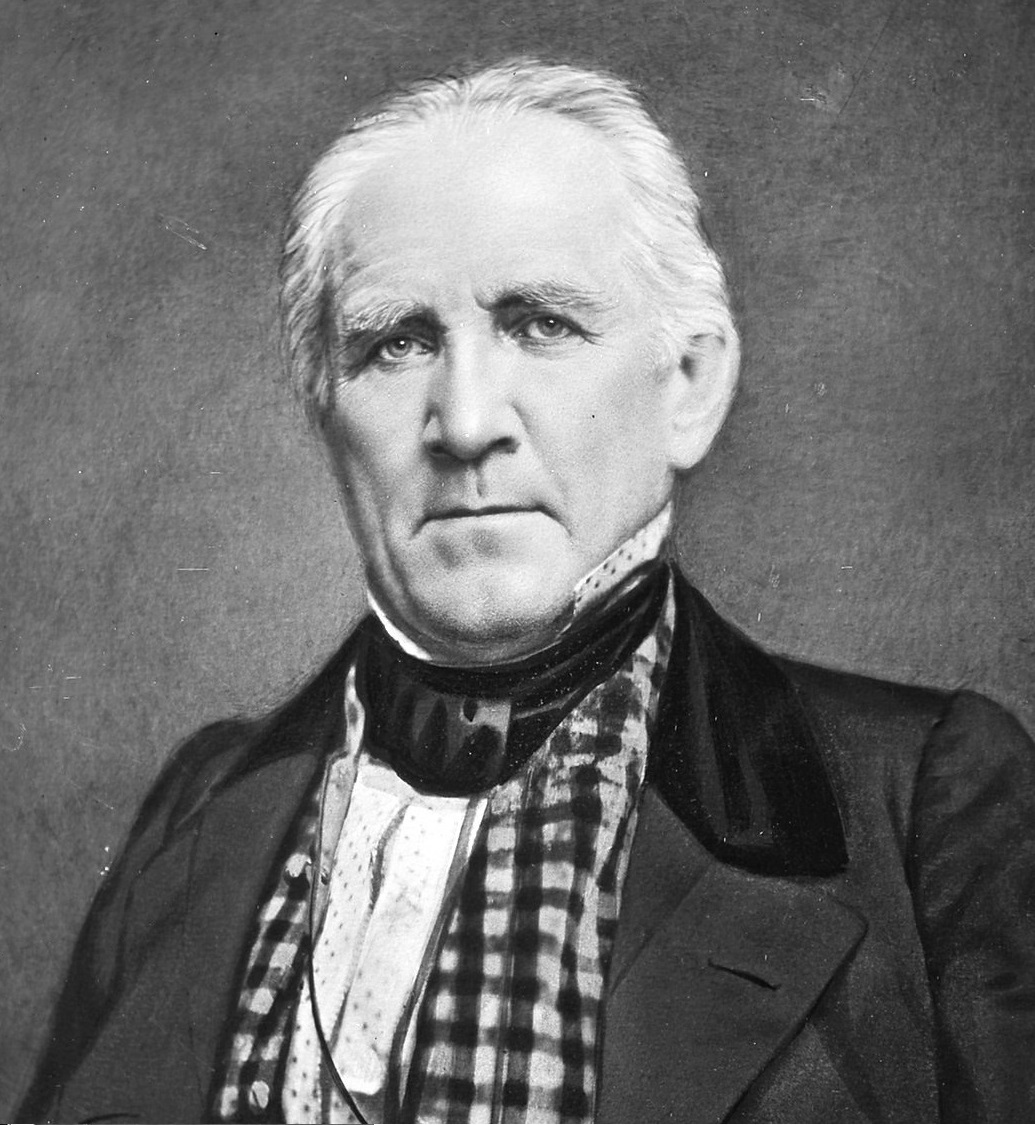
Image credit: Public domain · Mathew Brady / National Archives via Wikimedia Commons
Primary source: Texas State Historical Association ↗
Filed under
- Sam Houston
- Texas history
- Republic of Texas
- Battle of San Jacinto
- Texas Revolution
From the magazine
More stories to read next
Then & Now
Texas National Cemeteries: Fort Sam Houston, Houston and Dallas–Fort Worth
August 21, 2026 · About 12 minutes
Then & Now
Texas Military Museums & Historic Sites: The Best Places to See the Story in Person
August 20, 2026 · About 19 minutes

.jpg%3Fwidth%3D1600)