sports
Texas High School Football: Why Friday Night Lights Matter So Much Here
Big stadiums get the headlines, but Texas high school football endures because it ties schools, towns, bands, drill teams, families and generations into one weekly ritual.
Texas high school football is often described with clichés—religion, obsession, Friday Night Lights—but its staying power comes from something more specific. In hundreds of communities, a football game is the largest recurring civic event on the calendar. The players are students, but the night also belongs to marching bands, drill teams, cheerleaders, parents, alumni, boosters, teachers and younger children who imagine themselves on the field someday. The spectacle can be enormous, yet the cultural core is local.
How football became a Texas institution
High school football spread rapidly in Texas during the early twentieth century as schools and interscholastic competition expanded. The University Interscholastic League created a statewide structure for competition, classifications and championships. As automobiles, radio and newspapers connected towns more closely, school teams became symbols that could represent an entire community against the next town down the road.
The stadiums are real—but they are not the whole story
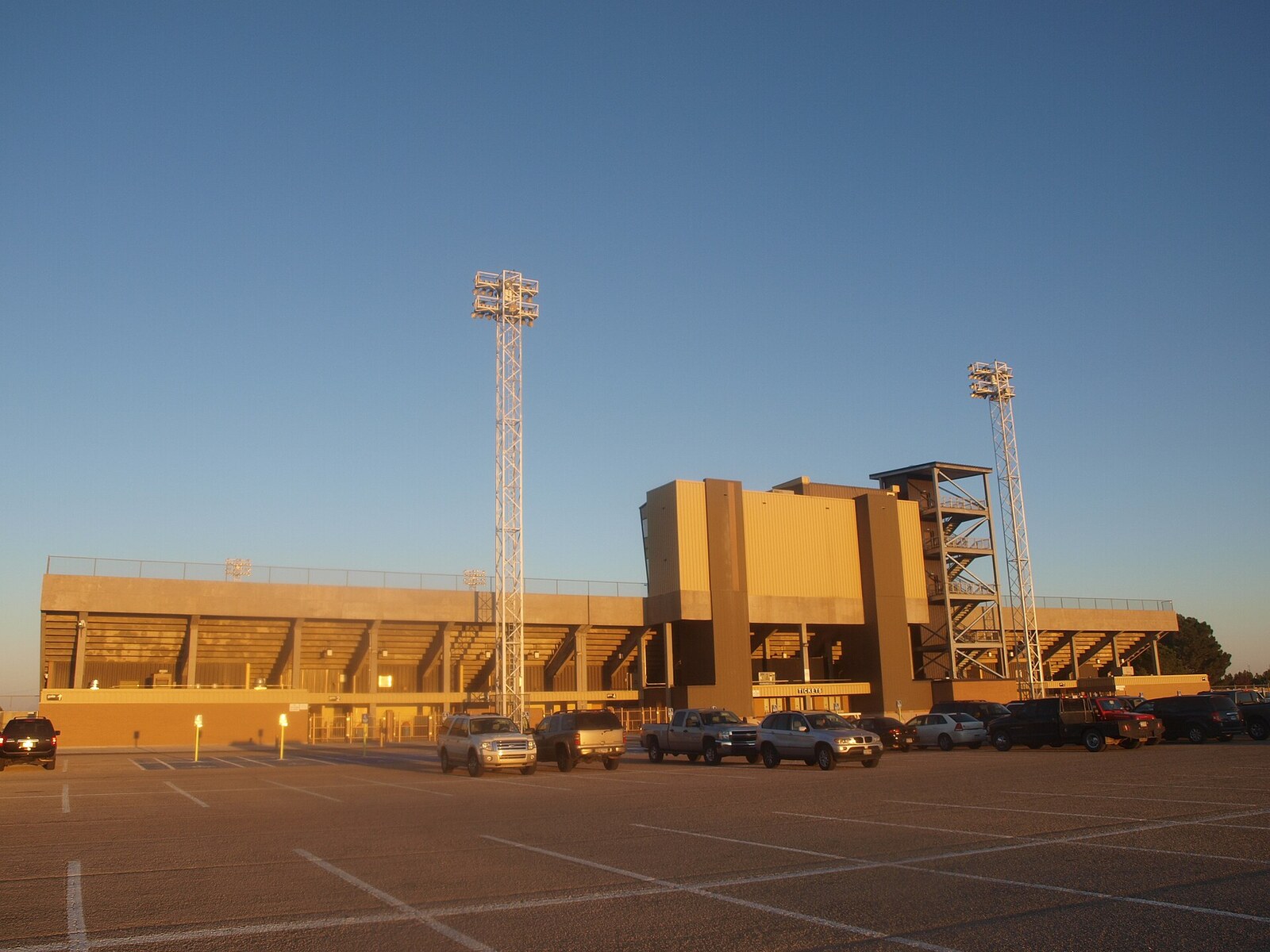
Texas periodically makes national news for multimillion-dollar high school stadiums in fast-growing suburbs. Those facilities are part of the story, especially in districts with large enrollments and major athletic programs. But a six-man game in a small West Texas town and a packed rivalry in the Rio Grande Valley can carry just as much local meaning. The scale changes; the ritual does not.
Bands, drill teams and the rest of Friday night
A Texas football game is also a performing-arts event. Marching bands rehearse for competitions, drill teams preserve distinctive traditions and student sections build chants and rituals that outlive any one roster. Halftime is not an intermission from the 'real' event for many families—it is the reason their student is there. That broader participation helps explain why football can bind together people who barely follow the sport itself.
Rivalries and geography
Texas football rivalries are shaped by geography, school-district boundaries and decades of memory. Games between neighboring towns can carry stories inherited from parents and grandparents. In metropolitan areas, rapid population growth creates new schools and new rivalries almost overnight. In rural areas, consolidation can end a rivalry or transform it. The map of Texas high school football is therefore also a map of demographic change.
The path to college football—and the pressure that comes with it
Texas produces a large pool of college recruits, and elite programs receive intense scouting attention. That opportunity can create excitement but also pressure around year-round training, specialization, injuries and recruiting. Concussions and heat safety have forced schools and governing bodies to adapt practices over time. A complete portrait of the culture should celebrate community without pretending the sport is free of health, financial or educational tradeoffs.
Experiencing Friday night lights as a visitor
Travelers who want to understand Texas beyond landmarks can learn a great deal from a fall Friday night. Choose a local matchup, arrive early enough to hear the band warm up, respect school rules and remember that the participants are teenagers rather than professional entertainers. Whether the stadium holds a few hundred people or tens of thousands, the experience reveals why high school football remains one of the state’s most durable community traditions.
Why this story still matters
Texas high school football is powerful precisely because the statewide system produces thousands of local versions of the same ritual. UIL historical material documents the sport’s long institutional history and championship structure, while the champions archive shows how success has moved among schools, classifications, towns, suburbs, and metropolitan programs over time. The culture around those records includes marching bands, drill teams, cheer programs, boosters, student media, stadium traditions, rivalry weeks, and family schedules built around Friday nights. That wider ecosystem is why a football game can function as a community event even for people who barely follow the score. It also explains why the phrase “Friday night lights” resonates beyond one book, film, or television series. The enduring Texas story is the combination of organized competition and local identity: statewide rules create the framework, but each community fills it with its own history, expectations, and memories.
Sources and further reading
- University Interscholastic League — 100 Years of Football: https://www.uiltexas.org/100/football
- University Interscholastic League — Football State Champions: https://www.uiltexas.org/historical-archives/athletics/archives/football/champions.html
Image credit: WClarke · CC BY-SA 4.0 · Wikimedia Commons
Primary source: University Interscholastic League ↗
Filed under
- Texas high school football
- Friday Night Lights
- Texas sports
- UIL football
- Texas culture
From the magazine
More stories to read next
The Texas Game
Texas High School Football for Newcomers: Why Friday Night Matters
August 7, 2026 · About 10 minutes
The Texas Game
Rodeo 101: A Texan’s Guide to the Events, Rules and Traditions
August 7, 2026 · About 11 minutes