sports
San Antonio Spurs: How Team-First Basketball Became Part of a City’s Identity
Five NBA championships, international stars and decades of organizational continuity made the Spurs one of the defining cultural institutions of San Antonio.
The San Antonio Spurs are more than the city’s NBA team. For decades they have been one of San Antonio’s most visible shared institutions, connecting downtown celebrations, neighborhood fandom, military families, Mexican American culture and an unusually international basketball roster. Their five NBA championships between 1999 and 2014 created one of professional basketball’s most sustained runs of success and gave San Antonio a sports identity recognized worldwide.
From the ABA to San Antonio
The franchise began in the American Basketball Association and moved to San Antonio in 1973 as the Spurs. The team joined the NBA in the 1976 merger. George Gervin became the first great Spurs superstar, giving the young franchise national relevance. Even before the championship era, the team had become a major civic attraction in a city without another franchise in the traditional major U.S. professional leagues.
David Robinson changes the franchise
The arrival of David Robinson in 1989 transformed the Spurs into a consistent contender. Robinson, a U.S. Naval Academy graduate, became an MVP, scoring champion and one of the league’s elite centers. An injury-plagued 1996–97 season unexpectedly positioned San Antonio to draft Tim Duncan with the first overall pick, creating the foundation for the most successful era in franchise history.
Tim Duncan, Gregg Popovich and five championships
With Duncan and coach Gregg Popovich, the Spurs won NBA championships in 1999, 2003, 2005, 2007 and 2014. Tony Parker and Manu Ginóbili formed a celebrated core with Duncan, while role players changed around them. The teams became known for defense, ball movement, player development and a culture that often placed collective execution above individual branding. The 2014 championship team was especially praised for its passing and depth.
An international team in an international city
San Antonio’s roster frequently included players from outside the United States, with Parker from France and Ginóbili from Argentina among the most important examples. That international approach fit a city shaped by Spanish, Mexican, German, military and broader global influences. Spurs games became a place where the city’s many communities could rally around the same colors and traditions.
Fiesta colors and local culture
The Spurs’ cultural reach is visible well beyond the court. The team’s old teal, orange and pink Fiesta palette became a beloved retro design tied to San Antonio’s annual Fiesta celebration. Murals, jerseys, car flags and watch parties spread across the city during playoff runs. Championship river parades turned the River Walk into a civic stage, connecting basketball directly to one of San Antonio’s best-known places.
Why the Spurs belong in a guide to Texas culture
Texas sports culture is often narrated through football, but the Spurs show a different side of the state. Their identity grew from patience, continuity, international scouting and a close relationship with a single city. A San Antonio travel guide that covers the Alamo, missions, Tex-Mex, Fiesta and the River Walk is incomplete without the Spurs, because for modern residents the team is part of the same civic vocabulary.
Why this story still matters
The Spurs’ place in San Antonio is unusually durable because team success and city identity developed together over decades. NBA championship records provide an objective backbone for the franchise’s competitive history, while official Spurs materials preserve team milestones and continuity across eras. The larger Texas story is what happened around those records: a major-league team in a city without the same concentration of top-tier professional franchises found room to become a shared civic symbol. The club’s championship years strengthened that bond, but the identity also rests on long-term fan habits, local traditions, international players, and a basketball culture that reaches far beyond any single season. That is why the Spurs can be discussed as culture as well as sports. Wins and titles explain part of the loyalty; the rest comes from the way generations of San Antonians have used the team as a common reference point for the city itself.
Sources and further reading
- NBA — History of NBA champions: https://www.nba.com/news/history-nba-champions
- San Antonio Spurs — Game Notes and Team History: https://www.nba.com/gamenotes/spurs.pdf
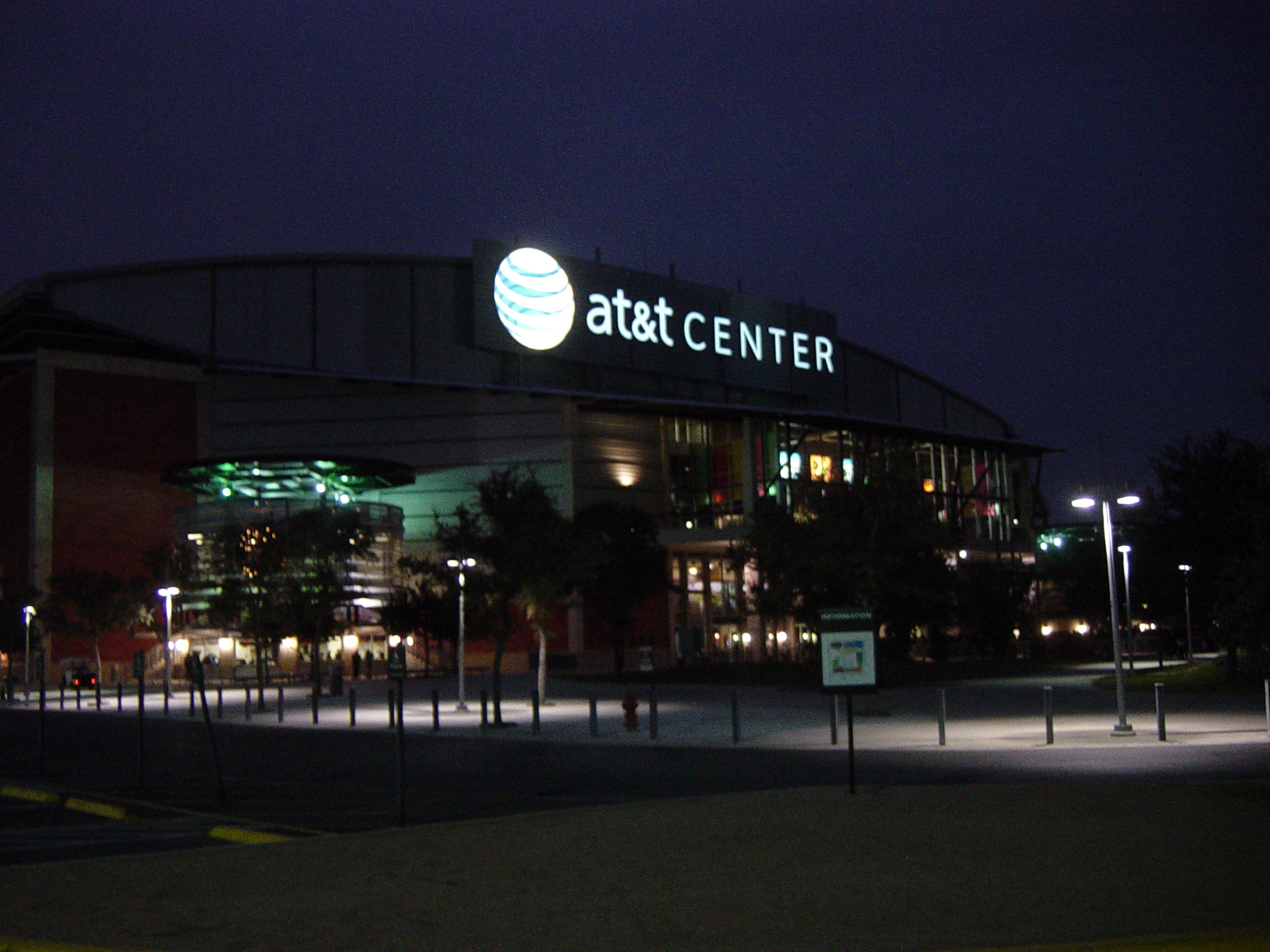
Image credit: Dknights411 · CC BY-SA 3.0 · Wikimedia Commons
Primary source: NBA ↗
Filed under
- San Antonio Spurs
- NBA
- San Antonio sports
- Tim Duncan
- Texas sports
From the magazine
More stories to read next
The Texas Game
Texas High School Football for Newcomers: Why Friday Night Matters
August 7, 2026 · About 10 minutes
The Texas Game
Rodeo 101: A Texan’s Guide to the Events, Rules and Traditions
August 7, 2026 · About 11 minutes